Can You Hit Protein Goals Without Meat?
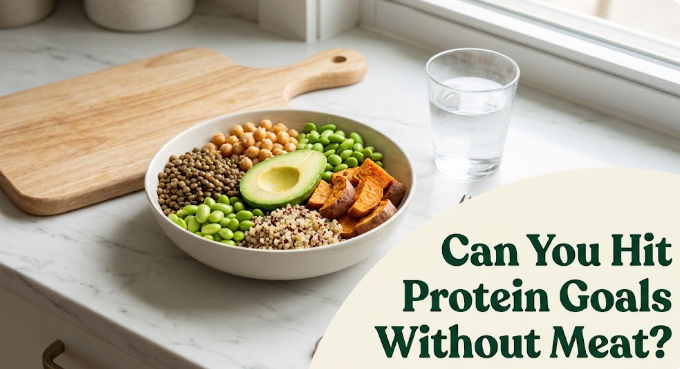
Can You Hit Protein Goals Without Meat?
A lot of people quietly assume the answer is no, and then they build their entire eating pattern around that assumption without ever testing it. That’s the part worth examining first, because the fear is doing more work than the actual math.
1. Where the “not enough protein” fear comes from
Meat is dense, convenient, and easy to measure. A chicken breast tells you almost exactly what you’re getting. Lentils, tofu, and beans require a bit more attention, and that extra step is usually where people give up before they’ve even tried. So the belief sticks around not because it’s been tested and confirmed, but because it’s never really been tested at all.
There’s also a leftover idea from decades-old nutrition science that plant proteins are “incomplete,” missing certain amino acids the body needs. That claim has been walked back for years now, but it still shows up in gym conversations like it’s settled fact. It isn’t. Complete protein intake across a day, not a single meal, is what actually matters for most people building muscle or maintaining it.
2. What “complete protein” actually means in practice
Your body needs nine essential amino acids it can’t produce on its own. Animal proteins contain all nine in each serving, which is why they got labeled “complete” in the first place. Most single plant proteins are lower in one or two of those aminos, but not absent. Rice is a little short on lysine. Beans are a little short on methionine. Put them in the same day, sometimes the same meal, and the gap closes.
This is old news to anyone who grew up eating rice and beans, dal and rice, or hummus and pita. Cultures without heavy meat consumption figured this out generations before amino acid profiles had names. What’s changed recently is that we now have the lab data to confirm what those food pairings were already doing.
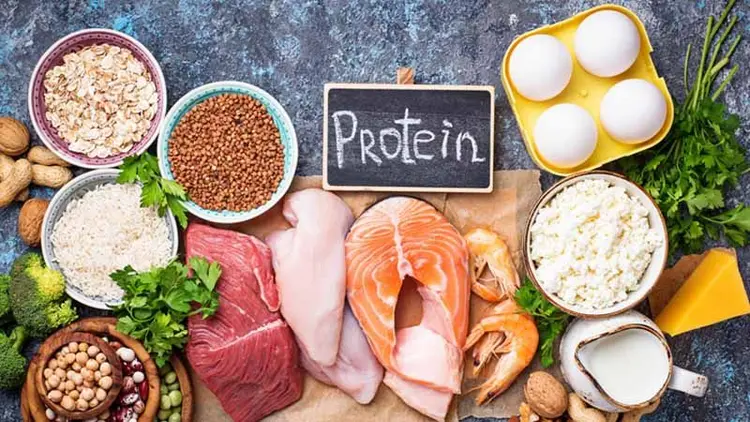
3. Building a day’s worth of protein without meat
Here’s where it gets concrete. A person aiming for something like 100 to 130 grams of protein a day, a common target for someone training regularly, can get there without touching meat. It just takes a bit more intention than opening a package of chicken thighs.
| Food | Serving | Protein (approx.) |
|---|---|---|
| Firm tofu | 1 cup | 20g |
| Lentils, cooked | 1 cup | 18g |
| Greek yogurt (dairy or plant-based, protein-fortified) | 1 cup | 15–20g |
| Edamame | 1 cup | 17g |
| Tempeh | 1 cup | 31g |
| Seitan | 3 oz | 21g |
| Chickpeas, cooked | 1 cup | 15g |
| Protein powder (pea or soy) | 1 scoop | 20–25g |
| Eggs, if not fully plant-based | 2 large | 12g |
Stack three or four of those across a day and the number adds up fast. Tempeh alone at 31 grams a cup is doing more work than most people expect from a plant food. Tofu is more flexible than it gets credit for, since it takes on whatever flavor it’s cooked in.
Anyone coming off a few beginner training mistakes already knows that under-eating protein is one of the quieter reasons progress stalls. Swapping meat out doesn’t have to mean swapping protein down, but it does mean the tracking has to be a little more deliberate for the first few weeks.
4. Where people usually go wrong with the swap
The most common mistake isn’t a nutrition mistake, it’s a math mistake. Someone decides to cut meat, replaces a chicken breast with a small side salad, and wonders three weeks later why their strength numbers dropped and recovery feels slower. They didn’t actually replace the protein. They replaced the meal, and assumed the protein came along with it.
The second mistake is portion blindness with plant proteins. A quarter cup of hummus looks like a serious amount of food on a plate, but it’s only about 5 grams of protein. People eyeball plant foods the way they’d eyeball meat, and the numbers don’t translate the same way. This is exactly the kind of thing that connects to delayed soreness patterns too, since protein intake plays a direct role in how quickly muscle tissue recovers after a hard session.
And there’s a third one, smaller but real: relying on protein bars and shakes as the only strategy. They’re useful, genuinely, but a diet built mostly around processed protein products tends to fall apart on busy weeks when someone forgets to restock. Whole food sources like lentils and tempeh are cheaper, more filling, and don’t depend on a subscription box showing up on time.
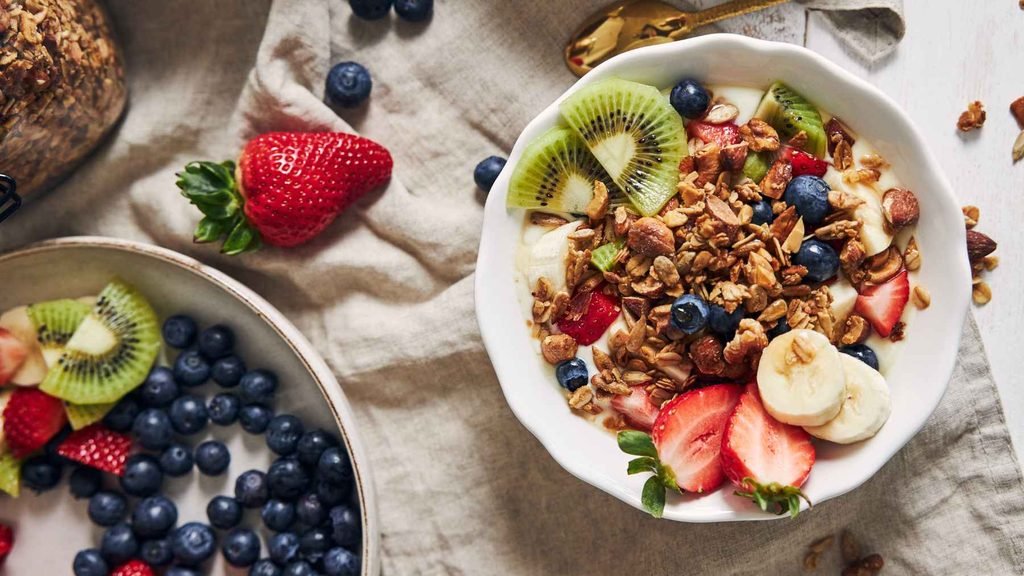
5. What this looks like day to day
A realistic plant-forward day might look like steel-cut oats with a scoop of pea protein and chia seeds for breakfast, a tempeh and rice bowl for lunch, an edamame and hummus snack in the afternoon, and a tofu stir-fry with lentils folded in for dinner. That’s roughly 110 to 120 grams without a single animal product, and without anything exotic or expensive.
None of this requires perfection. Someone who eats mostly plant-based but has eggs twice a week isn’t failing at anything. The goal is hitting a number consistently, not maintaining ideological purity about it.
If someone’s just getting into structured training at the same time they’re cutting meat, it’s worth pairing the diet change with a routine that doesn’t demand equipment they don’t have yet. Trying to overhaul food and training and gym access all in the same month is usually how people burn out and quit both.
It’s also worth zooming out on this one. Populations that eat the least meat and live the longest, the ones studied in longevity research on movement and diet, aren’t hitting bodybuilder-level protein numbers. They’re hitting adequate numbers consistently, for decades, alongside daily movement. That’s a different goal than maximizing muscle gain, but it’s a useful reminder that “enough” protein from plants has kept entire regions of people strong and mobile well into old age.
Fitnessupdates has covered enough beginner nutrition questions to know this one comes up constantly, usually from someone who just watched a video that scared them into thinking plants can’t do the job. They can. It just takes measuring cups instead of guesswork for the first couple of weeks, until the portions become second nature.
FAQs
Do I need to combine plant proteins in the same meal to get all the amino acids? No, that’s outdated advice. Your body pools amino acids across the day, not meal by meal, so eating lentils at lunch and rice at dinner still works fine.
Is pea protein powder as effective as whey? For muscle protein synthesis, research shows pea protein performs close to whey when total daily protein and leucine intake are adequate. The main difference is convenience and taste preference, not effectiveness.
Can I build muscle on a fully plant-based diet? Yes. Plenty of competitive strength athletes train and grow on plant-based diets. It requires more planning around total volume and protein timing, but the biology doesn’t change.
What’s the easiest plant protein to add to an existing diet? Greek-style plant yogurt and edamame are usually the easiest starting points because they don’t require cooking and slot into existing meals without much adjustment.
Will I need to eat more food overall to hit the same protein target? Often yes, slightly. Plant proteins tend to come with more fiber and volume per gram of protein, which is generally a good thing for fullness, but it does mean the plate looks a little bigger.