Nearly Half of Wearable Users Don’t Understand Their Own Data
Nearly Half of Wearable Users Don’t Understand Their Own Data
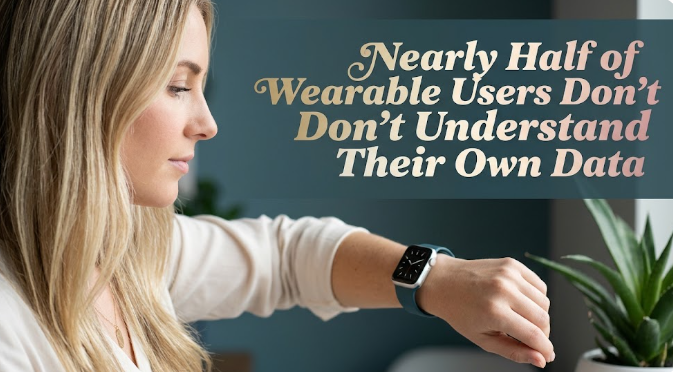
A watch buzzes on someone’s wrist mid-workout, flashes a number, and they glance at it, nod, and keep moving. Most people never ask what that number is actually measuring. They just trust it.
That’s the real problem with fitness wearables right now. Not the hardware, not the battery life, not whether the strap is comfortable. It’s that the devices generate a steady stream of numbers, and a large share of the people wearing them can’t explain what those numbers mean or what to do differently because of them. Ask someone what their “recovery score” is based on, or why their heart rate variability dropped ten points overnight, and you’ll usually get a shrug. Various surveys on wearable adoption over the past few years have landed in roughly the same place: somewhere between a third and half of regular users can’t accurately describe what a core metric on their own device is measuring. That’s not a small gap. That’s most of the people using these things running on faith instead of understanding.
1. What “Not Understanding Your Data” Actually Looks Like
It rarely looks like ignorance. It looks like confidence pointed at the wrong thing.
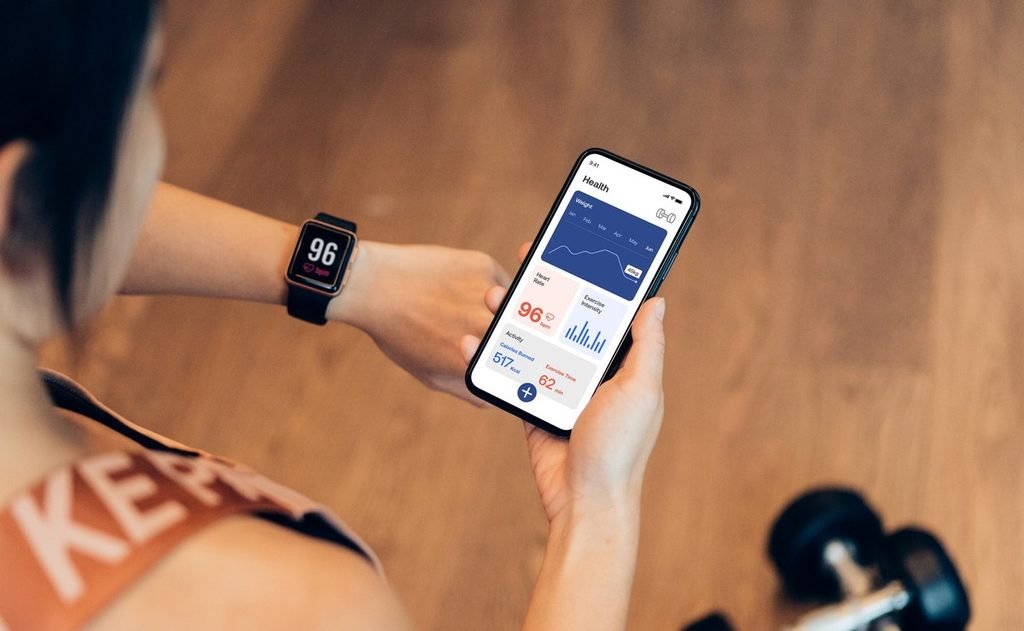
Someone sees “calories burned: 612” after a workout and treats it as a precise, lab-grade number, when it’s really an estimate built on population averages, a few sensors, and a fair amount of guesswork about their individual metabolism. Someone else sees a “readiness score” of 68 and decides to skip the gym entirely, without knowing that score is often just a blend of sleep duration and resting heart rate run through an algorithm the company won’t fully explain. The number feels authoritative because it’s precise. Precision isn’t the same as accuracy, and that distinction gets lost fast when a device presents everything in clean, confident digits.
This shows up constantly in the patterns readers have described after checking out how wearable trackers are reshaping workouts in 2026. People change real behavior, sometimes significantly, based on a metric they’ve never actually looked into. That’s a strange place to be. You wouldn’t take medication based on a dosage number you didn’t understand. Wearable data gets that same blind trust without earning it the same way.
2. Why Wearables Show Numbers Without Context
Manufacturers have a genuine design problem, and it’s worth being fair to them for a second. Cramming an explanation of heart rate variability into a two-inch screen doesn’t work. So companies compress everything into a single score, a color, a ring that closes or doesn’t. Simple, glanceable, done.
The tradeoff is that the simplification strips out exactly the context a person would need to use the number well. A resting heart rate of 58 might be excellent for one person and a sign of overtraining for another, depending on their baseline, their age, their medication, whether they slept in a hotel room the night before. The device doesn’t know any of that. It just knows 58, and it presents 58 the same way regardless of what’s actually going on underneath it.
And this is where a lot of frustration comes from. People assume the device is smarter than it is. It’s collecting data well. It’s interpreting that data narrowly, and often generically, because that’s the only way to build something that works the same for millions of different bodies.
3. Where People Usually Go Wrong
Here’s where things tend to break down in practice, based on patterns that show up again and again.
Mistake one: treating a single bad night’s score as a verdict. One night of poor sleep tanks a readiness score, and someone cancels their whole workout plan for the week. A single data point isn’t a trend. It’s a data point.
Mistake two: comparing their numbers to someone else’s. Two people can run the exact same route at the exact same pace and get different heart rate readings, different calorie estimates, different “effort” scores, because their fitness levels, ages, and even their skin tone (which affects optical sensor accuracy) are different. Comparing raw numbers across people is close to meaningless.
Mistake three: chasing the metric instead of the goal. Someone starts optimizing their day around closing rings or hitting a step count, and loses track of why they wanted to move more in the first place. This connects to something covered in why guilt is a bad reason to exercise — a red ring or a missed goal notification becomes its own source of pressure, disconnected from how the body actually feels.
Mistake four, and this one’s sneaky: ignoring how much sleep tracking interacts with training decisions. A lot of readers who’ve looked into why evening workouts can disrupt sleep and mood don’t realize their device is quietly connecting those two data streams already, they just never open that part of the app to see it.
4. How to Actually Read Your Wearable Data
This doesn’t require becoming a data scientist. It requires slowing down on a few specific things.
Start by learning what your device’s flagship metric is actually built from. Most brands publish a methodology page somewhere, buried three menus deep. It’s worth the five minutes. Once you know a “strain score” is mostly heart rate and duration, and not actual muscular effort, you stop treating it like it sees everything.
Then, look at trends over two to four weeks instead of single days. A resting heart rate that’s been climbing steadily over three weeks tells you something. A resting heart rate that’s five points higher than yesterday tells you almost nothing, that’s just normal daily noise.
Third, cross-reference against how you actually feel. If the device says you’re primed for a hard session but your knees feel stiff and your energy is low, believe your knees. The wearable never made it into the room with you. This is basic, and it gets ignored constantly, and it’s one of the fastest ways to avoid the kind of setback discussed in why shoulder pain gets worse after every single workout — plenty of these injuries build from ignoring the body in favor of trusting a score.
Here’s a quick reference for some of the most common metrics and what they’re really telling you:
| Metric on Screen | What It Actually Measures | What People Usually Assume |
|---|---|---|
| Calories Burned | Rough estimate from heart rate + movement + user-entered weight | An exact, lab-verified number |
| Recovery / Readiness Score | Blend of sleep duration, resting HR, sometimes HRV | A precise medical measurement of fatigue |
| Steps | Wrist or hip motion counted as a step-like pattern | A perfect count of actual steps taken |
| Sleep Stages (deep/REM/light) | Modeled from movement and heart rate, not brain activity | Clinical-grade sleep staging |
| Heart Rate Variability (HRV) | Millisecond variation between heartbeats | A simple “good” or “bad” health score |

5. The Fix Isn’t More Data, It’s More Literacy
The instinct when a metric feels confusing is usually to buy a newer device with more sensors. That rarely solves the actual issue. More sensors just means more numbers a person doesn’t fully understand, layered on top of the ones they already didn’t understand.
fitnessupdates.org hears from readers fairly often who’ve cycled through three or four devices chasing better accuracy, when the accuracy was fine the whole time. What was missing was knowing what to do with the information once it showed up. That’s a different problem, and it’s the one worth actually solving. A cheaper tracker paired with someone who reads their trends over weeks will get better results than an expensive one glanced at daily and never questioned.
None of this means wearables are useless. Far from it. They’ve made patterns visible that used to be invisible entirely, like how a bad night’s sleep quietly wrecks the next day’s workout, or how stress shows up in resting heart rate before it shows up anywhere else. But visibility only helps if someone knows what they’re looking at. Right now, a lot of people are looking at a screen full of numbers and just hoping the device knows best.
It doesn’t. It’s a tool. A genuinely useful one, once you know what it’s actually telling you.
Frequently Asked Questions
Is my wearable’s calorie count accurate enough to plan my meals around? Not precisely, no. It’s a reasonable estimate for spotting trends over time, but treating it as exact enough to build a strict calorie budget around is where a lot of people run into trouble.
Why does my recovery score sometimes disagree with how I actually feel? Because the score is usually built from just a few inputs, mainly sleep and resting heart rate, and doesn’t account for stress, hydration, illness, or how your body genuinely feels that morning. Trust your own read over the algorithm when they conflict.
Should I switch devices if the numbers seem off compared to a friend’s? Probably not. Different sensors, different placement, and different individual physiology all produce different readings even during identical activity. Comparing raw numbers across people usually isn’t a fair comparison to begin with.
How long should I track a metric before trusting a trend? Two to four weeks is a reasonable minimum for most metrics, especially resting heart rate, HRV, and sleep patterns. Anything shorter is more likely to be noise than signal.
Is it worth reading the methodology behind my device’s scores? Yes, genuinely. Most brands publish at least a basic explanation of how their headline metrics are calculated, and understanding it changes how much weight a person gives the number day to day.
A closer look at how these scores get built in the first place is worth a read too, and why wearable trackers are reshaping workouts in 2026 goes further into where this technology is actually headed.