
Why Wearable Trackers Are Reshaping Workouts in 2026
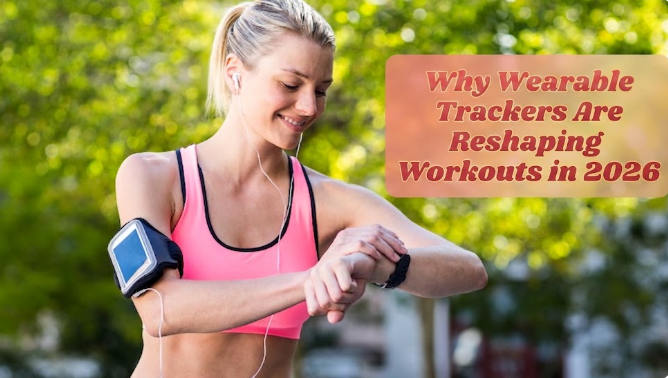
Why Wearable Trackers Are Reshaping Workouts in 2026
Most people still buy a fitness tracker to count steps. That’s not really what it’s doing for them anymore.
The American College of Sports Medicine ranked wearable technology as the top fitness trend for 2026, and the number behind that ranking is worth sitting with: close to half of American adults now own some kind of tracker, and the devices on their wrists or fingers are logging heart rhythm irregularities, skin temperature shifts, and recovery scores, not just distance walked. That’s a different product category than the one people bought five years ago. The hardware changed faster than the habits did, and that gap is where most of the confusion lives.
We hear the same question from readers of fitnessupdates.org over and over: I bought the tracker, now what do I actually do with the numbers. Fair question. The data is only useful if you know which parts of it matter for your specific training, and which parts are just noise dressed up as insight.
- What’s Actually Changed Since the Step-Counter Era
Early trackers did one job. They counted movement and gave you a rough sleep estimate that was often wrong by an hour or more. The 2026 generation of devices is a different animal. Optical sensors have gotten good enough to flag atrial fibrillation, continuous skin temperature tracking can catch the early signs of illness before you feel sick, and recovery scores now factor in heart rate variability alongside sleep stages rather than treating them as separate metrics.
Market researchers tracking the wearables sector have noted a real shift in how these devices get marketed and sold. Regulatory validation and clinical partnerships now influence a much larger share of purchase decisions than they did just a few years ago, roughly double the share compared to 2021. Manufacturers know buyers are asking harder questions about accuracy, and they’re responding with published validation studies instead of vague marketing copy. That’s a genuinely good development for anyone trying to train with real information instead of guesswork.
And the form factor has splintered. It’s no longer just wrist bands. Rings, screenless straps, and smart clothing are all competing for the same wrist real estate that used to belong exclusively to watches.
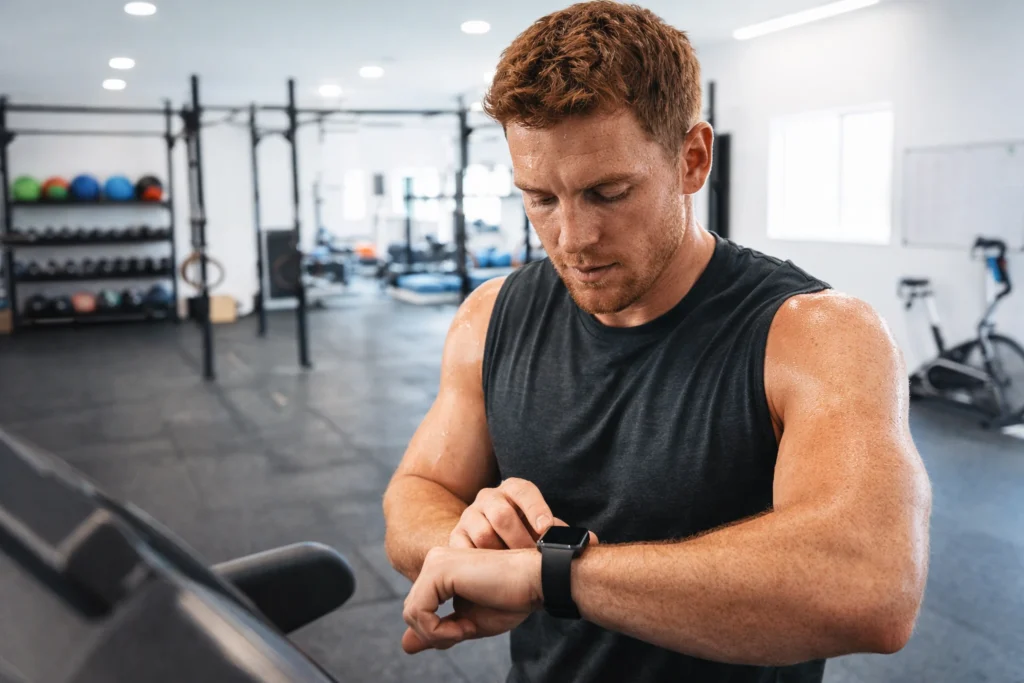
- Where the Data Gets Useful, and Where It Doesn’t
This is the part most articles skip. Not every metric your tracker shows you is equally trustworthy, and treating all of them as equally important is where people get themselves into trouble. If you’ve read our piece on why new gym goers quit so fast, you’ll recognize the pattern: overwhelm kills consistency faster than any single training mistake does, and a dashboard full of scores can create exactly that kind of overwhelm.
Heart rate during structured exercise, for instance, is reliably accurate on modern wrist-based devices during walking, running, and cycling. Ring-based sensors, by contrast, aren’t built for that. Finger placement gives rings a real advantage for overnight and resting data because blood flow there is steadier and the device doesn’t shift around while you sleep. But ask a ring to track your heart rate through a heavy set of deadlifts and the numbers get shaky fast, because grip and wrist motion during lifting introduce exactly the kind of noise these sensors weren’t designed to filter out.
Here’s a simple way to think about which metric to trust for which purpose.
| Metric | Best Tracked By | Reliability During Active Training | Reliability at Rest/Sleep |
|---|---|---|---|
| Heart rate | Smartwatch, chest strap | High | Moderate |
| Heart rate variability (HRV) | Ring, chest strap | Low to moderate | High |
| Sleep staging | Ring | Not applicable | High |
| GPS/pace | Smartwatch | High | Not applicable |
| Skin temperature | Ring, watch | Moderate | High |
| Step count | Any wrist or ring device | Moderate | Not applicable |
If your training is mostly steady-state cardio or lifting, prioritize a device that’s strong in the “active training” column. If you’re chasing better recovery and sleep insight, the ring category tends to win out. A lot of people end up wearing both, which sounds excessive until you realize each device is filling a gap the other one can’t.
- The Mistake Most New Tracker Users Make
People buy the device, get excited about the dashboard, and then let the numbers start making training decisions for them. That’s backwards. A recovery score of 62 doesn’t mean you skip the gym. It means you pay attention to how the session actually feels and maybe swap a heavy squat day for technique work instead of canceling outright.
This mirrors a problem we’ve written about before in 7 workout mistakes that slow beginner progress, where the underlying issue is almost always the same: outsourcing judgment to a number instead of using the number as one input among several. A tracker can tell you your resting heart rate crept up three beats overnight. It can’t tell you whether that’s from a rough training block, a bad night’s sleep from a noisy street, or the beer you had with dinner. Context still has to come from you.
There’s also a subtler trap. People chase a perfect sleep score the way they used to chase a perfect step count, and the anxiety of trying to “win” at sleep tracking can genuinely make sleep worse. If checking your recovery app first thing in the morning is setting the emotional tone for your whole day, that’s worth noticing.
- Picking a Device That Matches What You Actually Do
Buy for your training pattern, not for the feature list on the box. Someone doing structured runs with pace goals needs GPS and real-time heart rate feedback, which points toward a smartwatch or a sport watch. Someone whose main goal is consistency and general health monitoring, without much interest in mile splits, is often better served by a lighter, cheaper band with a battery that lasts weeks instead of days.
A few practical notes worth knowing before you buy:
- Battery life varies enormously by category. Screenless bands and rings can run for a week or more between charges. Full-featured smartwatches with always-on displays often need daily or near-daily charging, and that gap creates data holes exactly when consistency matters most.
- GPS is common on smartwatches, occasionally available on bands, and essentially absent from rings. If outdoor route tracking matters to your training, that narrows the field fast.
- Subscription costs add up. Several major platforms now gate their most useful coaching features behind a monthly fee, so check that before comparing sticker prices.
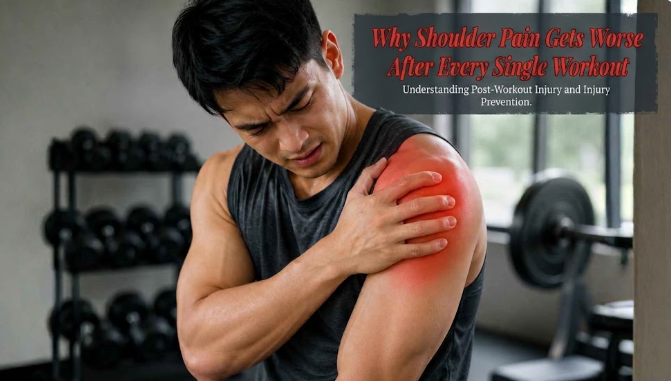
If shoulder issues are part of your training picture, a wrist-based device with a bulky case can occasionally aggravate discomfort during certain movements, similar to the pattern discussed in why shoulder pain gets worse after every single workout. Worth testing before committing to a device you’ll wear daily.

- What This Actually Means for How You Train
The honest answer is that a tracker won’t make you fitter. It removes some of the guesswork around recovery and intensity, which matters most for people training hard enough, often enough, that overtraining is a real risk. For someone doing three moderate sessions a week, the marginal benefit of a $400 device with medical-grade sensors is smaller than the marketing suggests.
Where these devices earn their keep is in pattern recognition over weeks and months, not in any single day’s number. A resting heart rate trending upward over three weeks is worth paying attention to. A resting heart rate that’s five points higher than yesterday, on its own, usually isn’t. Fitnessupdates.org readers who get the most out of their trackers tend to be the ones checking trends monthly, not obsessing over the daily readout.
If you’re still deciding whether a structured warm-up matters enough to bother with before you even think about tracking your workout data, our piece on is skipping a warm-up ever actually okay is worth a read first. Data means very little if the training underneath it is inconsistent.
Common Mistakes to Watch For
- Treating a single bad recovery score as a reason to abandon a training block entirely, rather than adjusting intensity.
- Buying a ring for active workout tracking, then being confused when heart rate numbers look off during a lifting session.
- Ignoring battery habits, then losing weeks of sleep data because the device died overnight, repeatedly.
- Comparing your recovery score to a friend’s, as if the numbers are standardized across bodies the way a stopwatch is.
The devices are genuinely better than they used to be. The way people use them hasn’t caught up yet, and that’s really the whole story here.
Frequently Asked Questions
Do I need both a ring and a watch, or is that overkill? Not overkill if your goals genuinely span both categories, active training feedback and passive recovery tracking. Most casual exercisers do fine with one device matched to their primary need.
How accurate is the sleep data on a smartwatch compared to a ring? Rings generally outperform wrist-worn devices for sleep staging because the finger sensor stays in consistent contact with skin all night, while a watch can shift position. The gap has narrowed but hasn’t closed.
Can a tracker actually detect a heart problem before I notice symptoms? Some devices can flag irregular rhythms like atrial fibrillation, which is genuinely useful, but they’re not diagnostic tools. Any alert like that should go to a doctor, not into a training log.
My recovery score tanked after one bad night of sleep. Should I skip the gym? Usually not. One rough night is normal variance. Watch for a multi-day downward trend before making training decisions off it.
Is it worth paying for the subscription tier on these apps? Depends on whether the paid coaching features actually change your behavior. If you’d ignore the recommendations anyway, the free tier’s raw data is often enough.
If you’re comparing training approaches more broadly, our breakdown of home workouts vs gym training covers a lot of the same “which tool actually fits your routine” ground that applies here too.




5 Comments