FitnessUpdates Breaks Down 2026 Trends
FitnessUpdates Breaks Down 2026 Trends
Wearable tech has topped fitness trend lists so many times now that most people skim right past it. That’s actually the mistake to avoid this year, because what changed underneath that same headline is more interesting than the ranking itself.
The American College of Sports Medicine has run its Worldwide Fitness Trends survey for twenty years now, asking thousands of clinicians, researchers, and working trainers what they’re actually seeing on the floor. For 2026, wearable technology took the top spot again. But the reason it’s there has shifted. It’s no longer about counting steps. It’s about what the device does with everything else it’s quietly measuring.
That shift shows up across almost every major trend this year. Less flash, more data. Less “new workout everyone’s doing” and more “the same fundamentals, tracked and adjusted more carefully than before.” Here’s what’s actually driving the numbers, and where people tend to get it wrong.
1. Wearables Won Again, But the Metric Changed
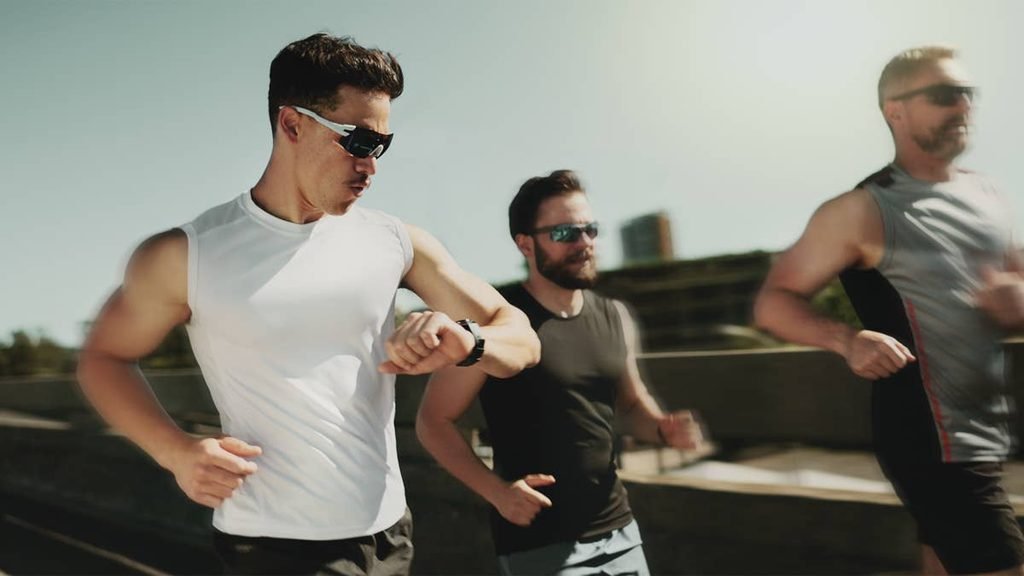
A smartwatch in 2020 told you your step count and maybe your resting heart rate. The devices dominating 2026 track heart rate variability, sleep architecture, skin temperature, and recovery scores, then feed that back into training recommendations in something close to real time.
That’s a meaningful jump. HRV in particular has become a genuinely useful signal for whether someone is ready to push hard or should back off, something that used to require a lab and now sits on a wrist. We’ve written before about how wearable trackers are reshaping workouts in 2026, and the short version is that the gap between “gym gadget” and “genuine training tool” has mostly closed.
The catch is that a wearable only helps if someone changes behavior based on what it shows them. Plenty of people buy the device, glance at the score, and train exactly the same way regardless. The data is only as good as the decision it changes.
2. “Weight Loss” Got Renamed, and It Wasn’t Just Branding
ACSM’s third-ranked trend for 2026 used to be called weight loss. It’s now called exercise for weight management, and the change reflects something real happening in the field, not a marketing refresh. The category now covers loss, maintenance, and in some cases intentional weight gain, which matters as more people arrive at gyms already managing their weight through GLP-1 medications and need training programs built around preserving muscle rather than just burning calories.
That’s a genuinely different coaching problem than “help this person lose twenty pounds.” It asks trainers to think about body composition, not just the number on the scale. We touched on the naming shift directly in this piece on how weight loss was renamed in 2026, and it’s worth reading if you’ve noticed your own goals don’t fit neatly into the old framing anymore.
3. Walking Had a Bigger Year Than Almost Anyone Predicted
Strava’s year-end data put walking as the second most popular tracked activity of 2025, trailing only running. Interval-style walking, often labeled Japanese walking online, saw search interest climb by nearly 3,000 percent, and it’s not actually new. The method traces back to a 2007 study out of Shinshu University in Japan, built around alternating three minutes of brisk walking with three minutes at a slower pace.
The appeal is obvious once you see it. No equipment, no gym membership, and a format simple enough that people who bounce off structured workouts will actually stick with it. That’s part of a broader pattern we’ve noticed at FitnessUpdates all year: the trends gaining the most ground aren’t the ones requiring the most gear. They’re the ones asking the least of a person on a bad week.
This is also where a common mistake shows up. People treat interval walking as a fad they’ll drop in a month, do it once at a flat, unvaried pace, and then conclude it doesn’t work. The whole mechanism depends on the interval, the shift between effort levels. Skip that and you’ve just gone for a regular walk, which is fine, but it’s not the same thing and won’t produce the same results.
4. Recovery Stopped Being Treated as a Break From Training
Mobility and recovery work climbed the ACSM list again this year, and the framing behind it has changed too. It’s no longer positioned as something you do when training goes wrong. It’s positioned as part of the training itself, tracked with the same seriousness as a lifting session.
This lines up with what we’ve covered in why rest days feel harder than workouts: a lot of people struggle more with sitting still than with pushing hard, and 2026’s data-driven approach to recovery is partly a response to that. If a wearable can show someone their HRV actually dropped after three straight training days, “just rest” stops being a vague suggestion and becomes a specific, evidence-backed instruction. And if you’ve ever wondered whether doing nothing on a scheduled rest day is genuinely fine, we dug into that question directly, because the anxious feeling of “should I be doing something” is more common than most people admit.
Quick Reference: What Moved and Why
| 2026 Trend | What Changed From Before | Who It Matters Most For |
|---|---|---|
| Wearable technology | Now tracks HRV, sleep, recovery, not just steps | Anyone training with any consistency |
| Exercise for weight management | Renamed from weight loss to cover a broader range of goals | People managing weight alongside GLP-1 medication or muscle preservation |
| Interval-style walking | Old research method, new mainstream attention via social media | Beginners and anyone avoiding structured workouts |
| Recovery and mobility | Treated as trainable and trackable, not just “taking it easy” | People who overtrain or feel guilty resting |
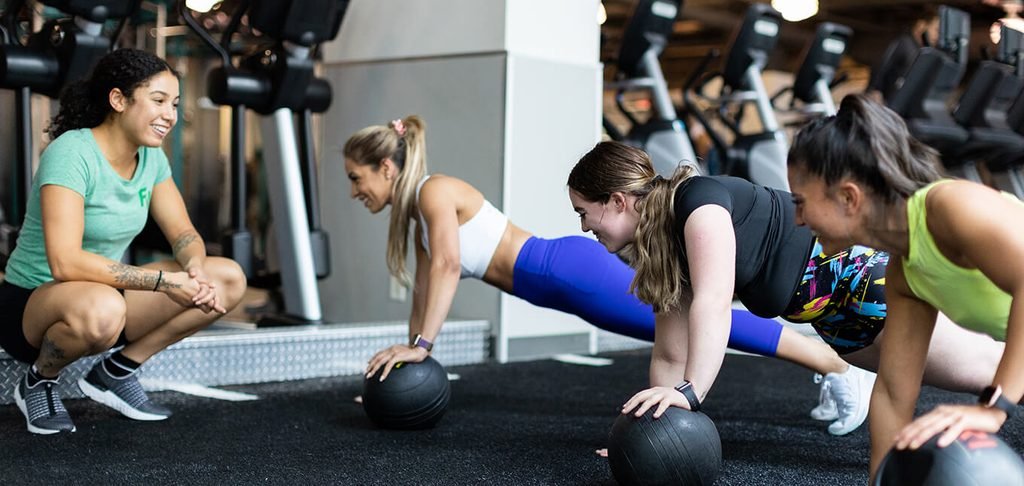
| Community-based training | Small group formats replacing solo gym sessions | Anyone whose consistency drops when training alone |
5. The Mistake Almost Everyone Makes With Trend Lists
People read a trends report looking for the one new thing to try. That’s backwards this year. Nearly every trend on the 2026 list is a refinement of something that already works, tracked better, explained better, or offered in a format that’s easier to sustain. The wearable isn’t a new workout. The renamed weight management category isn’t a new diet. Interval walking isn’t a new discovery.
What’s changed is precision. And that’s genuinely good news, because it means you don’t need to overhaul your routine to benefit from most of this. You need to pay closer attention to the parts you already have. If you’re newer to training altogether and still building the basics, it’s worth starting with fundamentals like why new gym goers quit so fast before layering trend-chasing on top of a routine that hasn’t stuck yet.
If there’s one thing worth taking from all of this, it’s that 2026 rewards people willing to actually look at their own data and adjust, rather than people chasing whatever workout is loudest online this month. The trend that will outlast this year isn’t a specific device or method. It’s the shift toward training based on what your body is actually telling you.
Frequently Asked Questions
Is a wearable actually worth buying in 2026, or is it hype? It depends entirely on whether you’ll act on the data. If you’re the type to check a recovery score and genuinely back off a hard session when it’s low, a wearable earns its cost fast. If you’ll glance at the number and train the same way regardless, save the money.
Why did ACSM rename “weight loss” to “weight management”? The category broadened to reflect that people now come to exercise with a wider range of goals, including maintaining weight, preserving muscle while losing fat, and in some cases gaining weight, especially as more people combine training with medical weight management.
Is Japanese walking actually different from a regular walk? Yes, and the difference is the interval structure. Alternating three minutes of brisk walking with three minutes at an easier pace creates a cardiovascular demand that steady, flat-pace walking doesn’t, which is part of why the research behind it has held up.
Do I need a full rest day every week, or is that outdated advice? Most people still benefit from at least one true rest day, but 2026’s approach treats recovery as something to measure rather than guess at. If your resting heart rate or HRV is noticeably off from your baseline, that’s a better signal to rest than a fixed weekly schedule.
If I only make one change based on 2026’s trends, what should it be? Start tracking something, even informally, whether that’s sleep, resting heart rate, or how workouts feel day to day, and let it actually influence your training decisions. That single habit connects almost every trend on this year’s list.