Pickleball Clubs Are Reviving Group Fitness
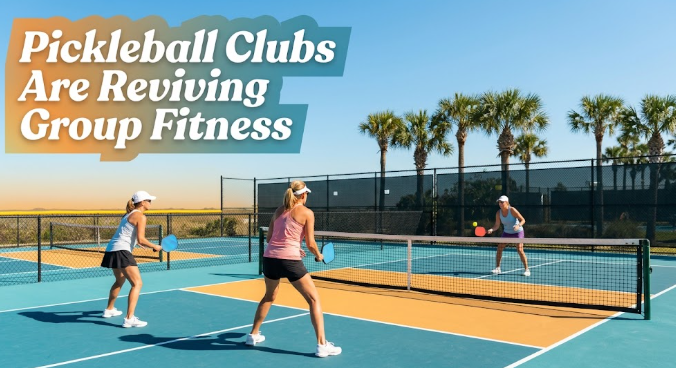
Pickleball Clubs Are Reviving Group Fitness
Group fitness attendance has been sliding for a while now. Court time for pickleball, meanwhile, keeps getting harder to book. I’ve watched this shift happen inside gym after gym over the past couple of years, and it isn’t really about pickleball being a smarter sport than spin or bootcamp. It’s about clubs finally offering something group fitness quietly stopped delivering somewhere along the way: a reason to show up on the days you genuinely don’t feel like working out.
I’ve spent close to thirty years building training floors and watching how people actually use them, first as a personal trainer, then building Escape Fitness from a startup into a brand operating across several continents. The pattern with pickleball right now looks a lot like the early strength training boom I watched two decades ago. A format gets popular because it solves a problem the fitness industry had stopped taking seriously. People don’t usually quit because the workout wasn’t hard enough. They quit because nobody would notice if they didn’t show up.
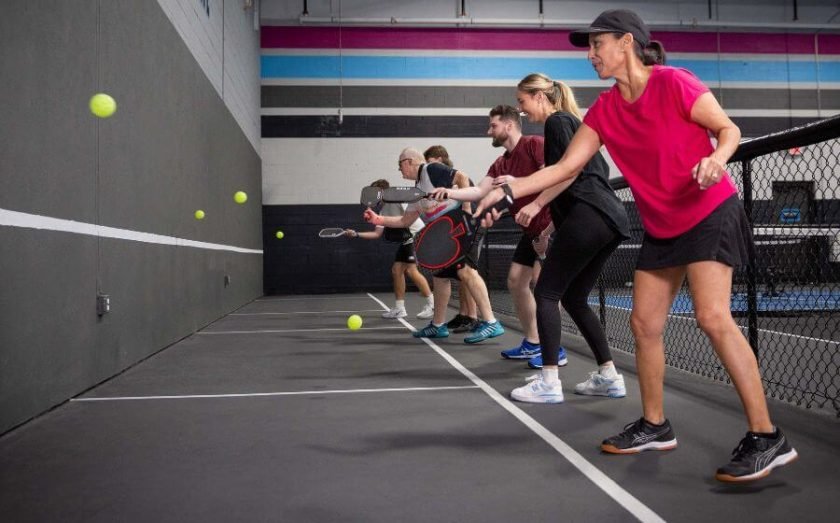
1. Why Pickleball Is Filling the Gap Group Fitness Left Open
Group fitness classes used to run on the same social glue pickleball runs on now. Show up, see familiar faces, get pushed a little by the people around you, leave feeling like you did something. Somewhere in the last decade, a lot of that got engineered out. Classes got shorter, more instructor-led, more about individual performance metrics on a screen than about the person next to you.
Pickleball puts the social contract back in the middle of the workout instead of at the edges. You need a partner. You need an opponent. The game is unplayable alone, which sounds like a limitation until you realize that’s exactly the design flaw group fitness has been trying and failing to fix with leaderboard apps and community challenges.
There’s also the skill curve, and this part gets underrated. A beginner can rally within fifteen minutes. That’s rare in fitness. Most beginner group classes still ask someone new to keep pace with people who’ve been doing it for years, and the gap in confidence shows up fast. fitnessupdates.org has covered this exact problem before in why new gym goers quit so fast, and pickleball sidesteps it almost by accident. Low barrier to a first good experience, high ceiling for people who want to chase it further.
2. Where Clubs Get the Pickleball Pivot Wrong
Here’s where I see clubs go sideways almost every time. They treat pickleball as a facility add-on instead of a program. Paint some lines on an underused basketball court, buy a rack of paddles, call it done. Court usage climbs for about six weeks. Then it flattens, because nobody built anything that turns “I tried it once” into “this is part of my week.”
The clubs doing this well are running it like they’d run any retention program. Beginner clinics tied directly into new member onboarding, not bolted on as a separate paid add-on. Ladder leagues with real standings, because people who’d never sign up for a fitness challenge will absolutely show up to defend a ranking. And staff who actually know the sport well enough to referee a dispute about a kitchen violation, which happens more often than you’d think.
The mistake that costs clubs the most, though, is assuming pickleball members don’t need the rest of the facility. They do. A member who plays twice a week and never touches a weight rack is still a member worth keeping, but the clubs seeing the biggest lift are the ones cross-programming, building mobility and strength sessions specifically around what a pickleball body needs. Shoulders, hips, lateral movement. That’s a different training emphasis than most group fitness programming assumes, and clubs that ignore it end up watching their new pickleball crowd get hurt or plateau within a season.
3. The Business Case: Retention Beats Court Rentals
Court rental revenue is the easy number to chase and the wrong one to optimize for. The real value shows up in retention data, and it isn’t close.
| Traditional Group Fitness Class | Pickleball Program | |
|---|---|---|
| Social bond formed | Moderate, instructor-led | High, built into gameplay itself |
| Time to first “good” experience | Weeks, depends on fitness level | Often a single session |
| Skill progression path | Limited without private coaching | Natural, built into competitive play |
| Equipment cost to launch | Low to moderate | Low, court space is the real constraint |
| Typical retention impact | Steady but declining industry-wide | Strong, especially with league structure |
None of this means group fitness is dying. It means the format needs the same honest look pickleball just got, which is something we went deeper on in a related piece on fitnessupdates.org, home workouts vs. gym training: which one wins. The clubs winning right now aren’t choosing one over the other. They’re using pickleball as the front door and group fitness as the room people walk into once they’re already committed to showing up.
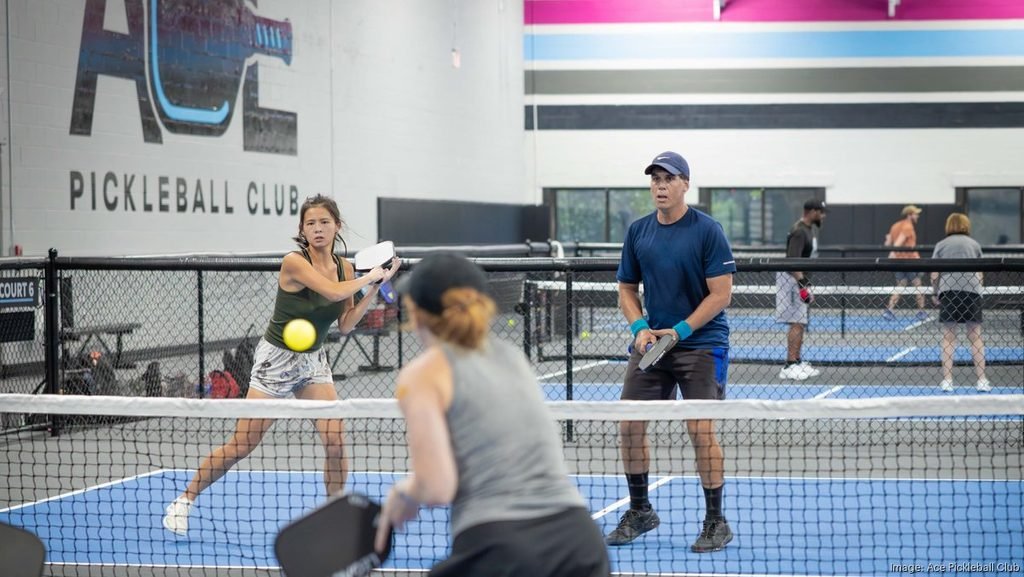
4. Building a Program That Actually Sticks
Start with what you already have before building anything new. Most clubs sit on underused court space, badminton lines nobody uses, half a gymnasium booked for youth leagues twice a week. That’s your pilot.
A few things separate programs that last from programs that fade after a season:
- Run beginner clinics weekly, not monthly. Momentum dies in the gaps.
- Build a ladder or round-robin structure with visible standings. People show up for rankings even when they’d skip a plain workout.
- Pair every pickleball offering with a mobility or strength session aimed at the shoulders and hips specifically. This is where injuries show up first, and getting ahead of it is an easy retention win.
- Staff at least one court session a week with someone who can actually coach technique, not just referee.
And don’t overbuild before you know demand is real. Operators I’ve talked to on the Escape Your Limits podcast have made the mistake of converting an entire court before running a single clinic, then spending a year trying to fill it. Test small. Let the league structure and word of mouth tell you when it’s time to expand.
One thing worth mentioning, slightly off the main point but connected to it: the noise complaints are real. Pickleball is louder than most sports its size suggests, and clubs building outdoor or open-plan courts near quiet zones or office space have learned this the expensive way, after the courts were already built. Worth checking before you commit to a layout, not after.
If your club already has open court time and a folding net gathering dust in a storage closet, that’s your test group. Start there before building anything bigger.
FAQs
Do we need dedicated courts, or can we convert existing space? Most clubs start by converting underused space, gymnasium floors, tennis courts with temporary lines, even parking areas with portable nets. Dedicated courts make sense once demand is proven, not before.
How much does it cost to add pickleball to an existing club? A basic conversion with portable nets and taped lines can run a few hundred dollars per court. Costs climb quickly once you move to permanent outdoor courts or dedicated indoor space, so most operators pilot cheap first.
Is pickleball actually good exercise, or is it overhyped? It’s genuinely solid for cardiovascular health and lateral movement, though intensity varies a lot by skill level and how competitively it’s played. It isn’t a replacement for structured strength training, which is why pairing it with mobility and strength programming matters.
What age group is driving the growth? It skews older than most people assume from the marketing, but the fastest growth in club settings right now is actually among adults in their thirties and forties looking for something social that doesn’t feel like a workout.
Should pickleball replace group fitness classes at our club? No, and clubs that try this usually regret it. The two formats solve different problems. Pickleball builds the social habit, while group fitness and strength programming build the physical foundation that keeps people playing without getting hurt.
For clubs still weighing where pickleball fits against their existing group fitness lineup, the tradeoffs get covered in more depth in why pickleball is beating the gym for busy adults, also on fitnessupdates.org.