
Home Workouts vs Gym Training: Which One Wins
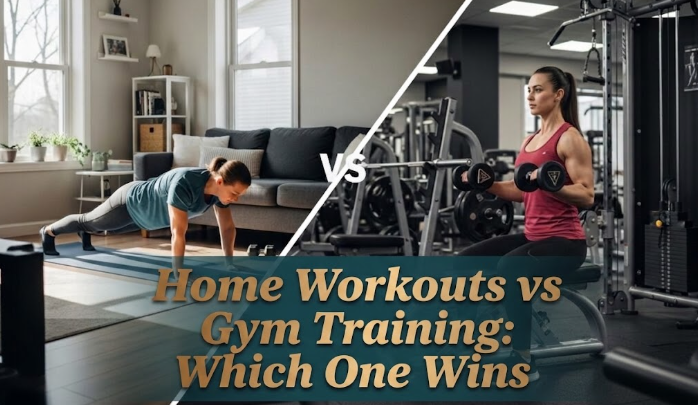
Home Workouts vs Gym Training: Which One Wins
Neither one wins outright, and anyone telling you otherwise is usually selling something. I say that as someone who has spent close to three decades on the equipment side of this industry, building strength and functional training gear for both commercial gyms and home setups. The honest answer is that the two environments solve different problems, and most people asking “which is better” are really asking a different question without realizing it.
At Fitness Updates, we get versions of this question constantly, especially from readers who just moved, changed jobs, or are staring at a garage wondering if it’s worth converting into a training space. So let’s actually break this down instead of picking a side for the sake of a tidy headline.
1. What Changes When You Train at Home Instead of a Commercial Gym
The equipment gap between home and gym has shrunk more than most people realize. A decade ago, a home setup meant a few dumbbells and maybe a resistance band. Now you can build a legitimate strength training space in a two-car garage for what a lot of people spend on a single year of a premium gym membership. That said, the things that actually change aren’t always about the equipment. They’re about structure.
| Factor | Home Training | Gym Training |
|---|---|---|
| Upfront cost | Higher initial spend, no recurring fee | Lower entry cost, ongoing membership |
| Equipment variety | Limited by space and budget | Wide range, less planning needed |
| Time efficiency | No commute, train on your schedule | Fixed hours, travel time added |
| Accountability | Self-driven, easy to skip sessions | Social pressure, scheduled classes |
| Coaching access | Requires seeking it out separately | Often available on-site |
| Consistency long-term | Depends heavily on discipline | Depends heavily on convenience |
None of this is a knock on either option. It’s just what actually shifts when the walls around you change.

2. Where People Get This Comparison Wrong
The most common mistake I see, and I mean constantly, is people assuming the environment is the reason they’re not making progress. Someone will tell me their home workouts “aren’t working” and when you dig into it, the real issue is they’re doing the same three exercises with no progression plan. Swap that same person into a commercial gym with fifty machines and they’d likely hit the same wall, just with more equipment to distract them from it.
And this cuts the other way too. People join gyms assuming the environment alone will fix inconsistency, then stop going within eight weeks because the friction of getting there was never actually solved by having more equipment available. A gym membership doesn’t build a habit. A habit builds a habit.
Here’s where the confusion usually starts: people compare a well-run home program to a poorly attended gym membership, or a perfectly consistent gym routine to a home setup that never got planned properly. That’s not a fair fight in either direction, and it’s the comparison most people are actually making without realizing it.
3. What the Equipment Difference Actually Means for Results
I’ll be direct here because this is the part of the industry I know best. For general strength, hypertrophy, and most functional training goals, you do not need a fully loaded gym. A barbell, a rack, an adjustable bench, and a set of dumbbells covers the vast majority of programs that produce real results. What you lose at home is variety and, for many people, the specialized equipment used in late-stage strength programming, things like specific cable setups or heavy machine-based accessory work.
What you gain is control over your training environment. No waiting for a squat rack. No adjusting your session because someone’s doing curls in the power rack. Anyone who has trained seriously in a busy commercial gym knows that friction is real, and it costs more sessions than people admit.
The tradeoff isn’t equipment quality anymore in most cases. It’s variety versus control. Decide which one actually limits your specific goals before deciding which one “wins.”
4. Building a Program That Actually Works, Wherever You Train
This is the part people skip. A location doesn’t create a program. You do, or a coach does it for you, and either way the environment is secondary to having an actual plan with progression built in.
If you’re training at home, the priority is buying fewer things but the right things. A power rack, an adjustable bench, a barbell with real plates, and a set of dumbbells that goes heavy enough to matter will outperform a garage full of accessories every time. If you’re training at a gym, the priority flips. Learn the equipment layout, build a routine around peak and off-peak hours, and stop wasting the first fifteen minutes of every session deciding what to do.
Track your sessions regardless of where you train. This sounds obvious and it’s the single most skipped step I see, in home setups especially, because there’s no trainer standing there asking what you did last week.
One more thing worth saying plainly: the people who get the best results long-term usually aren’t the ones with access to the most equipment. They’re the ones who show up on the days they don’t feel like it. That part doesn’t change based on your zip code or your gym membership.
If nutrition is part of what’s holding your results back rather than the training environment itself, our nutrition and diet coverage digs into that separately, since it’s often the bigger lever than people expect.

Where This Actually Lands
If I had to give a straight answer, and readers usually want one even when I’ve just spent four sections explaining why it’s not that simple, I’d say this. Home training wins on consistency for people whose biggest obstacle is time or motivation to leave the house. Gym training wins on variety and structure for people whose biggest obstacle is knowing what to do once they get there. Most people are a mix of both, which is honestly the more common situation than either extreme.
Building programs and equipment for both environments for this long has taught me that the fight over which one is “better” is mostly a distraction from the actual variable that matters, which is whether someone sticks with it long enough to see change. Pick the one you’ll actually keep showing up to. That’s not a compromise answer. It’s the entire game.
For readers weighing this against a broader fitness plan, our fitness and workout section has more on building routines that fit real schedules, and if weight management is part of the goal, the weight loss tips section covers how training environment factors into that specifically. There’s also a mental side to consistency that gets overlooked, which our mental and lifestyle health coverage addresses in more depth.
Buy the rack. Or don’t, and get the membership instead. Just stop letting the decision itself be the thing that delays you from starting.
FAQs
Do I need a squat rack at home to get real strength gains? Not strictly, but it opens up the most effective lower body and pressing movements without needing a spotter. If budget allows for one piece of serious equipment, this is usually it.
Is a $30 a month gym membership actually worth it compared to buying equipment? Over a year that’s roughly $360, which buys a solid adjustable bench and a modest set of dumbbells. The math favors home equipment fairly quickly if you’re consistent, but a cheap membership can still make sense if you value variety or coaching access over ownership.
Can I build real muscle with just dumbbells at home? Yes, particularly in the first one to two years of training. Progression matters more than equipment type at that stage. Once you’re pushing heavier loads consistently, a barbell setup becomes more efficient.
How do I stay motivated training alone at home? Scheduling sessions like fixed appointments, not flexible “whenever I get to it” blocks, tends to work better than relying on motivation itself. Some people also do better with a training partner or a coach checking in remotely, even without a gym involved.
What’s the minimum home setup that actually covers most training goals? A power rack, adjustable bench, barbell with plates, and a moderate set of adjustable dumbbells. That combination covers the majority of strength and hypertrophy programming most people will ever need.



2 Comments