
How Much Protein Do You Need Daily?
How Much Protein Do You Need Daily?
“Eat more protein” is the most repeated piece of fitness advice on the internet, and it’s also one of the least useful. More than what? Measured how? Compared to your current intake, or to some number a supplement company printed on a tub? Nobody tells you the actual math, so people either overcorrect and choke down chicken breast at every meal, or they hear the advice, nod, and change nothing.
Here’s the math, without the sales pitch attached to it.
1. Why “eat more protein” isn’t real advice
Protein needs aren’t a single number. They shift based on body weight, activity level, age, and what you’re actually training for. A sedentary office worker and a powerlifter training four days a week are not the same person nutritionally, even if they weigh the same. Treating protein like a flat target that applies to everyone is where most of the confusion starts.
The research baseline, the RDA of 0.8 grams per kilogram of body weight, was built to prevent deficiency in a mostly inactive population. It’s a floor, not a target for anyone doing regular resistance training. That distinction alone clears up a lot of the arguments you’ll see in comment sections.
2. How much protein actually works out to, in grams
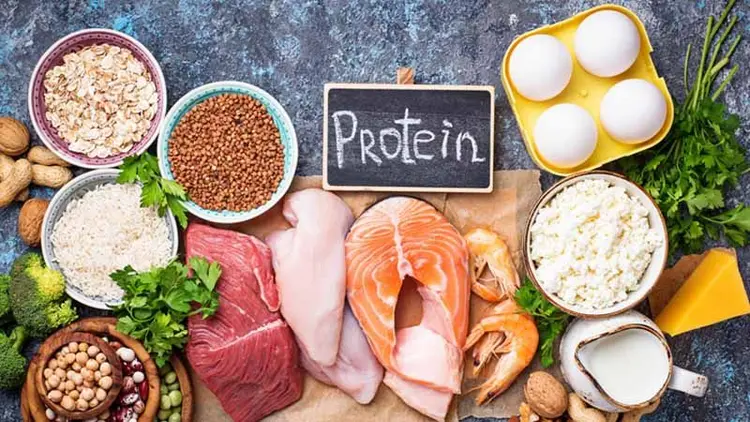
For most people who train regularly, somewhere between 1.6 and 2.2 grams of protein per kilogram of body weight per day covers it. In pounds, that’s roughly 0.7 to 1.0 gram per pound. Athletes in a heavy cutting phase sometimes push toward the higher end to protect muscle while eating in a deficit, but going meaningfully past 2.2 g/kg doesn’t add much extra benefit for most lifters. It’s not harmful for a healthy person with normal kidney function, it’s just not doing the extra work people assume it is.
| Activity level | Grams per kg bodyweight | Example (70kg / 154lb person) |
|---|---|---|
| Mostly sedentary | 0.8 – 1.0 g/kg | 56 – 70g |
| Light training, 1-2x/week | 1.2 – 1.6 g/kg | 84 – 112g |
| Regular resistance training | 1.6 – 2.0 g/kg | 112 – 140g |
| Cutting phase or heavy strength focus | 2.0 – 2.2 g/kg | 140 – 154g |
Anyone who’s spent time at a gym desk has watched a beginner start a program and quietly abandon it a few weeks in, and undereating protein while training hard is one of the quieter reasons why. If you’re just getting started and wondering why the first few weeks feel harder than they should, that pattern shows up a lot in why new gym goers quit so fast.
3. Where people get the math wrong
Two mistakes show up constantly, and they’re worth naming directly.
The first is calculating protein needs off a goal weight instead of current weight. Someone who weighs 200 pounds and wants to get to 170 will sometimes plan their protein intake around the 170 number. That’s backwards. Your body is doing the work of maintaining and building muscle at your current mass, so that’s the number the math should start from.
The second mistake is bigger and more common: people count protein sources that barely qualify. A slice of bread has around 3-4 grams. A cup of rice has about 4-5. These aren’t nothing, but stacking a day around bread, pasta, and the occasional egg leaves most people 40-60 grams short of target and confused about why they still feel flat in the gym. This is one of those spots where people mean well and just haven’t done the actual arithmetic.
And here’s where it gets a little uncomfortable to admit. Even people who work in fitness get this wrong sometimes, tracking loosely for a week, feeling good about it, and then realizing on closer inspection they were closer to 90 grams than the 140 they assumed. It happens. The fix isn’t complicated, it’s just tedious to track for a week or two until the portion sizes become intuitive.
4. Protein timing and distribution across the day
Total daily intake matters more than timing, but distribution isn’t irrelevant either. Muscle protein synthesis responds better to protein spread across three or four meals than to the same total amount crammed into one large dinner. A rough target of 25-40 grams per meal, depending on body size, tends to work better than a huge 80-gram serving at 7pm and nothing else all day.
This matters more for people training seriously than for someone doing light cardio a couple times a week. If your training is closer to casual movement, something like a walk-based routine or pickleball instead of the gym, the timing details matter a lot less than just hitting your total for the day.
Post-workout protein doesn’t need to happen in some mythical 30-minute window either. That idea got stretched way past what the research actually supports. Eating a solid protein source within a few hours of training is plenty, and honestly, if your muscles are sore two days after a session, protein timing wasn’t the variable that mattered most. That delayed soreness is a separate, normal phenomenon, and it’s covered in more depth in why muscle soreness sometimes peaks two days later.

5. What this actually looks like on a normal day
Forget the theory for a second. For a 75kg (165lb) person training four times a week, a target of about 135-150 grams might look like this:
- Breakfast: 3 eggs plus Greek yogurt, roughly 35g
- Lunch: chicken breast or a plant-based equivalent with rice and vegetables, roughly 40g
- Post-workout snack: protein shake, roughly 25g
- Dinner: salmon or lean beef with a side, roughly 40g
That’s already around 140 grams without anything exotic on the plate, no powders required beyond the one shake, no meal prep religion needed. Protein powder is a convenience tool, not a requirement. It’s genuinely useful for people who struggle to hit numbers through food alone or who need something fast between meetings, but whole food can get you there for most people without much trouble.
If you’re rebuilding your routine from scratch and protein is only one piece of a bigger puzzle, it’s worth looking at the full picture rather than optimizing one macro in isolation. How to build a full beginner routine without gym equipment covers the training side of that same rebuild.
At fitnessupdates.org, this is one of the questions readers ask most, right behind “how many days a week should I train.” The two are related more than people expect. Protein intake without a training stimulus doesn’t build much of anything, and training without adequate protein leaves gains on the table. They’re a pair, not separate boxes to check.
One thing worth mentioning before wrapping up: protein needs during a genuine calorie deficit deserve their own separate conversation, because appetite changes, food choices shift, and the numbers above need slight adjustment. That’s a topic for another piece.
FAQs
Can you eat too much protein? For a healthy adult with normal kidney function, no credible research shows harm from high protein intake within the ranges discussed here. The main downside is opportunity cost, protein calories replacing carbs or fats your training might actually need more of that day.
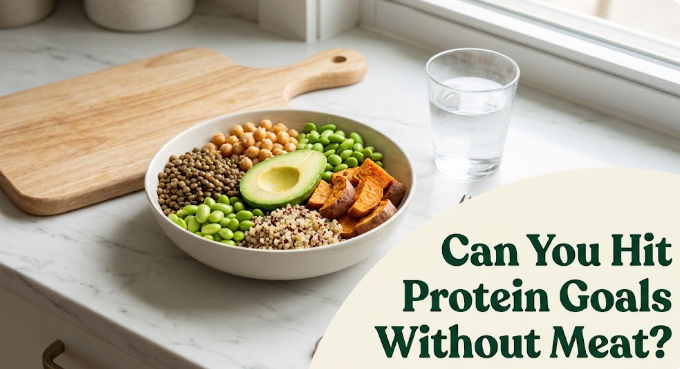
Do I need protein powder to hit my target? No. It’s convenient, not essential. Chicken, fish, eggs, dairy, legumes, and tofu can cover the same numbers, it just takes more planning without the shake.
Is more protein better for weight loss? Higher protein intake helps preserve muscle mass during a calorie deficit and tends to improve satiety, which makes sticking to a deficit easier. But protein alone doesn’t create the deficit, total calories still do that work.
How soon after a workout do I need to eat protein? Within a few hours is plenty. The old idea of a strict 30-minute anabolic window has been walked back by more recent research. Total daily intake matters far more than the exact timing.
Do vegetarians and vegans need more total protein? Slightly higher targets, often 10-20% above the standard range, are commonly recommended, mainly because plant proteins vary in amino acid completeness and digestibility. Combining sources like legumes and grains across the day covers this without much extra effort.
Whatever your starting point, the honest first step is just tracking food for a week without changing anything, so you know what you’re actually eating before you try to fix it.



6 Comments