I Tracked My Weight Every Day for 30 Days
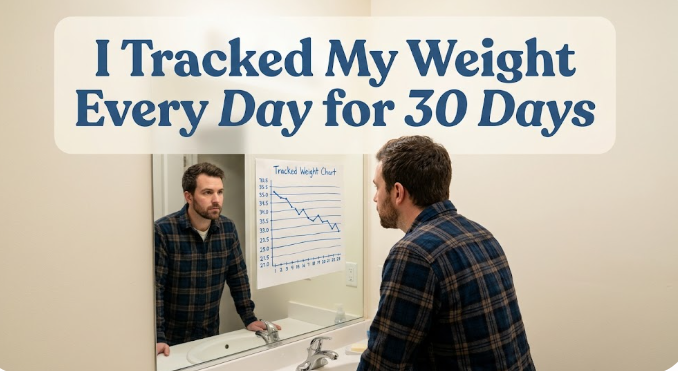
I Tracked My Weight Every Day for 30 Days
My weight moved almost four pounds between a Monday and a Wednesday in the first week, and I hadn’t changed a single thing about what I was eating. That number sat with me longer than it should have. I’ve coached people through weight changes for years, I know the water weight explanation cold, and it still rattled me a little to see it happen on my own scale.
That’s really why I started this. Not to lose weight specifically, and not to prove some theory right. I wanted to see, in my own body, what the day-to-day noise actually looks like when you’re paying close attention instead of checking in once a week like most people do.
1. Why I Started Weighing In Every Morning
I’d had this conversation dozens of times with clients. Someone steps on the scale on a Friday, sees a number they don’t like, and decides the whole week was a failure. Meanwhile they’d been consistent with meals, consistent with training, done everything right. The number just caught them on a bad day for water retention, sodium, or timing.
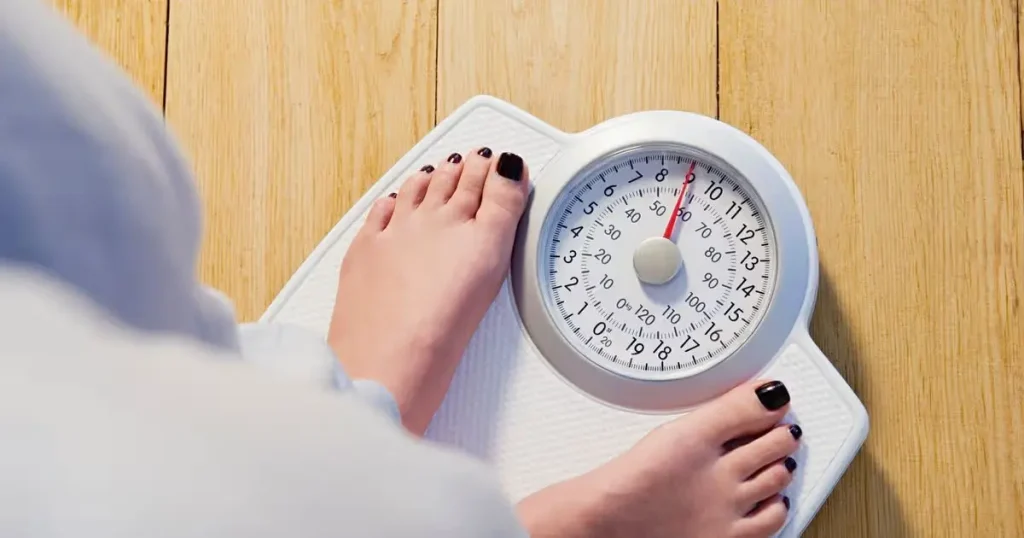
I wanted data on myself instead of a hunch I kept repeating to other people. So for 30 days I weighed in every morning, same time, same conditions: right after waking up, after using the bathroom, before eating or drinking anything. I logged it in a plain notes app. No fancy tracker, no smart scale syncing to an app that graphs everything for you. Just a number and a date.
2. What the Numbers Actually Looked Like, Week by Week
Here’s the thing that surprised me even though I expected it intellectually: the daily numbers were genuinely chaotic. The weekly averages told a completely different, much calmer story.
| Week | Daily Range | Weekly Average | Change From Prior Week |
|---|---|---|---|
| Week 1 | 182.4–186.1 lbs | 184.0 lbs | — |
| Week 2 | 181.9–185.3 lbs | 183.4 lbs | -0.6 lbs |
| Week 3 | 180.8–184.6 lbs | 182.7 lbs | -0.7 lbs |
| Week 4 | 180.1–183.9 lbs | 182.1 lbs | -0.6 lbs |
Look at that daily range column. Nearly four pounds of swing most weeks, sometimes more. And yet the weekly average moved in an almost boringly consistent line downward. That gap between the noisy daily number and the calm weekly trend is the entire lesson of this experiment, and it’s one I now bring up with almost every new client at Fitness Updates coaching sessions.
3. Where People Usually Get This Wrong
The mistake I see constantly, and made a little bit myself even knowing better, is treating a single morning’s number as information instead of as one data point in a pile of data points. A high reading after a salty dinner or a low-carb weekend isn’t a signal that something failed. It’s mostly water.
I also noticed something less talked about: how much the number affected my mood that day, even though I know better. A slightly higher reading on day 9 put a small dent in my motivation before I’d even had coffee. That’s worth naming honestly, because if it happens to someone who understands the science, it’s definitely happening to people who don’t. We’ve written before about why guilt is a bad reason to exercise, and this daily scale habit can quietly turn into exactly that kind of guilt trap if you let it.
And one more thing people get wrong, or at least I did for the first week: I kept comparing single days to single days instead of comparing averages to averages. Comparing Monday’s number to last Monday’s number is comparing two random points in a noisy dataset. It tells you almost nothing on its own.
4. What I Changed Because of What I Saw
By the second week the daily obsession faded and something more useful took its place. I started actually watching patterns instead of numbers. Sleep quality the night before seemed to matter more than I expected, poor sleep and the next morning’s reading were loosely but noticeably linked. Sodium-heavy dinners the night before consistently bumped the number up the next day, sometimes by close to two pounds, and it always came back down within 48 hours.
I didn’t change my training. I did tighten up protein a bit once I started paying closer attention to how full I felt between meals, and if you’re trying to figure out your own number there, we’ve got a breakdown on how much protein you actually need daily that’s worth a look. What changed most wasn’t diet or training at all. It was my relationship to the number itself.
There was one stretch, days 14 through 17, where the scale barely moved despite training and eating staying identical to the week before. I almost scrapped the tracking there out of frustration. But that stall matched almost exactly what I’d tell any client going through a plateau, so I stuck with it, and the average resumed its slow drift down the following week. Funny how much easier advice is to give than to take.

5. What I’d Tell Someone Starting This Tomorrow
If you want to try this yourself, keep it simple. Same scale, same time of day, same conditions, ideally first thing in the morning before food or water. Log it somewhere you’ll actually check back on, even a plain notes app works fine. Don’t react to any single day. Wait until you have at least a week of numbers before you look for a trend.
And give yourself permission to feel a little annoyed by a bad-looking morning without letting it steer your decisions. That reaction is normal. It just isn’t useful information.
If you’re newer to structured routines in general, it’s worth reading through why so many new gym goers quit so fast, because the same all-or-nothing thinking that kills a new training habit is exactly what a noisy scale number can trigger if you’re not expecting the noise.
Common Questions
Does daily weigh-ins actually work better than weekly? For catching real trends, yes, as long as you’re averaging the week rather than reacting to single days. A weekly weigh-in gives you one data point that could be an outlier in either direction. Daily weigh-ins averaged out remove most of that risk.
Why did my weight jump overnight when I didn’t overeat? Sodium, carbohydrate intake, hormonal cycles, hydration status, and even how much you slept can all shift the number by a pound or two without any change in actual body fat. It almost always evens out within a few days.
Is it unhealthy to weigh yourself every day? For most people it’s fine and can genuinely be useful, but if daily numbers start affecting your mood or eating decisions in an unhealthy way, weekly check-ins are the better call. Pay attention to how you feel about the number, not just what the number says.
What time of day gives the most accurate reading? First thing in the morning, after using the bathroom and before eating or drinking, gives the most consistent baseline. Consistency in timing matters more than the specific time you pick.
Should I trust the scale over how my clothes fit? Use both. The scale gave me a clean data trend over 30 days, but there were mornings the number felt discouraging even while my energy and how things fit told a better story. Neither measurement alone tells the full picture.
This one habit didn’t fix anything on its own. It just gave me thirty days of proof for something I already believed, which is that the day-to-day number means almost nothing and the trend means almost everything. If you’re curious how eating habits factor into all this, the piece on why you feel hungry after a healthy meal is a good next read.