What the 2026 ACSM Fitness Report Found
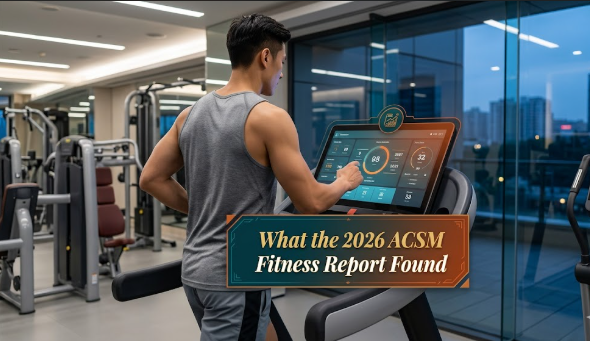
The number one fitness trend in the world for 2026 is the same thing it was last year, and the year before that. Wearable technology has topped the American College of Sports Medicine’s Worldwide Fitness Trends survey for several years running now, and on paper that sounds like a non-story. The real surprise sits further down the list. For the first time in the survey’s twenty-year history, adult recreation and sport clubs cracked the top 20, pulled up almost entirely by pickleball and a hunger for group activity that has nothing to do with chasing a number on a screen.
I have spent close to three decades building equipment and programs for gyms, and I still read this report cover to cover every year. Partly out of habit, partly because it’s one of the few sources in this industry that isn’t trying to sell you anything. ACSM surveyed roughly 2,000 clinicians, researchers, and exercise professionals to put this together, and the patterns that show up across nine global regions tend to hold up a lot better than whatever trend a fitness influencer is pushing that month.
Here’s what’s actually worth paying attention to in the 2026 edition, and where I think people misread it.
1. Wearables Aren’t the Trend Anymore. What They Measure Is.
Calling wearable technology a “trend” in 2026 is a little like calling smartphones a trend. Close to half of US adults already own a fitness tracker or smartwatch. The interesting shift isn’t adoption, it’s capability. Devices that used to count steps are now flagging falls, tracking blood glucose, and feeding heart rate variability data straight back into training plans. More than seven in ten wearable users in 2024 said they actually used that output to adjust how they trained or recovered, which tells you this stopped being a novelty a while ago.
Where this gets useful for an average gym-goer is recovery. A device that tells you your nervous system hasn’t bounced back from Tuesday’s session is more valuable than one that just tells you how far you walked. If you’re trying to figure out whether your body is actually ready for another hard session, this is worth pairing with the basics covered in why skipping rest days makes your progress worse, because the data only matters if you’re willing to act on it.
For a quick read on how the top of the list has shifted, here’s where things stand against last year:
| Rank 2026 | Trend | Rank 2025 |
|---|---|---|
| 1 | Wearable Technology | 1 |
| 2 | Fitness Programs for Older Adults | 3 |
| 3 | Exercise for Weight Management | 4 |
| 4 | Mobile Exercise Apps | 2 |
| 5 | Balance, Flow and Core Strength | 7 |
| 12 | HIIT | 6 |
| New | Adult Recreation and Sport Clubs | — |
HIIT dropping from #6 to #12 in a single year is one of the bigger moves in this report, and almost nobody is talking about it.
2. The List Finally Caught Up to What Was Happening at Local Parks
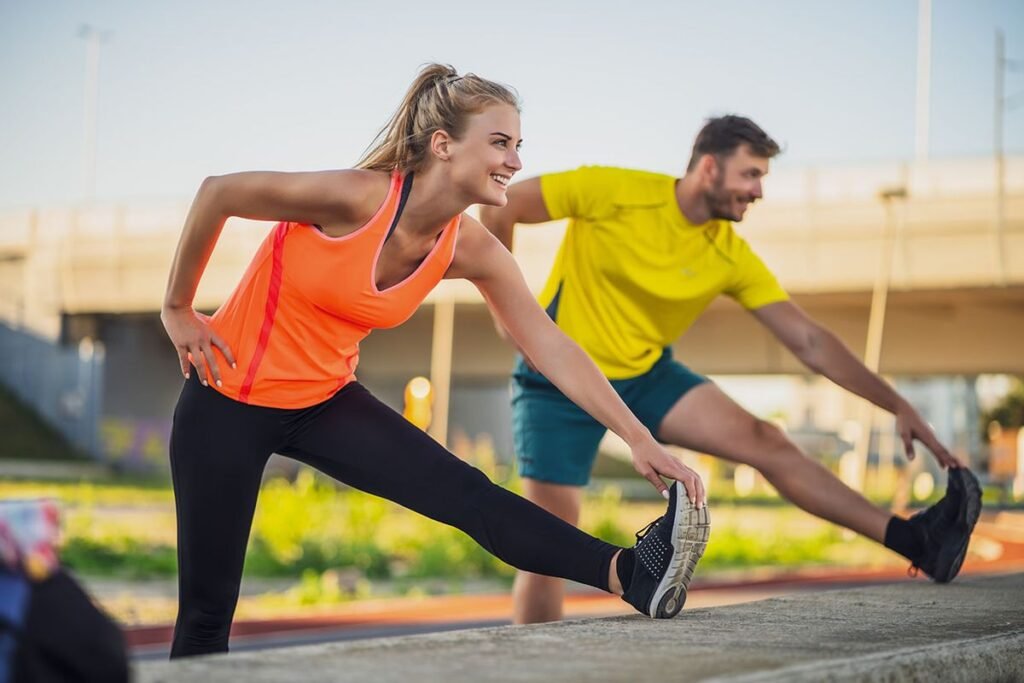
Adult Recreation and Sport Clubs showing up for the first time isn’t really about pickleball, even though pickleball is the headline. It’s about people choosing structure and company over isolation. A running club or a rec league gives someone a reason to show up that has nothing to do with willpower. You don’t need to feel motivated to go, you just need to not want to let your team down.
This connects to something I see constantly with people who’ve tried and failed to stick with solo workout plans. If you’ve ever wondered why your enthusiasm always evaporates somewhere around week two, the social piece is usually the missing ingredient, not the workout itself. There’s a good breakdown of that pattern in why motivation always disappears after the first two weeks that lines up with what this trend data is actually showing.
And group formats aren’t just a nice-to-have for people who are already active. ACSM’s data suggests they’re particularly effective for adults who were previously inactive and are motivated more by connection than competition. That’s a meaningfully different population than the one most gym marketing is built for.
3. Exercise for Weight Management Jumped, and the Reason Matters More Than the Rank
This trend moved from #8 in 2023 to #4 in both 2024 and 2025, and now sits at #3, its highest position since the survey began tracking it. The name itself changed too, from “weight loss” to “weight management,” to reflect that people are using exercise for maintenance and for healthy weight gain, not just for shedding pounds.
The obvious context here is GLP-1 medications. Roughly 42% of US adults deal with obesity, and close to half report actively trying to manage their weight, often through some combination of diet changes, exercise, or medication. Here’s where I think a lot of people get this wrong: they assume the medication does the heavy lifting and exercise becomes optional. It doesn’t work that way. Structured exercise preserves lean muscle mass and supports metabolic health in ways that medication alone consistently fails to replicate. Skip the training and you’re more likely to lose strength along with the weight, not just fat.
If you’re trying to understand why your body composition results have plateaued despite the scale moving, this is worth reading alongside fat loss vs weight loss what most people get wrong. The two conversations overlap more than people expect.
4. What This Means If You Actually Run Programs for People
Fitness Programs for Older Adults held the #2 spot this year, and it’s not a fluke. This trend has appeared in the top 10 in 17 of the past 20 years, and in 2026 it ranked highest among respondents over 65, gym owners, health coaches, and group exercise instructors specifically. If your programming still treats “senior fitness” as a separate, smaller offering bolted onto the main schedule, the data says you’re underserving a group that’s actually driving a meaningful share of gym attendance now.
Functional fitness training and traditional strength training also held strong globally, ranking in the top 10 across most of the nine regions ACSM tracked. Spain had functional training as its #1 trend outright. None of this is flashy. It’s barbells, kettlebells, and movement patterns that translate to daily life, and it keeps showing up because it keeps working.
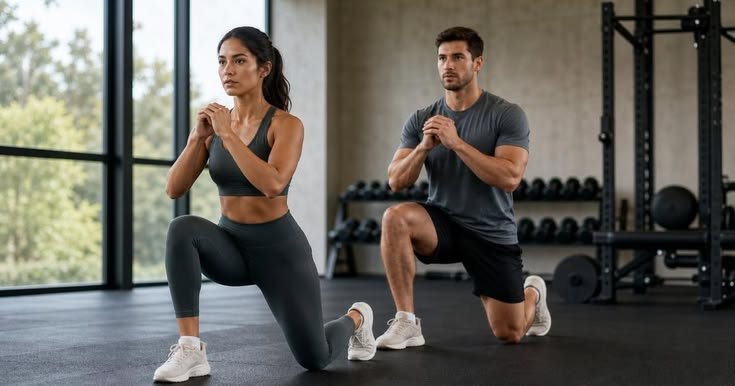
But the piece that’s easy to overlook is balance, flow and core strength climbing from #7 to #5. That’s not a coincidence sitting next to an aging-focused trend at #2. Programs that combine stability work with strength training are becoming the more practical answer for a population that wants to stay capable, not just look a certain way. If stress and recovery are part of what’s holding someone back from consistent training, 10 smart lifestyle health updates to reduce stress is a reasonable next stop, since the two issues tend to travel together more than people assume.
A Mistake Worth Naming
People treat this report like a list of fads to chase. It isn’t. ACSM is explicit that a trend, by their definition, has to show sustained, measurable engagement over time, not just a spike in interest. Mobile exercise apps are a good example of why that distinction matters. Usage and downloads actually peaked back in 2021 and 2022, yet the trend keeps climbing the list because revenue and retention have kept rising even as raw download numbers cooled off. A fad shows up and disappears. A trend keeps showing up in the numbers years after the initial buzz fades.
If you’re a trainer or a gym owner reading these reports to decide where to invest, that distinction should change what you act on. Chasing whatever spiked this quarter is how you end up with a studio full of equipment nobody uses by next summer.
A Quiet Final Note
Twenty years of data from thousands of professionals across nine regions doesn’t move much in any single year, and that’s sort of the point. The headline trend barely changed. What changed is underneath it, in how people are choosing to move, who’s showing up, and why. Pay attention to the things that keep reappearing year after year. Those are the ones worth building around.
FAQs
Is the ACSM Fitness Trends survey the same as a consumer poll? No. It surveys exercise professionals, clinicians, and researchers rather than gym members or the general public, which is part of why the results tend to track real industry behavior rather than short-term hype.
Why did HIIT drop so much in the 2026 rankings? It fell from #6 to #12 in a single year. The report doesn’t single out one cause, but it lines up with the broader shift toward lower-impact, sustainable formats like balance and core work, and group-based activities that don’t demand the same recovery cost.
Does the rise of GLP-1 medications mean exercise matters less for weight management? No, and this is one of the more common misreadings of the data. Exercise for Weight Management actually rose to its highest-ever ranking this year, in part because structured training supports outcomes medication alone doesn’t, particularly around preserving lean mass and metabolic function.
Should small gyms care about a global trends report like this? Yes, more than they usually do. The trends that hold steady across nine regions and twenty years, like strength training and programs for older adults, are a much safer bet for long-term programming decisions than whatever’s trending locally this month.
What’s the biggest practical takeaway for someone who just works out on their own? Pay attention to the social and recovery pieces, not just the workout itself. Two of the more notable movers this year, recreation clubs and wearable-driven recovery tracking, both point to consistency mattering more than intensity.
For anyone trying to turn any of this into an actual weekly routine rather than just an interesting read, building a fitness habit when life keeps getting in the way is a good place to start.