
GLP-1 Users Moving Less, Study Shows

Something about this finding stopped me mid-scroll when it came across my reading list last week. Not because it was entirely unexpected. More because it finally put hard numbers on something I’d been quietly observing in conversations with clinicians, trainers, and people navigating weight loss in real time.
A study presented at ENDO 2026, the Endocrine Society’s annual meeting in Chicago, tracked 753 adults with obesity before and after they began taking a GLP-1 receptor agonist medication. The research team used Fitbit data linked to electronic health records from the NIH’s All of Us Research Program. Not self-reported surveys. Actual movement data.
Daily step counts fell from an average of 5,047 to 4,487. Moderate-to-vigorous physical activity (MVPA) dropped from 28 minutes per day down to 22. The largest declines appeared in men and in people who already had joint or muscle pain before starting treatment.
That’s not a rounding error. For people whose long-term health depends on moving more, not less, that’s a meaningful drop going in exactly the wrong direction.
1. The Assumption That Keeps Getting Proved Wrong
The logic feels airtight on paper: lose weight, carry less load, feel better, move more. Motivation follows results. The body rewards itself. A smaller frame means less stress on joints, less breathlessness on stairs, more willingness to be active.
Except the data keeps disagreeing with this.
Dr. Sajana Maharjan, the lead researcher from HSHS St. John’s Hospital in Springfield, Illinois, was clear in the press release: “While many assume that weight loss leads naturally to increased physical activity, our study suggests otherwise.”
And this is where the fitness and clinical worlds need to sit with some discomfort. The assumption that physical activity is a downstream benefit of weight loss, something that sorts itself out once the scale starts moving, has been guiding how clinicians counsel GLP-1 patients. This study suggests that approach isn’t working. Weight was coming off. Movement was still declining.
The clinical implications of that are significant. Because what you lose on GLP-1 therapy matters as much as how much you lose, and the composition of that weight loss depends heavily on whether you’re moving.
2. The Muscle Mass Problem Nobody Talks About Enough
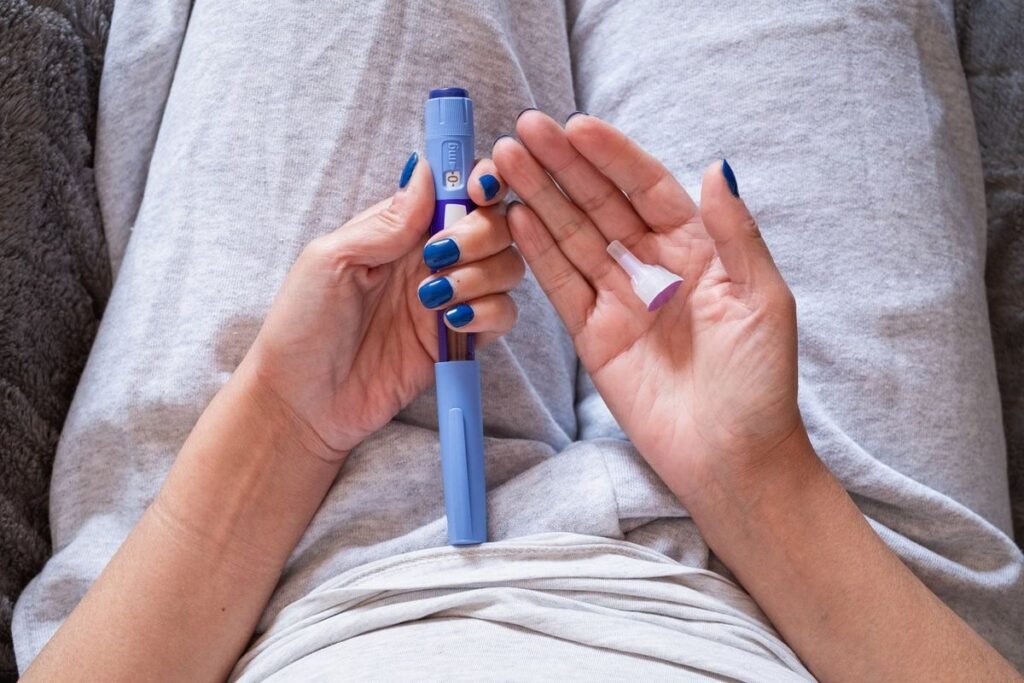
GLP-1 receptor agonists, including semaglutide (Ozempic and Wegovy), tirzepatide (Mounjaro and Zepbound), liraglutide, and dulaglutide, do not selectively remove fat. They reduce total body mass. And a substantial portion of what’s being lost isn’t fat at all.
Some research estimates that 20 to 40 percent of the weight lost on GLP-1 medications comes from lean muscle tissue.
That’s a number worth sitting with.
Muscle isn’t just the tissue that makes someone look stronger. It’s metabolic infrastructure. It regulates insulin sensitivity, supports bone density, drives caloric expenditure at rest, and determines how well someone maintains any weight they’ve lost once the medication stops. Losing it in significant quantities during a treatment course, and simultaneously reducing daily activity, compounds the problem in ways that may not show up on the scale for months.
I’ve spent nearly three decades in this industry and had hundreds of conversations about physiology, training, and metabolic health, including with researchers who study exactly this. Muscle as an active metabolic organ is consistently underrated in mainstream weight loss conversations. We focus on the number going down, not on what’s coming off.
For anyone curious about the broader metabolic picture during weight loss, there’s a solid breakdown over at fitnessupdates.org on what happens to your metabolism after a long diet that covers the adaptive responses most people don’t anticipate.
3. Why GLP-1 Users Are Moving Less
There are a few overlapping explanations for the activity decline, and they’re worth separating out clearly.
Fatigue is probably the most immediate. GLP-1 medications cause nausea, particularly in the early weeks, and a general reduction in energy levels is commonly reported. When someone feels consistently unwell, exercise gets deprioritised fast. That part isn’t surprising.
There’s also a possible neurological angle. GLP-1 receptors are present in the brain, not just the gut, and the pathways these drugs affect are involved in more than appetite regulation. Some researchers have raised the possibility that the motivation to engage in spontaneous movement, the inclination to take the stairs rather than the lift, to pace, to fidget, could be partially dampened by the medication’s broader neurological effects. That’s still being studied, but it’s a plausible mechanism.
Then there’s something more behavioural that rarely gets discussed. When people feel physical relief, reduced joint pain, less breathlessness, they sometimes interpret that relief as a signal to rest, not to push. The body feels better, so there’s less urgency. It’s a counterproductive response to good news.
Here’s a clear summary of what the ENDO 2026 data showed:
| Metric | Before GLP-1 | After GLP-1 | Change |
|---|---|---|---|
| Daily steps | 5,047 | 4,487 | -560 steps |
| MVPA (min/day) | 28 min | 22 min | -6 min/day |
| Groups with steepest decline | N/A | Men, people with musculoskeletal pain | N/A |
| Factors that didn’t change outcome | N/A | Age, prior stroke, heart failure | N/A |
Source: ENDO 2026, Dr. Sajana Maharjan, HSHS St. John’s Hospital, Springfield, IL
The pattern in people with pre-existing musculoskeletal pain is probably the most clinically important finding in that table. These are individuals who were already associating movement with discomfort before the medication. Weight loss doesn’t automatically rewrite that association. Without active intervention, they carry those avoidance patterns forward even as the physical barriers reduce.
4. What This Means Practically, and What to Actually Do
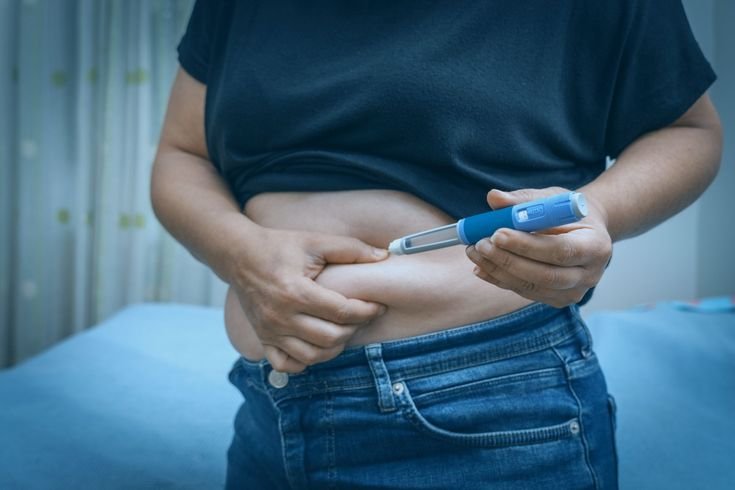
Dr. Maharjan’s conclusion from the study was direct: “Exercise cannot be optional for people taking these medications.”
That framing is important. Not “beneficial.” Not “recommended.” Not optional.
So the question becomes what kind of exercise, and how to approach it when fatigue and nausea are already competing for priority.
Walking matters, and there’s a useful honest discussion on the fitnessupdates.org site about whether walking is genuinely enough for fat loss and when it is and isn’t sufficient. For someone on a GLP-1, walking every day rebuilds the movement habit and counts toward the step targets the research tracks. But it won’t protect muscle mass on its own.
Resistance training is the non-negotiable piece. Two to three sessions per week, focused on major muscle groups, will provide the stimulus muscles need to stay intact during a caloric deficit driven by medication. The load doesn’t need to be heavy, especially in the early weeks. Bodyweight work, resistance bands, light dumbbells. The stimulus is what counts. And for people wondering whether that kind of training is achievable without a gym setup, the answer is yes, and fitnessupdates.org covers that specifically here.
One more thing that isn’t said clearly enough in GLP-1 coverage: weight regain after stopping these medications is common, and it tends to come back fast. The research on this is pretty sobering. But people who maintained or built lean mass during their treatment course tend to handle post-discontinuation significantly better than those who didn’t. Preserved muscle sustains metabolic rate. That alone, not the scale number, is probably the strongest argument for making exercise a serious part of any GLP-1 treatment plan.
Thirty minutes, five days a week, is the general clinical recommendation. It can be broken into smaller blocks. It doesn’t need to be intense. Consistency, as one of the clinicians quoted in the coverage of this study noted, outperforms intensity every time.
The medication is doing one job. Physical activity has to do the other. Both have to happen at the same time.
Frequently Asked Questions
Why would someone move less after losing weight on a GLP-1? Several factors are likely working together: fatigue from the medication, possible effects on the neural pathways that drive spontaneous movement, and behavioural patterns that don’t automatically change with the scale. The study found no evidence that weight loss itself led to increased activity, which challenges a long-held clinical assumption.
Which GLP-1 medications were included in the ENDO 2026 study? The study covered the full class of GLP-1 receptor agonists used for obesity treatment, including semaglutide (Ozempic and Wegovy), tirzepatide (Mounjaro and Zepbound), liraglutide, and dulaglutide. The activity decline applied across the medication class, not just one drug.
How significant is the risk of losing muscle mass on GLP-1 therapy? It’s real and it’s measurable. Research estimates that between 20 and 40 percent of total weight lost on GLP-1 medications can come from lean muscle tissue rather than body fat. This is one of the key reasons physical activity, especially resistance-based training, is considered clinically essential during treatment, not optional.
What type of exercise should GLP-1 users prioritise? Resistance training two to three times per week is the priority for muscle preservation. Aerobic activity and daily walking support cardiovascular health and help with step targets, but they won’t provide sufficient stimulus to maintain lean muscle mass during a caloric deficit. A combination of both is the most effective approach.
Who showed the biggest decreases in physical activity in the study? Men and people with pre-existing musculoskeletal pain showed the steepest drops in both daily steps and MVPA. Factors like age, prior stroke, or heart failure did not significantly alter the pattern, which suggests that the decline isn’t driven by overall health complexity but by specific physiological and behavioural mechanisms worth addressing directly in clinical settings.
What stays with me about this study is how well it illustrates the gap between what a medication can do and what it can’t.
GLP-1 drugs are the most effective weight loss tools most clinicians have ever had access to. That’s not overstated. But removing the weight doesn’t remove the habits, the fears around movement, the fatigue, or the quiet assumption that the drug is handling things so the hard work doesn’t have to happen.
It does. The research just confirmed it.
More on practical exercise approaches for fat loss and body composition can be found at fitnessupdates.org/5-fast-workout-health-updates-to-burn-fat/.