
Protein Intake for Weight Loss: Are You Eating Enough?
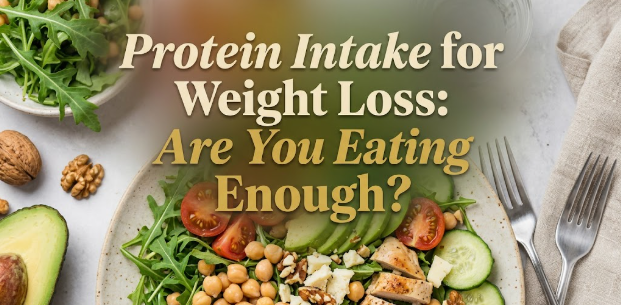
The conversation comes up so often that I’ve stopped being surprised by it. Someone is training consistently, cutting calories, doing everything they think is right, and the scale isn’t moving the way they expected. Or worse, it’s moving, but they’re losing muscle alongside the fat, which means the progress looks decent on paper but feels genuinely terrible in the gym.
And almost every time, the culprit is protein. Specifically, not enough of it.
People genuinely believe they’re eating adequate protein because they have chicken at dinner, a handful of nuts mid-morning, and maybe some eggs on the weekend. The reality is most people eating a standard western diet get somewhere between 50 and 80 grams of protein per day. That’s enough to avoid deficiency. It’s nowhere near enough to drive meaningful fat loss while protecting the muscle you’ve built.
The RDA for protein sits at 0.8 grams per kilogram of body weight. That figure was designed to prevent muscle wasting in a sedentary adult population, not to optimize body composition in someone actively cutting calories and training. Using it as your weight-loss target is like using the minimum speed limit as your cruising speed. Technically within bounds, completely inefficient.
1. Why the Official Recommendation Falls Short
The 0.8g/kg figure has been around for decades and still gets repeated by doctors, dietitians, and coaches who haven’t looked closely at what it was actually measuring.
What it represents is the estimated amount needed to maintain nitrogen balance in a healthy, non-exercising adult. Nitrogen balance is the point where protein breakdown and protein synthesis are roughly equal. You’re not losing muscle, but you’re not building it either. That’s the floor. And for anyone trying to lose fat while keeping their body composition intact, operating at the floor is a losing strategy.
When you’re in a caloric deficit, your body is under metabolic stress. It needs to break down stored fuel to compensate for the energy it’s not receiving from food. In an ideal scenario, most of that fuel comes from body fat. In practice, particularly when protein intake is low, a meaningful portion comes from muscle tissue. Your body will pull amino acids from skeletal muscle to maintain essential functions if dietary protein isn’t sufficient to cover demand.
I’ve spent years talking with researchers, coaches, and practitioners through my podcast work, and the consensus that comes through consistently is this: for someone in a caloric deficit who is also training, protein requirements are closer to 1.6 to 2.4 grams per kilogram of body weight. Sometimes higher in leaner individuals. That’s roughly double or triple the RDA.
This isn’t a fringe position. It’s replicated across controlled research, and it’s increasingly reflected in the practical guidance coming out of sports science and clinical nutrition. It just hasn’t filtered into mainstream dietary advice with the urgency it deserves, which is part of what the team at fitnessupdates.org focuses on addressing with evidence-grounded content.
If you want a broader framework for how nutrition fits into a sustainable weight-loss approach, the 7 proven diet updates for weight loss piece on this site is worth reading alongside this one.
2. What Protein Is Actually Doing Inside a Calorie Deficit
Most people think of protein primarily as a muscle-building nutrient. It is, but that framing misses the more immediate reasons it matters when you’re cutting.
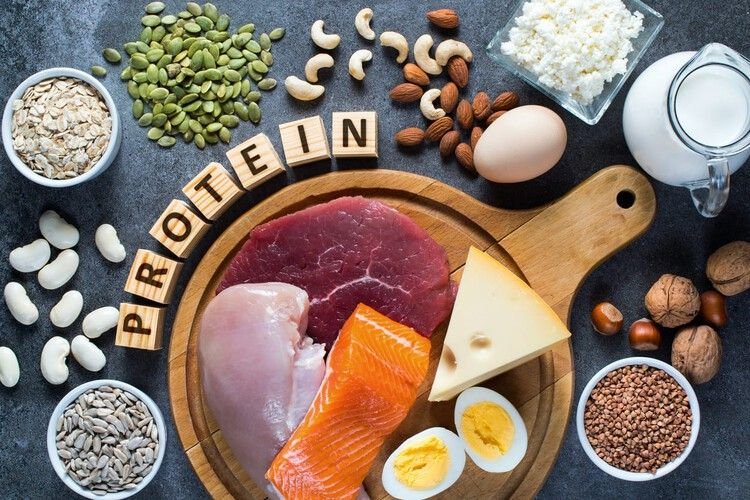
Protein has the highest thermic effect of any macronutrient. Your body burns approximately 20 to 30 percent of protein calories just through the process of digestion and metabolism. Compare that to dietary fat at 0 to 3 percent, or carbohydrate at around 5 to 10 percent. If you eat 200 calories worth of protein, 40 to 60 of those calories are spent on processing it. At scale, across a full day of eating, that number becomes significant.
Second, protein is the most satiating macronutrient. It suppresses ghrelin, the hormone that signals hunger, more effectively than carbohydrate or fat. When people tell me they’re constantly hungry on a diet, the first question I ask is what their protein looks like. Usually, that’s the answer.
Third, and this is the point that matters most for body composition, protein preserves lean muscle mass during a deficit. Muscle tissue is metabolically expensive, it burns calories just to exist. Lose muscle while cutting and you slow your resting metabolic rate, which makes every subsequent phase of your fat loss progressively harder. This is why people who cycle through crash diets tend to get worse results over time, not because their discipline has weakened, but because they’ve incrementally compromised their metabolic baseline.
This isn’t abstract. It plays out consistently in people who come to the fitness space after years of yo-yo dieting. Understanding this mechanistically tends to shift behavior more than any generic “eat more protein” instruction.
For more on the daily habits that support weight loss at a structural level, the daily fitness habits guide on fitnessupdates.org takes a practical approach to this that’s worth your time.
3. How Much You Actually Need
Rather than a single blanket number, here’s a practical reference based on body weight. For most people in a caloric deficit who are training at least three times per week, 0.7 to 1.0 grams of protein per pound of body weight is the working range. The lower end suits those with higher body fat percentages. The upper end is more relevant for leaner individuals or those doing significant resistance training.
Quick Reference: Daily Protein Targets for Weight Loss
| Body Weight | Minimum Target (0.7g/lb) | Optimal Target (1.0g/lb) |
|---|---|---|
| 120 lbs / 54 kg | 84g | 120g |
| 140 lbs / 63 kg | 98g | 140g |
| 160 lbs / 72 kg | 112g | 160g |
| 180 lbs / 81 kg | 126g | 180g |
| 200 lbs / 90 kg | 140g | 200g |
| 220 lbs / 100 kg | 154g | 220g |
One important note on this: if you’re significantly above a healthy body weight, calculate targets based on your goal weight rather than your current weight. Protein requirements relate to lean mass protection, not to total body mass, and calculating off a very high current weight can push targets unnecessarily high.
For context, 160 grams of protein looks like roughly four medium chicken breasts, or three whole eggs plus two servings of Greek yogurt plus a piece of salmon, or any combination of meat, fish, dairy, and legumes assembled deliberately across the day. It’s more than most people habitually eat. But it’s reachable with some planning, which I’ll come back to.
4. Where Most People Go Wrong With Protein
The single most common mistake I see is back-loading protein at dinner. People have a small breakfast, a light lunch, something low-protein mid-afternoon, then a large evening meal with 60 or 70 grams of protein in one sitting.
The problem with this is that muscle protein synthesis has a ceiling per meal. Research consistently suggests you can effectively utilize somewhere around 30 to 50 grams of protein per meal for the purpose of building and maintaining muscle. Eating 80 grams at once doesn’t produce double the benefit; the excess is directed toward energy or excreted. Which isn’t a reason to avoid large protein meals, but it is a strong reason to spread intake more evenly across the day.
Three to four protein servings distributed throughout the day outperforms one large serving and three light ones. A breakfast with at least 25 to 30 grams of protein is particularly useful, both for muscle protein synthesis across the morning and for controlling appetite through the rest of the day.
The second mistake is over-relying on plant-based proteins without accounting for differences in completeness and digestibility. Plant proteins are not inferior by nature, but they tend to have lower leucine content and lower bioavailability. Leucine is the amino acid that most directly triggers muscle protein synthesis, so if your intake is predominantly plant-based, the effective protein dose is lower than the label suggests. That’s not an argument against plant protein, it’s a practical consideration that often gets skipped.
And a third one, slightly tangential but worth flagging: people reach for protein powder as a replacement for whole food rather than as a complement to it. Whole food protein sources bring micronutrients, fiber, and satiety signals that shakes don’t replicate, and for most people, building the day around food first and supplementing the gaps with powder is the smarter approach. The powder is convenient, it has its place, but it shouldn’t become the foundation.
5. Getting to Your Number Without Obsessing Over It
A lot of people read articles like this and immediately feel anxious about hitting precise targets every day. That’s not the right takeaway, and that kind of rigid, all-or-nothing thinking tends to undermine consistency more than anything else does.
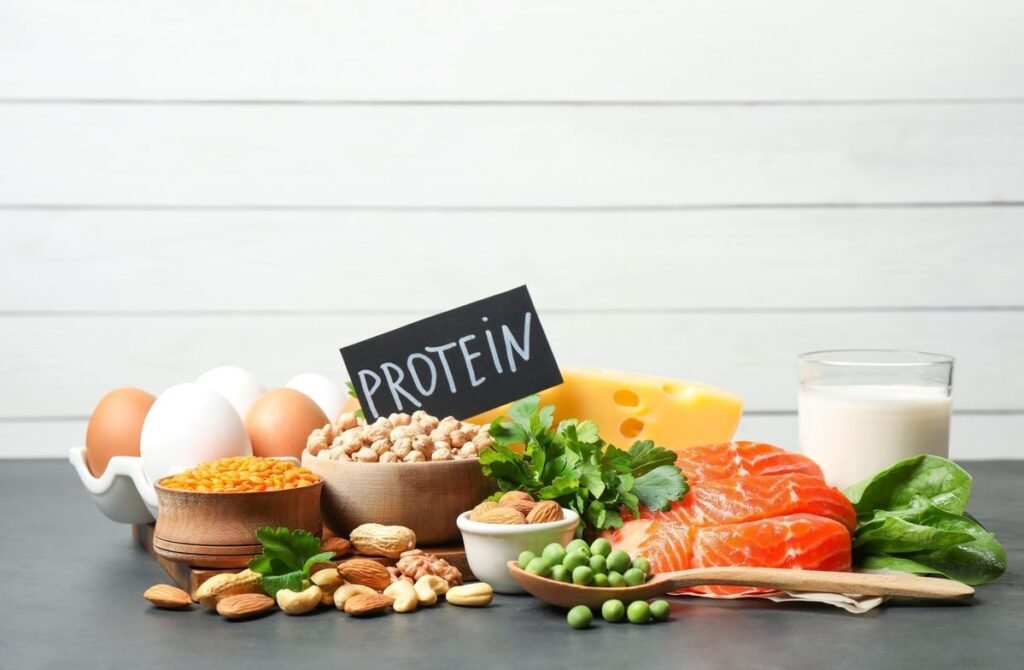
A more sustainable approach is to identify two or three high-protein anchor meals you enjoy and can prepare reliably, then use smaller additions throughout the day to close the gap. Greek yogurt with breakfast. A chicken or tuna-based lunch. A protein shake or cottage cheese in the afternoon. A dinner centered on meat, fish, or a legume-heavy combination. That structure alone will get most people within range of the optimal targets above.
You don’t necessarily need to track calories to make progress. But tracking protein, at least for a few weeks, until you develop a reliable intuition for what your actual daily intake looks like, is worth doing. Most people are genuinely surprised when they first log it. The gap between perceived intake and actual intake is usually larger than expected, often by 40 to 60 grams per day.
But, and this is something I think gets undersold across the fitness industry, the argument for adequate protein intake extends well beyond weight loss. Protein adequacy is associated with better bone density, stronger immune function, and increasingly, with cognitive performance and longevity. Researchers in the muscle-centric medicine space have made a compelling case that skeletal muscle is one of the primary drivers of long-term metabolic health, and that dietary protein is its most essential input. The weight-loss application is just the most immediate entry point. The deeper argument is about what you’re building for the next 20 years, not just the next 12 weeks.
That longer-term nutritional perspective is something fitnessupdates.org returns to consistently, and if you want a broader look at the science behind practical nutrition strategies, the nutrition insights backed by current research section is a useful starting point.
FAQs
Can I eat too much protein while trying to lose fat? For the vast majority of healthy people, practical overconsumption of protein is not a meaningful risk. The body regulates it fairly well, using excess for energy or excreting it. The concern that high protein intake damages kidneys is based on studies in individuals with pre-existing kidney disease, not in healthy populations. If you have a diagnosed kidney condition, discuss target ranges with your doctor before making significant changes. Otherwise, going toward the higher end of the table above while in a deficit is a defensible and well-researched strategy.
Does the protein source matter for fat loss specifically? To a degree, yes. Animal-based proteins generally have higher leucine content and better bioavailability, meaning a larger proportion of what you eat is actually utilized. That said, the differences are not dramatic enough to eliminate plant-based options from a fat-loss diet. What matters most is total daily intake from a combination of sources that collectively provide all essential amino acids. Variety across sources is a reasonable practical goal.
Do protein needs change after 50? They actually increase. Older adults experience anabolic resistance, a reduced muscle protein synthesis response to a given protein dose compared to younger people. Research suggests adults over 50 may need 1.2 to 1.6 grams per kilogram just to maintain lean mass at rest, which means the targets for active fat loss would push higher still. If you’re in that age group and trying to cut, erring toward the optimal end of the table above is worth considering.
Is protein timing around training important? Less precisely than the supplement industry has historically suggested. Total daily protein intake matters considerably more than exactly when you eat it. That said, having a meaningful protein serving within two hours of training, before or after, does appear to support muscle protein synthesis in the window when your muscles are most responsive. A real meal within that timeframe works as well as a shake.
How do I know if I’m losing muscle rather than fat? Outside of a body composition scan, the most reliable signal is gym performance. If your strength across compound movements like squats, rows, and deadlifts is declining significantly over weeks, not just a bad session here and there, that’s often a sign that the deficit is too aggressive or protein is too low. Modest strength maintenance during a cut is realistic and acceptable. Consistent, progressive strength decline is worth acting on before adjusting anything else.