
Starting Out on Your Road to Fitness
Starting a fitness regimen is daunting to say the least. You enter a gym and find people lifting heavy bars or running on treadmills like they are about to break the sound barrier. Perhaps you have tried exercising before, but quit after a few weeks.
Because the truth is that we all have to start somewhere. Those fit people you see? They were beginners once too.
This is what I wanted to write about with my article that brings you ten clever fitness health news which can lay the foundation. These are not complicated workout plans or strict diets. They’re solid touchstones that really do work for true beginners.
Let’s jump in to what we really need when you’re still fresh out of the gate.
1. Start Small and Build Momentum
The mistake is common among beginners. They dive into brutal workouts five days a week and fizzle out within a month.
Your body needs time to adjust. Begin with 20-30 minutes of exercise, three days a week. That might be a brisk walk, some light running or simple bodyweight exercises at home.
Why this works:
- Prevents injury from overtraining
- Builds sustainable habits
- Reduces mental burnout
- Increases long-term success rates
After a fortnight, add an additional five minutes to each session. By month three, you will instinctively have the desire to work out more, because your body has acclimated.
Imagine it is like learning to drive. You’re not getting going — and you don’t start on the highway. Empty parking lots are your practice area at first.
2. Hydration is Key — More Than You Think
The majority of newbies get caught up in working out, and they neglect that key hydration component. This is a huge mistake.
Your body is about 60% water. Sweat is only one way that you lose fluids when you work out. Workouts feel so much harder when you’re dehydrated, even just a little bit.
Daily water intake guide:
| Body Weight | Daily Water Goal |
|---|---|
| 120-150 lbs | 8-10 glasses |
| 150-180 lbs | 10-12 glasses |
| 180-210 lbs | 12-14 glasses |
| 210+ lbs | 14-16 glasses |
Drink a glass of water 30 minutes before you start working out. For workouts, have a water bottle within your reach. Drink another within 30 minutes after you complete.
Here is an easy one: Monitor the color of your urine. Pale yellow means you’re hydrated. Dark yellow signals you need to drink more water.
3. Sleep is Your Secret Weapon
You do not build muscle when you workout. You build it while sleeping.
When you workout, you cause little tears in your muscle fibers. Your body heals these tears as you sleep, and it makes muscles stronger. If you skip sleep, you will also be skipping results.
Beginner people require 7 to 9 hours of quality sleep every night. It is non-negotiable if you want to move forward.
Better sleep habits:
- Go to bed at the same time every day
- Keep your bedroom cool and dim
- No screens at least one hour before bedtime
- Do not consume heavy meals just before going to bed
Lack of sleep also screws with your hunger hormones. You will yearn for gummy bears or pretzels, and you’ll overeat. Of course, sleeping well makes you less likely to make poor food choices naturally.
4. Walking is Seriously Underrated
You don’t need expensive equipment or a gym membership to get in shape. Walking is considered one of the best exercises for beginners.
30 minutes walking can burn up to 150 calories. It strengthens your heart, lifts mood and helps relieve stress. Plus, there’s zero learning curve.
Walking workout progression:
| Week | Duration | Frequency | Intensity |
|---|---|---|---|
| 1-2 | 15 min | 3x/week | Relaxed Pace |
| 3-4 | 20 min | 4x/week | Moderate pace |
| 5-6 | 30 min | 5x/week | Brisk pace |
| 7-8 | 40 min | 5x/week | Include hills |
Make walking enjoyable. Tune in to podcasts, audiobooks or music. Walk with a friend. Explore different neighborhoods. The easier it is to accomplish, the greater chance you will stick with it.
5. Protein Isn’t Just for Bodybuilders
There are a few things every beginner should know about protein. Your muscles require protein to repair themselves and grow after exercise.
Figure out what is on your plate, but you don’t have to have protein shakes and supplement costs. Regular food works perfectly fine.
Good protein sources for beginners:
- Chicken breast
- Fish (salmon, tuna)
- Eggs
- Greek yogurt
- Beans and lentils
- Cottage cheese
- Lean beef
- Tofu
Ideally 0.7-1 gram of protein per pound of body weight every day. If you are 150 pounds, consume between 105-150 grams of protein in a day across the span of the day.
The reason you want to eat protein at every meal is because it keeps you full longer and prevents muscle loss when your goal is fat loss.
6. Rest Days Aren’t Lazy Days
Beginners often think more exercise means faster results. This can cause overtraining and injury.
Your body needs rest to repair and get stronger. Schedule at least two full rest days per week.
You rest on your rest days, but “rest day” doesn’t mean lying on the couch all day. They mean avoiding intense workouts. You can continue to do light activities — stretching, yoga, slow walking.
Signs you need a rest day:
- Unusual muscle soreness that won’t go away
- Feeling tired despite sleeping enough
- Decreased performance in workouts
- Irritability or mood swings
- Getting sick more often
Listen to your body. No fitness app or workout plan is as intelligent.
7. Monitor Your Progress Away From the Scale
The bathroom scale isn’t the whole story. You could be gaining muscle and losing fat, but the scale won’t budge.
This is frustrating for beginners and causes them to give up. Don’t fall into this trap.
Better ways to track progress:
- Take photos every two weeks
- Take measurements of waist, hips, arms and legs
- Notice how clothes fit
- Monitor energy levels throughout the day
- Track workouts (can you do more reps?)
- Consider your mood and sleep quality
Create a simple tracking chart:
| Date | Weight | Waist | Energy (1-10) | Workouts |
|---|---|---|---|---|
| Week 1 | 165 lbs | 34 in | 6 | 10 pushups |
| Week 4 | 164 lbs | 32 in | 8 | 20 pushups |
That’s progress made, even when the scale barely moves.
8. Master Basic Movements First
Fancy work looks good on social media. But beginners need to start with basic movements.
The best part is that these simple movements build strength in multiple muscle groups:
Push movements:
- Wall pushups
- Knee pushups
- Regular pushups
Pull movements:
- Assisted pullups
- Bodyweight rows
- Band pulldowns
Lower body:
- Bodyweight squats
- Lunges
- Step-ups
Core:
- Planks
- Dead bugs
- Bird dogs
Master your form on these staples before attempting the trickier exercises. Proper form prevents injuries and gives better results.
Use a mirror to watch yourself or record videos of yourself to monitor your technique. Lots of gyms provide free form checks with a trainer. For more detailed guides on proper exercise form and technique, visit Fitness Updates for comprehensive resources.
9. Meal Prep is a Fitness Game Changer
Bad diet trumps exercise. This applies to everyone but is particularly true of beginners.
Meal prepping: It sounds daunting, but it’s actually easy. Dedicate, say, two hours on a Sunday and batch cook for the upcoming week.
Beginner meal prep formula:
- Pick 2-3 protein sources
- Choose 2-3 vegetable options
- Select 1-2 carb sources
- Cook everything in bulk
- Divide into containers
Simple meal prep example:
- Grilled chicken, sweet potatoes (bake them and put your cinnamon on top)
- Ground turkey and brown rice
- Steamed broccoli and green beans
When you are hungry and order a pizza, it is hard to resist the 6 PM panic because healthy meals are ready.
According to the Centers for Disease Control and Prevention, meal planning is one of the most effective strategies for maintaining a healthy diet and achieving fitness goals.
10. Find Activities You Actually Enjoy
The one biggest, fattest secret to fitness success: if you hate it, you won’t do it.
It’s a recipe for disaster to make yourself run when you hate running. Fitness is not supposed to be making you miserable but rather adding some joy to your life.
Experiment with various activities until something sticks:
- Dancing classes
- Swimming
- Cycling
- Hiking
- Rock climbing
- Martial arts
- Team sports
- Yoga
The best workout is the one you will do consistently. Don’t make yourself fit into a mold that was not designed for you.
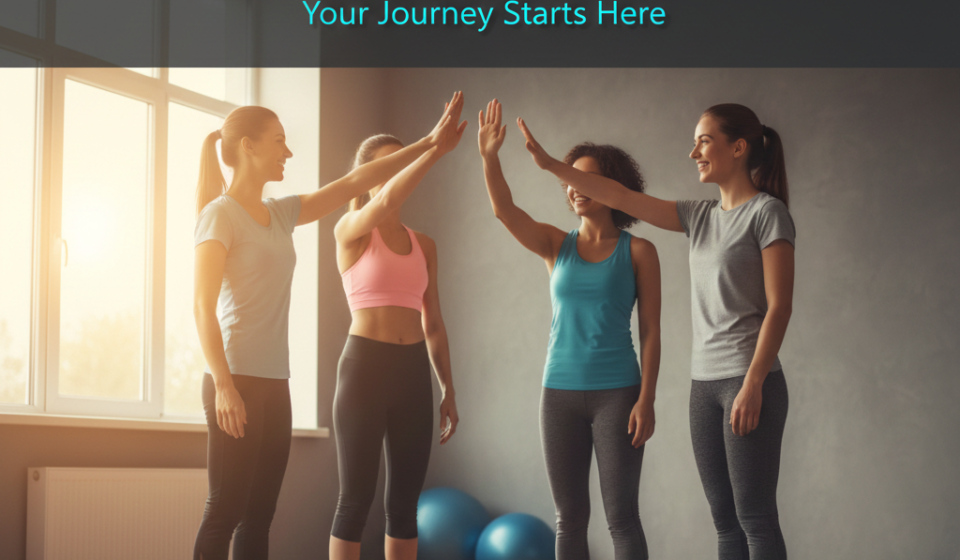
Join beginner-friendly classes or groups. It’s more fun to work out with other people, and makes you accountable.
Creating Your Personal Action Plan
You now have ten strong ways to begin your fitness journey. But knowledge without action changes nothing.
Choose three recommendations in this article to try out this week. Not all ten—just three. Master those, then add more.
Week 1 action plan example:
- Consume 8 glasses of water every day
- Walk 20 minutes, three times this week
- Hit the sack by 10 PM every night
Write them down on a piece of paper and glue it to your bathroom mirror. Check them off daily.
Small wins create momentum. Momentum builds habits. Habits transform your life.
Frequently Asked Questions
How long after I start working out will I start to see results?
One week: Most beginners experience heightened energy in a week’s time. Physical changes are usually visible to others after about 4-6 weeks of regular exercising and eating properly. Keep in mind: Not everyone’s body reacts the same to genetics, baseline fitness and how often you’re lifting before is different for everybody.
Do I need to join a gym to get fit?
No, you don’t have to join a gym to get going. Beginners can still achieve great results by doing bodyweight exercises, walking or practicing at home. If you save for a gym, you can always join one once you have a solid foundation and figure out what kind of equipment you like.
What are the best foods to eat before and after a workout?
Consume a light snack containing carbs and protein 1-2 hours before working out, such as banana with peanut butter or yogurt with berries. Eat a high-protein meal with some carbs within two hours of workouts to aid recovery. A chicken sandwich or a protein smoothie is perfect.
How can I stay motivated when this process feels so slow?
Monitor several metrics of progress, not just weight. Photograph, measure body parts and take note of non-scale victories like better sleep, more energy or an improved mood. Connect with a group of other people, or just someone to work out with and help keep you accountable.
Are you supposed to be sore after a workout?
For beginners, a bit of muscle soreness is normal as your body gets accustomed to the strain. But if you’re in a lot of pain or it lasts longer than 3-4 days, you’re pushing too much. Take it easy a bit in training and let your body recover. Soreness should lessen as you become more fit.
Is it possible to lose weight without exercising?
Diet is where weight loss goes down. But, exercise also helps you lose fat while maintaining muscle; improves health markers, which you won’t necessarily see on a scale; and makes the whole process of weight loss more comfortable. A combination of healthy eating and regular physical activity is the best way to maintain a healthy lifestyle.
Your Fitness Journey Starts Now
It’s not always about trying to be perfect and make sure you’re doing things right as a beginner getting fit. It requires consistency and patience.
You are going to have days when motivation vanishes. You will miss workouts and eat foods you shouldn’t. That’s normal and expected. What matters is getting back on the horse the next day.
These 10 fitness health tips provide you with a clear road map to your success. They’re actually tested strategies that work for real people who have busy lives, not just fitness influencers.
Start where you are. Use what you have. Do what you can.
The “you” of tomorrow will be grateful you started today. Just take that step. Every pro was once an amateur who never gave up!
The longest journey starts with the very first step. Take yours now.