
What’s On Your Plate Matters Most in 2026
The world of nutrition can be hard to keep up with. What experts advised five years ago might not be the same that they recommend today. But as we continue throughout 2026, scientists are uncovering more and more about the ways our food impacts our bodies, brains and total well-being.
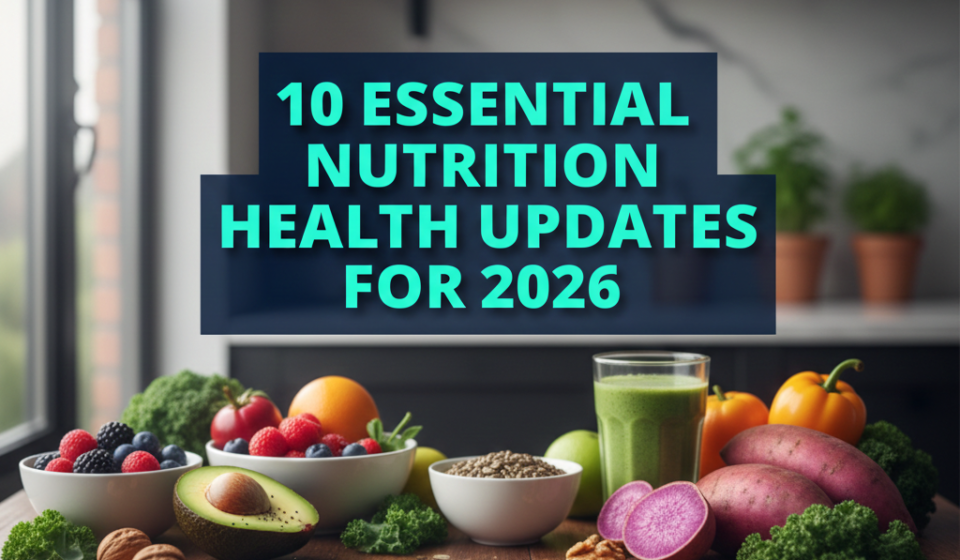
This year has thrilling developments that could alter the way you eat, shop for groceries and approach meals. From targeted nutrition plans to unexpected pros of popular foods, here are 10 updates changing the health game.
Whether you’re looking to lose weight, boost energy or simply feel better, these nutrition findings can help. Let’s take a look at what’s new and most important for your health today.
1. Personalized Nutrition Goes Mainstream
Your DNA Decides Your Diet
Those one-size-fits-all meal plans are no more. Finally available to anyone and everyone in 2026, personalized nutrition for your unique genetic makeup (not just rich people).
Companies now offer at-home DNA test kits that let you know:
- What is going on in your body when it feels its best
- What nutrients you may be missing
- How your genes impact weight gain or loss
- Your intolerance to caffeine, gluten, and all that other stuff
The Gut Microbiome Revolution
Inside your stomach are trillions of tiny bacteria that influence everything from digestion to mood. Now, new testing methods can map your unique gut bacteria profile.
This intelligence guides doctors and nutrition experts to create meal plans that nourish the good bacteria while not feeding the bad. Many people find their digestive issues clear up, their skin is clearer and they have more energy in as little as a few weeks following an individualized plan.
Cost Alert: These tests are now priced between $99-$299, which is within reach for most families.
2. Plant-Based Protein Reaches New Heights
Beyond Meat Alternatives
Plant-based eating continues to spread, but in 2026 there are better options than ever. New protein sources include:
- Duckweed protein (yes, it contains all nine essential amino acids)
- Algae-based protein powders
- Peas and rice blend plus extra protein
- Enhanced tasting fermented soy products
The Protein Quality Chart
| Protein Source | Protein per 100g | Complete Protein? | Digestibility Score |
|---|---|---|---|
| Duckweed | 45g | Yes | 95% |
| Spirulina | 57g | Yes | 83% |
| Hemp Seeds | 32g | Yes | 87% |
| Lentils | 9g | No | 92% |
| Spinach | 4g | No | 98% |
| Chicken Breast | 31g | Yes | 97% |
Today, plant proteins are equal in quality to animal proteins and offer added vitamins, minerals, and fiber. You don’t have to eat meat to build muscle or remain strong anymore.
3. Intermittent Fasting Gets a Makeover
Time-Restricted Eating Windows
Intermittent fasting remains popular, but 2026 research found that timing was more important than the duration of a fast.
New research shows that a 10-hour eating window is effective for weight loss. This approach:
- Matches your body’s natural rhythm
- Improves sleep quality
- Helps control blood sugar
- Doesn’t leave you feeling starved
The Circadian Rhythm Connection
Your body has a built-in clock that influences how you metabolize your food. Eating earlier in the day when your metabolism is working more efficiently helps you:
- Make wise choices about snacks
- Burn more calories
- Store less fat
- Feel more energetic
- Sleep deeper at night
Now, experts say “when you eat” may prove to be as important as “what you eat.”
4. Ultra-Processed Foods Get Official Guidelines
What Makes Food Ultra-Processed?
The government eventually issued clearer definitions in 2026. Ultra-processed foods contain:
- Five or more ingredients whose names you can’t pronounce
- High amounts of added sugar, fat or salt
- Emulsifiers, preservatives, or industrial additives
- Very little real food content
The New Traffic Light System
Grocery stores even use a basic color-coding system now:
- Green: Whole, minimally processed foods
- Yellow: Some processing, still nutritious
- Red: Ultra-processed, eat occasionally
That’s good for time-crunched families trying to make healthier purchases.
5. Electrolyte Balance Takes Center Stage
More Than Just Sports Drinks
People now recognize that electrolytes impact daily health, not only athletic performance. These minerals control:
- Muscle function
- Nerve signals
- Water balance
- Blood pressure
- Energy levels
Signs You Need More Electrolytes
Watch for these common symptoms:
- Afternoon fatigue crashes
- Muscle cramps or twitches
- Brain fog or poor focus
- Headaches
- Irregular heartbeat
Natural Electrolyte Sources
- Coconut water
- Watermelon
- Bananas
- Leafy greens
- Sea salt
- Bone broth
Many will feel significantly better just by adding a pinch of good sea salt to their morning water.
6. Fermented Foods Prove Their Power
The Science Behind Fermentation
It’s 2026, and research has found what grandmothers have known all along: Fermented foods keep us healthy in the most marvelous ways.
Fermented foods, when included as part of a balanced diet, have been observed to provide health effects in the following areas:
- Immune system strength
- Mental health and mood
- Digestive comfort
- Skin clarity
- Weight management
Easy Fermented Foods to Try
| Food | Main Benefits | How to Use |
|---|---|---|
| Kimchi | Gut health, vitamins | Side dish, rice bowls |
| Kefir | Probiotics, calcium | Smoothies, by itself |
| Sauerkraut | Digestion, vitamin C | Sandwiches, salads |
| Miso | Protein, minerals | Soups and marinades |
| Kombucha | Energy booster with probiotics | Daily beverage |
Start small and gradually build up. Your gut wants to make friends with the good bacteria.

7. Magnesium Deficiency Finally Gets Attention
The Silent Epidemic
More than half of all Americans are not getting enough magnesium. This mineral is involved in over 300 body processes, but since doctors hardly ever test for it, most people don’t know they’re deficient.
What Magnesium Does
This mighty mineral helps:
- Relax muscles and prevent cramps
- Calm anxiety and stress
- Improve sleep quality
- Support bone strength
- Regulate blood sugar
- Maintain steady heartbeat
Best Food Sources
Unfortunately, modern farming depletes soil of magnesium, which makes it harder to get enough from food alone. Top food sources of magnesium include:
- Pumpkin seeds
- Dark chocolate with 70% or more cacao
- Spinach and Swiss chard
- Black beans
- Almonds
- Avocados
However, many people benefit from taking 300-400mg of magnesium supplement daily. Magnesium glycinate is the best form for better absorption.
8. Science Reveals Surprising Facts on Hydration
You Probably Need More Water Than You Think
New research shows that water intake is actually more than the old recommendation of 8 glasses a day. The new formula states that you should drink half your body weight in ounces daily. For example, a 160-pound person would need 80 ounces of water.
Water Quality Matters as Well
By 2026, experts advise not just on the quantity, but the quality also. They recommend:
- Filter tap water to remove chemicals
- Add minerals to reverse osmosis water
- Avoid plastic bottles as much as possible
- Check water pH, which should be between 7 to 8.5
For more health and fitness insights, keeping up with the latest research can transform your wellness journey.
Hydration Timing Tips
Experts add that when you drink also matters:
- Drink 16 ounces of water upon waking
- 8 ounces 30 minutes before a meal
- 4-8 ounces of water every 15 minutes of exercise
- A small sip before bed if you feel you need it
Improved hydration enhances skin, energy, digestion, and brain function within a few days.
9. Omega-3 Ratios Become the New Focus
Balance Instead of Quantity
Scientists say that instead of just looking at the total amount of omega-3 you are taking, it’s better to pay attention to the ratio. The ideal omega-3 to omega-6 ratio should be 1 to 4 or lower, while the average American is at 1 to 16, which is too high in omega-6.
How to Fix the Ratio
To fix the ratio, you should:
Add more omega-3 from:
- Fatty fish
- Flaxseeds
- Chia seeds
- Walnuts
- Algae supplements
Reduce omega-6 that comes from:
- Vegetable oils
- Fried food
- Packaged snacks
- Fast food
Balancing these fats lowers inflammation and keeps the heart healthy, while also maintaining sharp brain function. The National Institutes of Health provides comprehensive information on omega-3 fatty acids and their health benefits.
10. Your Body Clock and Meal Timing Sync Up
The Chrono-Nutrition Breakthrough
Eating in accordance with your body’s natural rhythm offers you the greatest nutritional benefits. This idea, which is known as chrono-nutrition, skyrocketed in popularity this year.
The Ideal Daily Eating Schedule
Morning (6-10 AM): Largest meal of the day
- High protein and healthy fats
- Complex carbohydrates
- Your metabolism runs hottest now
Midday (12-2 PM): Moderate meal
- Balanced plate with all food groups
- Good time for heavier proteins
Evening (5-7 PM): Lightest meal
- Smaller portions
- Easy-to-digest foods
- Less protein, more vegetables
After 7 PM: Kitchen closed
- Allows 12-14 hour overnight fast
- Improves sleep quality
- Enhances next-day energy
Why This Works
Your body secretes a wide variety of hormones and enzymes throughout the day. When you eat when your digestion is optimal, it can help you:
- Absorb more nutrients
- Store less fat
- Sleep better
- Wake up energized
Using These Updates to Your Advantage
Start Small, Build Gradually
You don’t have to overhaul everything all at once. Choose one or two of the updates that speak to you most and begin there.
Track Your Progress
Write down what you eat and how much energy it gives you for two weeks. Note:
- What you ate and when
- Energy levels throughout the day
- Sleep quality
- Mood and focus
- Any physical changes
You’ll get to figure out what works for your own, individual body.
Get Support When Needed
Try to find a registered dietitian who keeps up with 2026 research. They can help you:
- Interpret DNA test results
- Create personalized meal plans
- Make changes based on your progress
- Navigate any health conditions
The Bottom Line: Nutrition Is Not Static, So Neither Are You
These are the 10 top nutrition trends that represent the frontier of food science in 2026. Every update isn’t necessarily right for everybody, but some are likely to match with your health goals.
Remember that nutrition is personal. What is good for your neighbor may not be good for you. Use these updates as inspiration to delve into something and start experimenting.
The best diet is one that you can stay on long-term and feel good on in the short-term—energized, satisfied, healthy. These 2026 changes only make it easier to customize and arrive at that perfect balance.
Begin with one shift this week. Notice how you feel. Adjust as needed. Your body will tell you what’s happening.

Frequently Asked Questions
Q: Is it necessary to have a DNA test for personalized nutrition? A: No, it’s not required, but you’ll find it useful. You might want to begin by paying attention to how different foods make you feel, and adjusting in response. DNA tests simply expedite it.
Q: Are plant-based proteins really as good as animal ones? A: Yes, if you select complete plant proteins, such as duckweed, spirulina, or hemp seeds. Mixing and matching various plant proteins over the course of a day is also fine.
Q: I’ve been trying intermittent fasting for a few weeks and can’t see any results. How long do I have to try it? A: Your energy will be higher and you will think more clearly within three to seven days. Weight loss and other benefits generally make their appearance after about 2-4 weeks of consistent fasting.
Q: Is it possible to get enough magnesium from food alone? A: It is hard because soil is depleted. Eating magnesium-rich food every day will help, but many people do very well on supplements. Ask your doctor about testing your levels.
Q: What if I can’t afford costly supplements or fancy foods? A: Good news: You get a lot of these updates for free. Meal timing, eating windows, hydration, and choosing whole foods over processed ones are free or cheap changes that deliver big results.
Q: How can I tell what omega-3 supplement to buy? A: Find third-party tested fish oil with at least 500mg of EPA and 250mg of DHA per serving. Algae-based omega-3 is excellent for vegetarians and vegans.
Q: Are all ultra-processed foods bad and should I avoid them altogether? A: Try for moderation, not perfection. Endeavor to eat 80% of your diet as whole, minimally processed foods. A little of these ultra-processed foods now and then won’t harm you.
Q: When is the best time to begin making these changes? A: Right now. Choose the simplest upgrade for your current spot and start today. Tiny, consistent moves win over perfect plans that never come to fruition.