
Introduction: Your journey to better health begins today
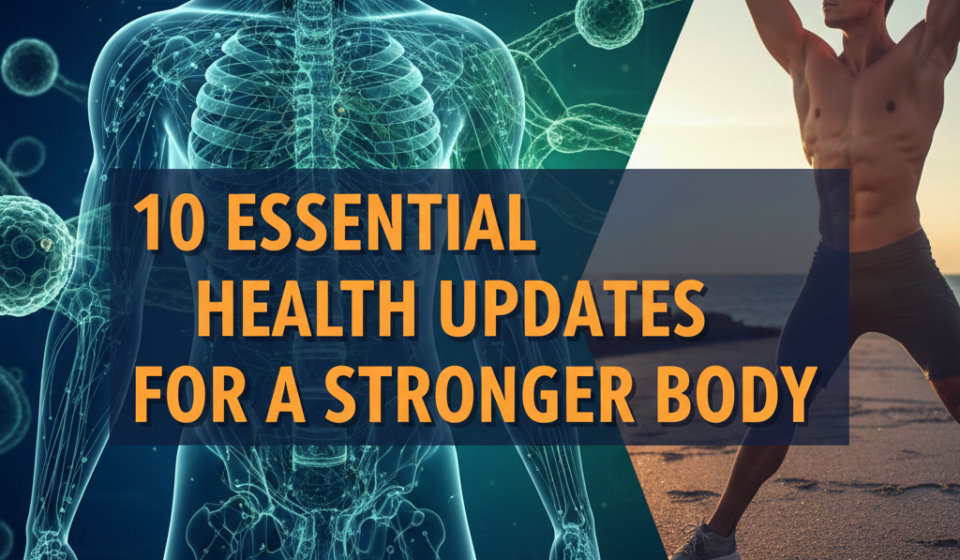
Unfortunately, building a better body is not about quick fixes or miracle cures. It’s all about making smart, sustainable changes that pile up over time. So whether you’re at the start of your wellness journey, or simply want to take your existing routine up a gear or two, below are 10 essential health updates that will enable you to create a body that is more resilient, energetic and well-equipped for whatever lies ahead.
The best part? You don’t need an expensive gym membership, a complex meal plan or to have all the time in the world. These updates also fit into life, with practical strategies that work. Let’s get to it — the health changes that are going to have the greatest impact on how you look, feel and perform, every day.
1. Make Sure You’re Drinking More Water Than You Think You Need
According to some experts, most people walk around mildly dehydrated without realizing it. Your body is made up of about 60% water and all of your cells rely on good hydration to work correctly.
How Much Water Do You Actually Need?
The old “8 glasses a day” adage is passé. The best way is to drink half of your body weight in ounces. If you weigh 160 pounds, shoot for eight ounces of water eight times per day. People who are active, athletes or those living in hot climates require even more.
Signs You’re Not Drinking Enough
- Dark yellow urine
- Constant fatigue
- Dry skin and lips
- Headaches in the afternoon
- Difficulty concentrating
Begin with 16 ounces of unadulterated water upon waking. Carry a reusable bottle everywhere. Set phone reminders if needed. Within two weeks, you’ll experience increased energy and a lack of breakouts and bloating.
2. Prioritize Protein at Every Meal
Protein isn’t just for bodybuilders. It’s the building block your body needs to repair tissue, build muscle and keep your metabolism humming.
The Protein Power Chart
| Body Weight | Minimum Daily Protein | Active Person Target |
|---|---|---|
| 120 lbs | 60g | 90-120g |
| 150 lbs | 75g | 112-150g |
| 180 lbs | 90g | 135-180g |
| 200 lbs | 100g | 150-200g |
Easy Ways to Add More Protein
Include protein with breakfast. Starting the day with a cup of Greek yogurt, eggs or a protein smoothie helps set an upward trajectory for the rest of the day. Make protein the star of your plate at lunch and dinner. About a quarter of the plate should be filled with chicken, fish, beans or tofu — for adults that is 3 to 4 ounces — and another quarter should be starch — like potatoes, rice or pasta.
Snacks count too. Swap the chips for nuts, cheese sticks or beef jerky. Your muscles, bones and immune system will thank you.

3. Get Up and Move Your Body at Least Every Single Hour
Sitting is the new smoking. But even if you work out an hour a day, sitting for the other 15 is detrimental to your health.
The Hourly Movement Rule
If you can, set a timer for every 50 minutes. When it goes off, get up and go for at least 2 to 3 minutes. Take a lap around your home or office. Do 10 squats. Stretch your arms overhead. Dance to one song. Anything that takes you out of your chair counts.
This simple practice enhances circulation, relieves back discomfort, increases mental clarity and has the potential to add years to your life. Research also demonstrates that people who move frequently throughout the day tend to have a lower risk of heart disease, diabetes and obesity than those whose activity is concentrated in one or more daily bursts.
Quick Movement Breaks to Try
- Walk up and down stairs twice
- Do wall push-ups
- March on the spot and check your phone
- Simple yoga stretches
- Walk outside for fresh air
4. Sleep Like Your Life Depends on It (Because It Does)
Sleep isn’t lazy. It’s when your body heals damage, consolidates memories, balances hormones and fortifies the immune system.
Creating the Perfect Sleep Environment
Your sleeping environment should be cool (65-68°F), pitch black, and silent. Consider investing in blackout curtains if streetlights illuminate your windows. If necessary, use a fan as white noise.
The 10-3-2-1-0 Sleep Formula
- 10 hours before bed: Cut off the caffeine
- 3 hours before bedtime: No large meals, and no alcohol
- 2 hours before bed: Work or hard, stressful activity ends
- 1 hour before bed: Remove all screens
- 0: How many times you press snooze
7 to 9 hours of high-quality sleep is required by most adults. Establishing a consistent bedtime and wake-up time every day (yes, even weekends) helps regulate your internal clock so if you manage to finally find a moment, sleep is easier and more restorative.
5. Cut Added Sugar Dramatically
Sugar hides everywhere. Both bread, salad dressing, pasta sauce, yogurt — even those “healthy” granola bars — can have a startling amount of added sugar in them.
Sugar’s Damage to Your Body
Sugar overload leads to inflammation, weight gain, energy slumps, risk for disease, aging issues (prematurely), and mood swings. The American Heart Association advises no more than 25 grams (6 teaspoons) of added sugar per day for women, and no more than 36 grams (9 teaspoons) a day for men.
Where Sugar Hides
| Food Item | Added Sugar Content |
|---|---|
| 1 can of soda | 39g (10 teaspoons) |
| Flavored yogurt (6 oz) | 19g (5 teaspoons) |
| Granola bar | 12g (3 teaspoons) |
| Bottled smoothie | 30g (7.5 teaspoons) |
| BBQ sauce (2 tbsp) | 16g (4 teaspoons) |
Read labels carefully. The further down the list sugar appears, the better. Watch out for less-than-obvious names like corn syrup, dextrose, maltose or anything ending in “-ose.”
Switch out sugary drinks for water, unsweetened tea or sparkling water with a hint of fruit juice. Opt for plain yogurt and throw in your own fresh fruit. Your taste buds will adapt within a couple of weeks and you will be amazed at how sickly sweet processed food really tastes.
6. Build Muscle Through Strength Training
Cardio is cool, but resistance training changes body composition and metabolism in a way that running never will.
Why Muscles Matter
Lean body mass burns more calories at rest than fat mass. It’s simple math: more muscle means a faster metabolism, even when you are sleeping. It also increases bone density, staves off age-related muscle loss, strengthens your balance and coordination, and builds confidence.
Getting Started Without a Gym
Physical strength doesn’t require fancy equipment. Bodyweight exercises work incredibly well:
- Push-ups for chest, shoulders and triceps
- Squats for legs and glutes
- Planks for core stability
- Lunges for leg strength and balance
- Rows (using resistance bands)
Try to have 2-3 strength sessions a week. Concentrate on good form rather than heavy weight or reps, and beginners should aim for 2-3 sets of 8-12 reps on each exercise. For more fitness updates and workout tips, staying consistent with your training routine is key to long-term success.
7. Eat Food That Your Grandmother Would Recognize
The healthiest diet isn’t complicated. Eat anything that looks like it came out of nature, not a factory.
The Real Food Test
If it has more than five ingredients or includes words you can’t pronounce, then it is very likely highly processed. Focus on whole foods: vegetables, fruits, whole grains, legumes (like beans and lentils), nuts and seeds, fish, eggs and lean meats.
Simple Meal Template
Half of your plate should be filled with vegetables. Throw in a protein that fits in the palm of your hand. Add one portion of whole grain or starchy vegetables the size of your fist. Toss in a thumb-size portion of healthy fats such as avocado, nuts or olive oil.
This template applies no matter what you eat — vegetarian, keto, paleo or Mediterranean. It emphasizes the nutrient density of a given food over its prescriptive rules.
Shopping the perimeter of the store is a good idea. That’s where the fresh produce, meat, dairy and eggs are. You will also find processed foods in the middle aisles.
8. Handle Stress or It Will Handle You
Chronic stress kills your body from the inside out. It increases cortisol, which contributes to weight gain (especially in the belly), compromised immunity, bad sleep and digestive issues — along with premature aging.
Daily Stress-Busting Techniques
Deep breathing: Practice taking 5 slow, deep breaths when tension starts to mount. Inhale for 4, hold for 4, exhale for 6.
Time in nature: As few as 20 minutes outdoors lowers stress hormones dramatically. Take a walk in a park, sit by water or just go outside and look at the sky.
Digital detox: Give limits to technology. No phones during meals. No checking email after 7 PM. One complete day per week without media.
Creative pursuits: Whether you draw, journal, play music or use your hands for any number of hobbies, tapping into different parts of your brain provides an escape.
When to Seek Help
If stress is having an impact on your sleep, your relationships, your work performance or your physical health, get in touch with a professional. You are not weak if you seek therapy; you are as strong as anyone else who is trying to stay healthy.
9. Connect with People Who Share Common Health Goals
Willpower will never work as well as your environment shaping your habits. When you are surrounded by health-conscious individuals, wellness becomes easier and more pleasurable.
Finding Your Health Community
- Join a local walking group
- Try a group fitness class at your community center
- Join online communities committed to healthy living
- Cook together with friends or family, sharing healthy meals
The Social Influence Effect
Studies suggest that you are 57 percent more likely to be obese if you count not just close friends but also distant third-degree pals who gain weight. The reverse is also true. By hanging out with friends who value health, you’ll start taking on better habits by osmosis (social influence).
Don’t dump your old friends, but do connect with those who encourage you to be the best version of yourself. Propose active hangouts rather than constantly getting together for food or drinks. Take hikes, sample new workout classes together or establish a healthy cooking club.
10. Monitor Your Progress (Not Just Weight)
The number on the scale provides you with almost no information about your health. Better metrics provide real information about how your body is evolving.
Measurements That Actually Matter
| Metric | Why It Matters | How to Measure |
|---|---|---|
| Energy levels | Indicates overall wellbeing | Rate 1-10 daily |
| Sleep quality | Shows recovery status | Track hours and how rested you feel |
| Strength gains | Proves fitness progress | Count push-ups or time your plank |
| Waist measurement | Better than weight for health risk | Measure around belly button |
| How clothes fit | Shows body composition changes | Try on same outfit monthly |
Progress photos at two-week intervals. Take measurements of your waist, hips, chest and thighs monthly. Log your workouts and celebrate new personal bests!
Non-Physical Wins to Celebrate
Observe positive changes in mood, clarity of thought, ease with stress and self-confidence. They are usually manifested before physical changes occur and they should be acknowledged.
Bringing It Home: Your 30-Day Health Update Plan
Do not attempt to make all 10 updates simultaneously. That’s just too much, and it ultimately results in burnout. Instead, adopt this gradual approach.
Week 1: Start hydrating and getting enough sleep. Get seven to nine hours of sleep, and make sure to drink half your body weight in ounces of water each day.
Week 2: Add some protein to every meal, and begin the habit of hourly movement.
Week 3: Start reading labels and reducing added sugar. Begin two days of strength training this week.
Week 4: Work on managing stress and incorporate more whole foods into your diet.
After 30 days, you’ll have created a strong base. Then keep working on these habits, and make them automatic part of your behavior.

Frequently Asked Questions
Q: When will I start seeing results as a result of these health updates?
A: You will see results fast and feel it within 1-2 weeks as an increase in energy, better sleep. Physical changes such as weight loss or gaining muscle mass usually are noticeable between 4-6 weeks of sustained effort. Keep in mind that taking care of your health is a marathon, not a sprint.
Q: Can I still eat treats and have a strong body?
A: Absolutely. The 80/20 rule is a good one—keep to wholesome, healthy foods most of the time and save treats for a small percentage of your life. It keeps you on track and prevents you from feeling like you are depriving yourself.
Q: What if I don’t have an hour a day to work out?
A: You don’t have to do workouts that are an hour long. Three 20-minute strength sessions plus hourly movement breaks is very effective. Quality beats quantity every time.
Q: Do I need supplements for a stronger body?
A: The majority of individuals are able to meet their nutritional needs through whole foods. Supplements that you may need to have are vitamin D (if you live in the northern parts), B12 (for vegetarians/vegans) and maybe magnesium. Always talk to a physician before trying any supplement.
Q: How can I maintain my motivation when it’s slow going?
A: Work on the process, not just outcomes. Celebrate showing up consistently. Track multiple metrics beyond weight. Find activities you genuinely enjoy. It’s not always straightforward progress, but labor always brings forth fruit in the end.
Q: Which update is most necessary to make first?
A: Sleep. Everything else is better with good sleep — you make better food choices, perform better at exercise, manage stress and recover from it. If there’s one thing you can do, it’s to focus on getting some 7-9 hours of quality sleep each night.
Conclusion: Small Changes, Massive Results
You don’t need to be perfect in order to build a stronger body. It’s about getting back to basics, hard work and fundamentals: hydration, protein, moving often, sleep well and sugar low, lifting things up and putting them down so you get stronger while eating as close to the source as possible, checking stress levels at the door by loving those in your circle that build you up all with a gentle accountability match.
Begin with one or two updates that feel most doable for you right now. Master those before adding more. Keep in mind you are creating patterns that will last a lifetime, not adhering to a temporary diet or exercise plan.
Your body is remarkably adaptable. Feed it properly — with good nutrition, regular movement, ample restoration and stress management — and it will reward you with a higher energy level, improved health markers, better physical performance, a quality of life that allows you to do what you love well into your later years.
The smartest version of you is waiting. These 10 crucial health upgrades are your map to that destination. Take that first step today, and continue to progress with small upgrades one at a time. Your future self will thank you for investing in yourself now.