
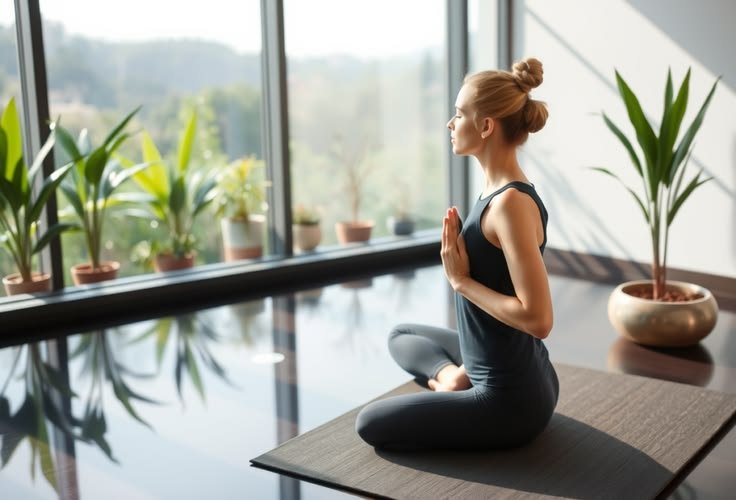

8 Secret Fitness Updates Natural Remedies That Actually Work
There is a quiet shift happening in the way people approach fitness. Not loud, not flashy, and definitely not driven by expensive equipment or complex routines. Instead, it leans into something older, more grounded, and surprisingly effective—natural remedies and small, intentional updates to daily habits.
If you’ve ever felt overwhelmed by conflicting fitness advice or exhausted by routines that demand more than you can consistently give, this approach offers something refreshing. It’s not about doing more; it’s about doing smarter. It’s about understanding how your body responds to subtle changes and letting nature do some of the heavy lifting.
This article explores eight lesser-known yet powerful fitness updates rooted in natural remedies. These are not trends you’ll see plastered across billboards, but rather practices quietly transforming how people build strength, improve endurance, and restore balance in their lives.
Let’s step into a world where fitness feels less like a chore and more like a rhythm.
- hydration layering instead of plain water intake
Most people think hydration is simple—drink water, stay healthy. But the body doesn’t just need water; it needs balance. Minerals, electrolytes, and timing all play a role in how effectively your body absorbs fluids.
Hydration layering is a concept that involves structuring your fluid intake throughout the day with natural additions. Instead of relying solely on plain water, you rotate between:
- water with a pinch of sea salt
- lemon-infused water
- coconut water
- herbal infusions like mint or basil
This approach supports electrolyte balance, improves digestion, and helps muscles recover faster. Athletes have quietly used variations of this for years, but it’s now becoming more accessible.
A simple daily rhythm might look like starting your morning with warm lemon water, sipping plain water mid-morning, adding coconut water post-workout, and ending your day with a calming herbal infusion.
It’s not about drinking more—it’s about drinking smarter.
- movement snacking instead of long workouts
The idea that fitness requires one long, intense session is slowly fading. Enter “movement snacking,” a concept that breaks exercise into small, frequent bursts throughout the day.
Think of it as tiny investments in your physical health:
- 10 squats while waiting for your tea
- a quick stretch break every hour
- a 5-minute brisk walk after meals
- a short bodyweight routine before bed
These micro-sessions improve circulation, keep metabolism active, and reduce the stiffness that comes from long periods of sitting.
What makes this approach powerful is consistency. It removes the psychological barrier of needing “time” for fitness. Instead, movement becomes woven into your daily life.
Over time, these small efforts accumulate into meaningful strength and endurance gains.
- herbal recovery boosters
Recovery is often overlooked, yet it’s where real progress happens. Natural herbs have been used for centuries to support muscle repair, reduce inflammation, and improve sleep quality.
Some of the most effective options include:
- turmeric for its anti-inflammatory properties
- ginger to reduce muscle soreness
- ashwagandha for stress regulation and recovery
- chamomile for better sleep
You don’t need complicated supplements. Simple practices like adding turmeric to meals, drinking ginger tea after workouts, or having chamomile tea before bed can significantly enhance recovery.
When your body recovers better, it performs better. It’s a cycle that builds strength without burnout.

- barefoot grounding for stability and strength
Modern footwear has disconnected us from the ground—literally. Barefoot grounding, or simply walking barefoot on natural surfaces like grass or sand, is gaining attention for its surprising benefits.
This practice helps:
- strengthen foot muscles
- improve balance and posture
- reduce joint stress
- enhance body awareness
The feet contain thousands of nerve endings. When you walk barefoot, these nerves send signals that help your body adjust and stabilize more effectively.
Even a few minutes a day can make a difference. Whether it’s a walk in a park or standing barefoot on soil, this simple habit reconnects your body with natural movement patterns.
- breathing resets for performance and stress
Breathing is automatic, but intentional breathing can transform your fitness journey. Many people unknowingly breathe shallowly, limiting oxygen intake and increasing fatigue.
Breathing resets are short sessions where you focus on controlled, deep breathing patterns. For example:
- inhale for 4 seconds
- hold for 4 seconds
- exhale for 6 seconds
This activates the parasympathetic nervous system, reducing stress and improving recovery.
Before workouts, breathing exercises can enhance performance. After workouts, they help your body transition into recovery mode.
Over time, better breathing leads to better endurance, improved focus, and a calmer mind.
- natural energy timing instead of stimulants
Caffeine is often the go-to for energy, but relying on it can mask underlying fatigue. A more sustainable approach is aligning your activities with your body’s natural energy cycles.
This means:
- doing intense workouts during peak energy hours
- using sunlight exposure to regulate your internal clock
- eating balanced meals to maintain steady energy levels
Morning sunlight, for instance, helps reset your circadian rhythm, improving both energy and sleep quality.
Instead of forcing energy through stimulants, you work with your body’s natural rhythms. The result is more consistent performance without crashes.
- functional strength using everyday objects
Not everyone has access to a gym, and frankly, not everyone needs one. Functional strength can be built using everyday objects:
- lifting water containers
- carrying groceries with intention
- using stairs for resistance
- practicing balance while doing chores
These activities mimic real-life movements, making your strength more practical and usable.
The beauty of this approach is that it integrates fitness into your daily routine. You’re not setting aside time to exercise—you’re turning your life into exercise.
It’s simple, effective, and surprisingly empowering.
- sleep rituals as a fitness tool
Sleep is often treated as passive, but it’s one of the most active contributors to fitness. Poor sleep can undo even the best workout routine.
Creating a natural sleep ritual can dramatically improve recovery and performance. This might include:
- dimming lights in the evening
- avoiding screens before bed
- drinking calming herbal tea
- maintaining a consistent sleep schedule
Quality sleep supports muscle repair, hormone balance, and mental clarity.
Think of sleep not as rest, but as a critical part of your training. When you improve your sleep, everything else improves with it.

bringing it all together
What makes these eight updates powerful is not their complexity, but their simplicity. They don’t demand drastic changes or expensive investments. Instead, they invite you to pay attention—to your body, your environment, and your habits.
Fitness doesn’t have to be a separate part of your life. It can exist within it, quietly shaping your health in the background.
Start small. Choose one or two practices and integrate them into your routine. Notice how your body responds. Over time, these small shifts can lead to profound changes.
The secret isn’t doing everything at once. It’s doing the right things consistently.
frequently asked questions
- how long does it take to see results from these natural fitness updates?
Results can vary depending on consistency and individual factors, but many people notice improvements in energy, flexibility, and recovery within 2 to 4 weeks. Long-term benefits become more evident over a few months. - can these methods replace traditional workouts?
They can complement or, in some cases, replace traditional workouts depending on your goals. For general fitness and well-being, these methods are highly effective. For specific goals like bodybuilding, you may still need structured training. - are herbal remedies safe for everyone?
Most natural herbs are safe when used in moderation, but it’s important to consider allergies, existing conditions, or medications. When in doubt, consult a healthcare professional. - how do i stay consistent with these small habits?
Start with one habit at a time and attach it to an existing routine. For example, drink lemon water after brushing your teeth or do movement snacks during work breaks. Consistency grows from simplicity. - is barefoot grounding safe in urban environments?
It can be safe if you choose clean, controlled areas like parks or your home garden. Avoid walking barefoot in unsafe or contaminated environments. - what if i don’t have time for all these practices?
You don’t need to do everything. Even incorporating one or two of these updates can make a noticeable difference. The goal is progress, not perfection.
In the end, fitness is not about extremes. It’s about alignment—between your body, your habits, and your environment. These natural remedies and subtle updates offer a path that is not only effective but sustainable, making health something you live with, not chase after.