
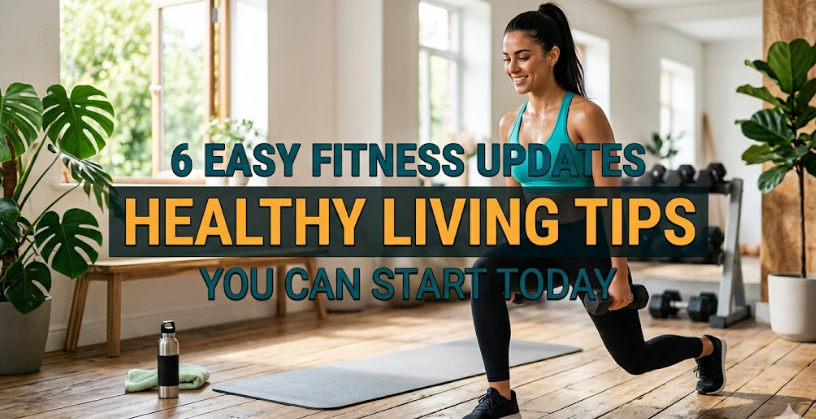

6 Easy Fitness Updates Healthy Living Tips You Can Start Today
There’s a quiet shift happening in how people approach fitness and healthy living. It’s no longer about punishing routines, extreme diets, or chasing perfection. Instead, it’s about small, practical changes that fit into real lives—especially the messy, busy, unpredictable ones most of us actually live.
If you’ve ever felt like getting healthy requires a complete life overhaul, this article is here to challenge that idea. The truth is, meaningful change often begins with the simplest updates—ones you can start today, without waiting for motivation, money, or the “perfect time.”
This guide explores six easy fitness updates that double as healthy living tips. These aren’t trends or hacks. They’re grounded, flexible, and sustainable practices that build momentum over time. Think of them as gentle upgrades rather than strict rules.
You don’t need to do all six at once. Even starting with one can shift how you feel—physically and mentally.
Let’s begin.
- Make movement part of your daily rhythm, not a separate task
One of the biggest misconceptions about fitness is that it only “counts” if it happens in a gym or follows a structured workout plan. That belief alone stops many people from even starting.
Instead of treating exercise as something extra, try weaving movement into your existing routine.
Start by asking simple questions:
- Can I walk while taking phone calls?
- Can I stretch while watching TV?
- Can I take the stairs instead of the elevator?
These small choices don’t feel like workouts, but they add up. Over time, they rewire how your body expects to move.
Imagine your day like a series of opportunities rather than obstacles. Waiting for water to boil? Do a few squats. Sitting for long hours? Stand and stretch every 30 minutes.
What makes this approach powerful is its flexibility. You don’t need special equipment, a membership, or even a specific time slot. Movement becomes natural, not forced.
A practical way to begin:
- Set a timer every hour as a reminder to move
- Aim for 5–10 minutes of light activity each time
- Track how many times you move in a day, not how long
This mindset shift alone can significantly improve energy levels, posture, and overall well-being.

- Upgrade your hydration habits
Water is often overlooked because it feels too simple. But hydration plays a crucial role in energy, metabolism, focus, and even mood.
Instead of just telling yourself to “drink more water,” create systems that make it easier.
Start with awareness. Most people don’t actually know how much water they drink in a day.
Try this:
- Carry a reusable bottle with marked measurements
- Set mini goals (finish one bottle before lunch, another before dinner)
- Add natural flavors like lemon, mint, or cucumber if plain water feels boring
Hydration doesn’t have to come only from water. Foods like fruits, vegetables, and soups contribute too.
A helpful trick is habit pairing. Link drinking water to something you already do:
- Drink a glass after brushing your teeth
- Take a sip every time you check your phone
- Hydrate before and after meals
The effects of proper hydration show up quickly:
- Better digestion
- Reduced fatigue
- Clearer thinking
- Fewer unnecessary cravings
If you often feel tired or sluggish, dehydration might be part of the problem.
- Focus on consistency over intensity
It’s easy to get motivated for a few days and go all-in—intense workouts, strict eating, major changes. But what usually follows is burnout.
Consistency is quieter, but far more effective.
Doing something small every day beats doing something extreme once in a while.
For example:
- 15 minutes of walking daily is better than a 2-hour workout once a week
- 10 push-ups every day build more strength than occasional intense sessions
The goal is to create habits that don’t feel overwhelming.
Start small:
- Choose a time of day for movement (morning, lunch break, evening)
- Keep it short enough that you can’t say no
- Repeat it daily until it feels automatic
There’s a psychological benefit here too. When you show up consistently, you build trust in yourself. That matters more than any single workout.
You don’t need to “feel like it” every day. You just need to show up.
- Improve your sleep as part of your fitness routine
Sleep is often treated as separate from fitness, but it’s one of the most important factors in health.
Without good sleep:
- Recovery slows down
- Energy drops
- Motivation fades
- Hormones become unbalanced
Instead of squeezing sleep around your schedule, start prioritizing it.
Simple improvements can make a big difference:
- Set a consistent sleep and wake time
- Reduce screen use before bed
- Keep your room cool and dark
Create a wind-down routine:
- Read a book
- Stretch lightly
- Listen to calming music
Think of sleep as your body’s repair system. Every time you rest well, you’re supporting your fitness goals—even if you didn’t exercise that day.
If you struggle with sleep, don’t try to fix everything at once. Start with one change, like going to bed 15 minutes earlier.
Over time, better sleep leads to better decisions during the day—especially around food and activity.
- Build a simple, realistic eating pattern
Healthy eating doesn’t have to be complicated. The problem is that many diets are too restrictive to maintain.
Instead of following strict rules, aim for balance.
A simple approach:
- Include protein, carbs, and healthy fats in most meals
- Add more whole foods (fruits, vegetables, grains)
- Reduce ultra-processed foods gradually
Avoid the “all or nothing” mindset. One unhealthy meal doesn’t ruin your progress, just like one healthy meal doesn’t fix everything.
Focus on patterns, not perfection.
Practical tips:
- Prepare meals ahead of time when possible
- Keep healthy snacks accessible
- Eat slowly and pay attention to hunger cues
Also, don’t ignore enjoyment. Food is not just fuel—it’s part of life. Finding healthier versions of foods you love makes the process sustainable.
For example:
- Swap sugary drinks for flavored water
- Choose grilled instead of fried options
- Add vegetables to dishes you already enjoy
These small changes are easier to maintain than drastic diets.
- Track progress in ways that actually motivate you
Many people rely only on weight as a measure of progress. But that can be misleading and discouraging.
There are many other ways to track improvement:
- Energy levels throughout the day
- Strength (lifting heavier, doing more reps)
- Endurance (walking longer distances)
- Mood and mental clarity
- Sleep quality
Consider keeping a simple journal:
- What did you do today?
- How did you feel?
- What went well?
You might notice patterns you wouldn’t otherwise see.
For example, you may realize:
- You feel better on days you move more
- Certain foods improve your energy
- Good sleep leads to better workouts
Tracking doesn’t have to be complicated. Even a few notes on your phone can help.
The key is to focus on progress that feels meaningful—not just numbers.

Bringing it all together
You don’t need a complete lifestyle overhaul to get healthier. You need small, consistent updates that fit into your life.
Here’s a simple way to start:
- Pick one tip from this list
- Practice it for a week
- Add another once it feels natural
This layered approach builds habits gradually, making them more likely to stick.
Remember:
- Progress is not linear
- Some days will be better than others
- What matters is continuing, not being perfect
Healthy living is not a destination. It’s a series of choices you make daily.
And the best part? You can start today—with something as small as a glass of water or a short walk.
FAQs
- How long does it take to see results from small fitness changes?
It depends on the individual, but many people notice improved energy and mood within a few days. Physical changes may take a few weeks, but consistency is the key factor. - Can I get fit without going to the gym?
Yes, absolutely. Daily movement, bodyweight exercises, walking, and home workouts can be very effective when done consistently. - What if I don’t have time to exercise?
You don’t need long sessions. Even 10–15 minutes of movement spread throughout the day can make a difference. - Is it okay to take rest days?
Yes. Rest is essential for recovery and overall health. Listening to your body helps prevent burnout and injury. - Do I need to follow a strict diet to be healthy?
No. A balanced, flexible approach to eating is more sustainable and effective in the long term than strict dieting. - How do I stay motivated over time?
Focus on building habits rather than relying on motivation. Start small, stay consistent, and track progress in ways that feel rewarding.
If you take anything from this, let it be this: change doesn’t have to be dramatic to be meaningful. Small steps, taken consistently, can reshape your health, your mindset, and your daily life in ways that last.