
10 fast fitness updates anxiety relief tips you can try today
There are moments when anxiety doesn’t politely wait for the “right time.” It shows up in the middle of a workday, during a quiet evening, or just as you’re about to sleep. And while long-term solutions like therapy, structured exercise plans, or lifestyle changes are incredibly valuable, sometimes what you need most is something immediate—something that works right now.
That’s where fast fitness updates come in. These aren’t intense workouts or complicated routines. Think of them as small, strategic physical actions that gently interrupt the stress cycle, bring your body back to balance, and give your mind a breather. The beauty of these techniques lies in their simplicity—you can do them almost anywhere, often without anyone even noticing.
Below are ten practical, fast-acting fitness-based tips that can help reduce anxiety today. Each one taps into how your body and mind communicate, helping you shift out of that tense, overwhelmed state into something calmer and more manageable.
- reset your breathing with structured rhythm
Anxiety often hijacks your breathing before you even notice it. It becomes shallow, fast, and uneven. This sends a signal to your brain that something is wrong—even if there isn’t any immediate danger.
A quick fix is to consciously regulate your breath. Try a simple pattern: inhale for four seconds, hold for four, exhale for six. The longer exhale is key—it activates your parasympathetic nervous system, which is responsible for calming you down.
You don’t need a quiet room or yoga mat. You can do this sitting at your desk, standing in a line, or even walking. Within a couple of minutes, your heart rate will begin to slow, and your mind will follow.
- take a brisk five-minute walk
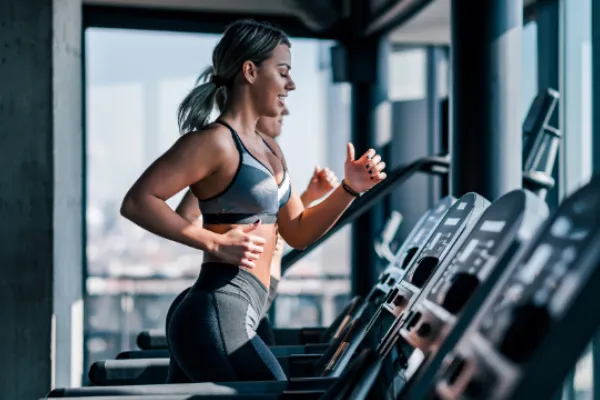
You don’t need a full workout session to benefit from movement. Even five minutes of brisk walking can shift your mental state. When you move your body, you stimulate circulation and release endorphins—natural chemicals that improve mood.
If you can step outside, even better. Natural light and fresh air amplify the effect. But if not, simply pacing indoors or climbing stairs can work too.
The goal isn’t distance or speed. It’s interruption. You’re breaking the anxiety loop by giving your body something else to focus on.
- shake out tension physically
Animals in the wild often shake after a stressful encounter. It’s a natural way to release built-up tension. Humans rarely do this, but we can—and it works surprisingly well.
Stand up and gently shake your arms, hands, shoulders, and even your legs. Let it be loose and unstructured. It might feel a bit odd at first, but after 30–60 seconds, you’ll likely feel a subtle release.
This technique helps discharge the physical energy that anxiety builds up in your muscles.
- do a quick body scan with movement
Instead of sitting still and trying to “relax,” combine awareness with gentle movement. Start at your neck and slowly roll it side to side. Then move to your shoulders—lift and drop them. Continue down your body, stretching each area briefly.
This isn’t about flexibility. It’s about reconnecting with your body. Anxiety often pulls you into your thoughts; this brings you back into physical awareness.
By the time you reach your legs and feet, you’ll likely notice that your mind has quieted down.
- wall push exercise for grounding
Find a wall and place your hands against it. Then push—not hard enough to strain, but enough to feel resistance. Hold for 10–15 seconds, release, and repeat.
This simple exercise does two things. First, it activates your muscles, giving your body a sense of stability. Second, it creates a grounding sensation, helping you feel more present and less “floaty” or overwhelmed.
It’s especially useful during moments of acute anxiety when you feel disconnected or uneasy.
- try a 60-second plank or hold
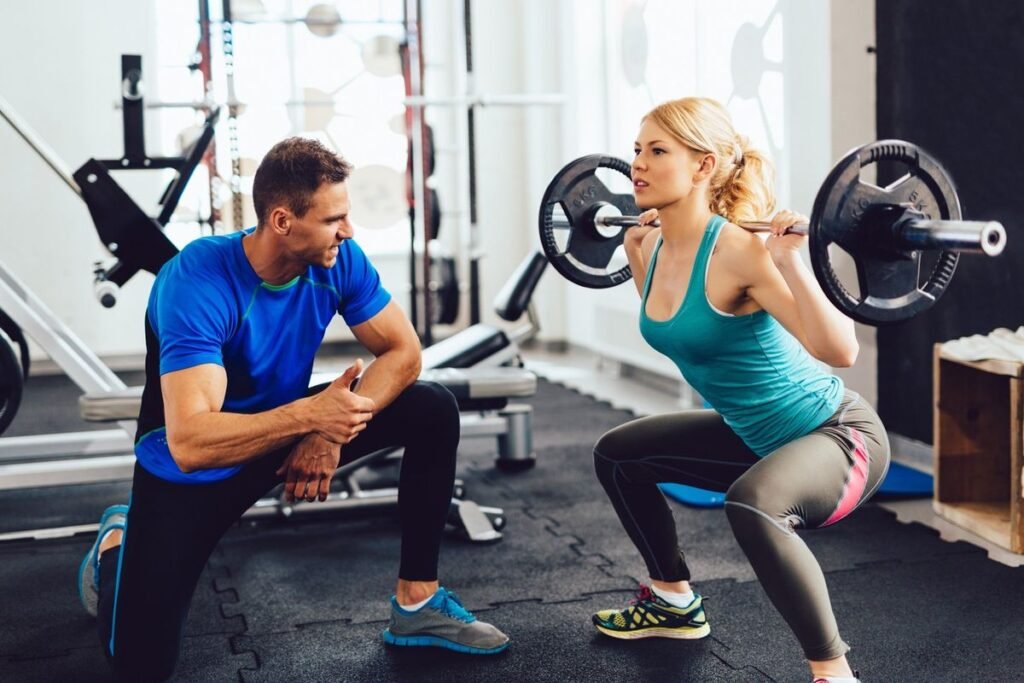
Static holds like planks are powerful because they demand focus. When you’re holding a position, your brain shifts attention away from anxious thoughts and onto maintaining form.
You don’t have to aim for perfection. Even a 30–60 second hold is enough. If a plank feels too intense, try a wall sit or simply holding a squat position.
The physical effort acts as a reset button, often leaving you with a clearer, calmer mind afterward.
- engage in rhythmic movement
Repetitive, rhythmic movements—like skipping rope, lightly jogging in place, or even tapping your feet—can have a soothing effect on the nervous system.
There’s a reason activities like dancing or running feel therapeutic. Rhythm creates predictability, and predictability feels safe to the brain.
Pick a simple movement and stick with it for a couple of minutes. Let the rhythm take over. You don’t need music, but if you have it, it can enhance the experience.
- stretch your chest and open your posture
Anxiety tends to pull your body inward—shoulders hunched, chest tight, head forward. This posture reinforces the feeling of stress.
Reverse it intentionally. Stand or sit up straight, roll your shoulders back, and gently stretch your chest by opening your arms wide.
Hold the position for 20–30 seconds while breathing deeply. This not only relieves physical tightness but also sends a subtle signal of confidence and openness to your brain.
It’s a small shift, but it can noticeably change how you feel.
- use hand grip or squeeze exercises
Sometimes anxiety needs an outlet. A simple hand grip exercise can provide that. You can use a stress ball, a towel, or just your fists.
Squeeze tightly for a few seconds, then release. Repeat several times.
This creates a cycle of tension and relaxation, helping your body let go of built-up stress. It’s also discreet—you can do it almost anywhere without drawing attention.
- combine movement with mindful counting
This is a powerful combination technique. Choose a simple movement—like stepping side to side or raising your arms—and pair it with counting.
For example, step left and count “one,” step right and count “two,” and continue up to ten, then start again.
The movement engages your body, while the counting occupies your mind. Together, they create a dual focus that makes it harder for anxious thoughts to dominate.
Even two or three minutes can make a difference.
why fast fitness works for anxiety
It’s easy to underestimate small actions, especially when anxiety feels overwhelming. But your body doesn’t need grand gestures to shift states. It responds to signals—and these quick fitness updates are exactly that.
Movement changes your physiology. It affects your breathing, heart rate, muscle tension, and even your brain chemistry. When these elements shift, your mental state follows.
Another key factor is control. Anxiety often comes with a sense of helplessness. Doing something—anything physical—restores a sense of agency. You’re no longer just reacting; you’re actively changing your state.
making these tips part of your day
You don’t have to wait for anxiety to appear before using these techniques. In fact, they work even better when used proactively.
Try integrating one or two of them into your routine:
- a short walk between tasks
- a breathing reset before meetings
- a quick stretch before bed
Over time, these small habits build resilience. Your body becomes more familiar with calm states, and it becomes easier to return to them when needed.
common mistakes to avoid
One mistake people make is expecting instant, dramatic results. While these techniques can provide quick relief, they’re not magic switches. Think of them as nudges rather than cures.
Another mistake is overcomplicating things. The effectiveness of these tips lies in their simplicity. You don’t need perfect form, special equipment, or a specific environment.
Lastly, consistency matters more than intensity. Doing a small action regularly is far more beneficial than doing something intense once in a while.
final thoughts
Anxiety doesn’t always give you time to prepare. But having a set of simple, physical tools at your disposal can make a significant difference. These fast fitness updates are not about replacing deeper solutions—they’re about giving you immediate support when you need it most.
The next time anxiety creeps in, instead of trying to fight it with thoughts alone, involve your body. Move, breathe, stretch, or hold. Sometimes, the quickest way to calm your mind is to start with your body.
frequently asked questions
- can these techniques replace professional treatment for anxiety?
No, these tips are meant for quick relief and support. They can complement professional treatment but should not replace therapy, medication, or medical advice if needed. - how quickly do these fitness techniques work?
Many of them can start working within a few minutes. The exact effect varies from person to person, but even short efforts can create noticeable shifts. - what if i feel too anxious to move?
Start with the smallest possible action, like controlled breathing or squeezing your hands. Once your body begins to settle, you may find it easier to try other movements. - are these techniques safe for everyone?
Generally, yes. However, if you have any medical conditions or physical limitations, it’s best to adapt the movements or consult a professional. - how often should i use these tips?
You can use them as often as needed. They’re especially helpful during moments of stress, but using them regularly can also improve overall resilience. - which technique is the most effective?
There’s no single “best” technique. Different methods work better for different people. It’s worth trying several to see which ones feel most natural and effective for you.