
Why Modern Life Feels (And Is) Doomed Why Your New Year’s Resolutions Usually End in Failure
We’re attacked on all sides by stress. Your phone buzzes with notifications. Work or school deadlines loom over everything. Family responsibilities never stop. Your body is tense, your mind races and sleep is out of the question.
The old prescription to “just relax” isn’t very helpful when you’re in the grip of anxiety. You want real answers, and you want your work to be fast.
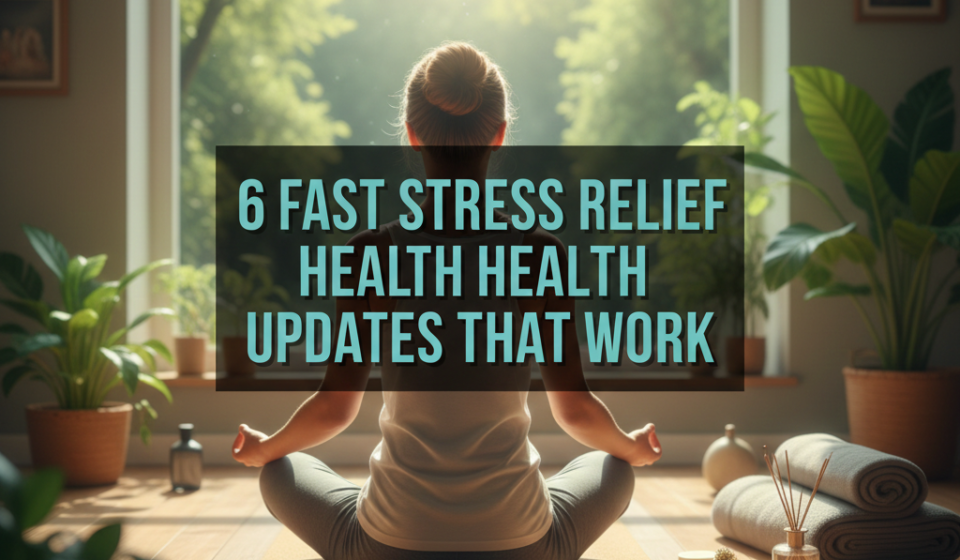
Here are six new stress relief techniques based on the latest health research. These are not theories or meditation retreats lasting weeks. Here are some practical methods you can use right now to ease yourself into feeling better within minutes.
Both methods are based on fresh scientific understanding of how our brains and bodies respond to stress. You’ll discover exactly what it is, doable and valuable steps to take because of this, and also how you can make it become part of your everyday life.
Here are the stress relief strategies that work.
The 4-7-8 Breath: Your Built-In Stress Eraser
Your breath does more than you realize. When stress strikes, your breathing becomes quick and shallow. This sets off your body’s alarm system, making anxiety worse.
The 4-7-8 breathing exercise turns this switch in the opposite direction. Dr. Andrew Weil created it after an ancient breathing technique, and new research finds it reduces stress remarkably.
Here’s how to do it:
- Inhale through your nostrils for a count of four
- Now hold that breath for 7 seconds
- Breathe out for 8 counts through your mouth
- Repeat 4 times
This sequence helps to relax the body. The long exhale triggers your parasympathetic nervous system, which encourages your body to relax.
Why This Is Better Than Normal Deep Breathing
There’s no doubt deep breathing can offer relief, but the 4-7-8 technique also brings with it specific timing that can lead to better results. The hold part raises oxygen in your blood. The specific exhalation eliminates more carbon dioxide than regular exhalation, which explains why we feel better.
Your pulse drops in 60 seconds. Your blood pressure decreases. Your mind stops racing.
Some say they feel calmer after just one cycle. Do that two times a day and the way stress impacts you overall is much less.
When to use it:
- Before important meetings or tests
- You wake up with anxiety
- At bedtime to have a good sleep
- While sitting in a traffic jam or other annoying wait
- Anytime panic starts building
Dunking Your Face in Cold Water: A Hardcore Calm-Down Shortcut
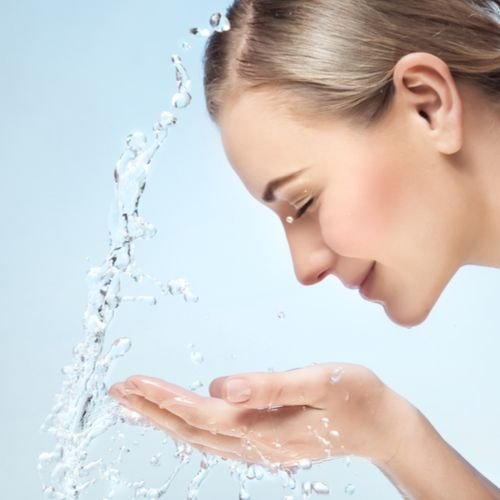
It seems too simple to be effective, but hitting your face with cold water engenders an actual physical response that short-circuits stress.
This is what scientists refer to as the “dive reflex.” The cold water on your face makes your body believe you’re diving under the sea. Your heart rate slows naturally. The blood is re-routed to vital organs. Your mind clears.
The simple method:
Put a bowl of ice-cold water in the sink. Take a deep breath and plunge your face into the water for 15-30 seconds. Don’t rise to the surface until you feel the calm engulf you.
Don’t have a bowl handy? For 30 seconds, splash your face with cold water over and over. Concentrate particularly on the forehead and under your eyes.
The Science Behind the Splash
2023 Research shows your vagus nerve apparently gets turned on when you take cold water to the face. This is the nerve that goes from your brain to your gut and it controls your body’s relaxation response.
When you jolt the vagus nerve with cold water, the message it fires throughout your nervous system is calming. The release of stress hormones like cortisol plummets. Feel-good chemicals like endorphins increase.
The effect happens within seconds. Your racing thoughts slow down. That tautness in your chest unwinds. You can think clearly again.
| Cold Water Benefits | Duration to Take Effect | Benefits Duration |
|---|---|---|
| Decrease in heart rate | 15-30 seconds | 5-10 minutes |
| Clearer thought | 30-60 seconds | 15-20 minutes |
| Reduce anxiety level | 1-2 minutes | 20-30 minutes |
| Better mood & feeling | 2-3 minutes | 30-60 minutes |
Progressive Muscle Relaxation: Let Go of Stress You Didn’t Even Know You Had
The stress you feel is in your muscles. Your shoulders hunch up toward your ears. Your jaw clenches. You don’t even realize your fists have balled up.
PMR lets you learn to let go of this hidden tension. Recent studies from 2024 have found that PMR can lower stress hormones by 38% when done consistently.
The quick version:
Start with your toes. Pinch them shut for five seconds, then let go all the way. Sense the contrast between tension and relaxation.
Move up to your calves. Tense for 5 seconds, release. Notice how relaxation feels.
Move up your body: thighs, butt, belly, chest, hands, arms, shoulders (back and front), neck and face. Tense each region for 5 seconds and then relax.
How This Differs From Simply Chilling Out
You cannot relax muscles you don’t know are tense. PMR makes you feel the difference.
When you consciously contract a muscle first, the release is far more profound. And your mind experiences what actual relaxation feels like. You will, over time, catch tension earlier and will release on your own.
The entire sequence covering your entire body takes about 10 minutes. But even a shoulders-neck-face-only two minutes is incredibly soothing.
For more comprehensive wellness strategies and health updates that improve your daily life, combining multiple techniques often provides the best results.
Key benefits of regular practice:
- Better sleep quality
- Fewer tension headaches
- Reduced muscle pain
- Lower blood pressure
- Improved focus and concentration
The 5-4-3-2-1 Grounding Technique: Stop Anxiety Spirals Immediately
Anxiety tugs you right into your head. Your mind begins churning on its own volition. You fret about things that haven’t even happened and may never happen.
The 5-4-3-2-1 grounding technique jerks you back to here and now. It works by getting your five senses to intervene in your anxious thinking.
How to do it anywhere:
Look around and name:
- 5 things you can see (the blue pen, the crack in the ceiling, your shoe, a tree, a door handle)
- 4 things you can feel (the chair on your back, your clothes on your body, the floor under your feet, your hair)
- 3 things you can hear (a car outside, someone talking and the lights humming)
- 2 things you can smell (coffee, fresh air, your own soap, cloth)
- 1 thing you can taste, even just your mouth has a flavor (mint from gum, your lunch, etc.)
Why This Stops Panic Attacks
Panic resides in the future or past. It dines on “what if” thinking. When you focus on your immediate sensations, panic has nothing to hold on to.
Your brain can’t be fully engaged AND fully anxious at the same time. Grounding forces presence.
And new neuroscience research actually demonstrates that this method engages other areas of the brain than anxiety. You are quite literally shifting the focus of your mind to places which cultivate calm rather than concern.
Students use this before tests. Business types use it to prepare for presentations. It’s for anyone to use when stress begins to spiral.
The genius of 5-4-3-2-1 is that it can be interpreted in so many different ways. You can do it quietly whenever, wherever. No one else has any idea you’re doing it.
Physical Activity Workouts: The 2-Minute Relaxation Killer
Exercise reduces stress, but when anxiety strikes, who has time for the gym?
New science is revealing that short movement breaks are nearly as effective as a long workout for immediate stress reduction. When it comes to the instant calming effect, your body doesn’t care if you do 2 minutes of exercise or 30.
Quick movement options:
- Jump in place for 30 seconds, rest and repeat 3 times
- Jumping jacks for 60 seconds continuously
- Run stairs for 2 minutes
- Keep doing push-ups until you feel your muscle fibers burning
- Dance wildly to one song
- Full intensity shadow box for 90 seconds
The key is intensity. Go hard enough here to feel your heart pounding in your chest and breathe heavily. This isn’t a gentle walk. This is explosive energy release.
The Stress Hormone Solution
Cortisol floods your system when you’re stressed. Your body readied itself for physical danger, but modern stress rarely demands physical response. The stress hormones just sit in your blood and make you miserable.
These chemicals are burned as energy during vigorous activity. Your body uses them the way they should be used. Following 2 minutes of intense activity, cortisol levels plummet.
Exercise also triggers the release of endorphins, your body’s feel-good chemicals. These counterbalance stress hormones and bring a feel of calm positivity.
No equipment is required — or even a gym membership. All you need is 2 minutes and the ability to work hard.
| Movement Type | Stress Reduction | Energy Level After | Best For |
|---|---|---|---|
| Jumping jacks | High | Energized | Morning anxiety |
| Stair running | Very high | Tired but calm | Extreme stress |
| Dancing | Moderate-high | Happy, energized | Work breaks |
| Push-ups | High | Strong, grounded | Anger or frustration |
Bilateral Stimulation: The Eye Movement Stress Hack
Your eyes can soothe your brain. It’s bizarre to even talk about it, but bilateral stimulation has now found its way into professional therapy practices as a treatment for trauma and anxiety.
It’s derived from EMDR (Eye Movement Desensitization and Reprocessing) therapy. Newer findings suggest you can even use stripped down versions on your own for stress in the daily grind of life.
Simple DIY method:
Sit comfortably. Keep your head still. Shift your eyes alone several times, left to right — imagine you’re at a slow tennis match. Do this for 30-60 seconds.
Or do this: Place your hands in front of you. Now look at your left hand, then your right hand. Repeat for a minute.
You can go left-right-left-right tapping on your knees at the same time you’re thinking about what’s stressing you, too.
What Eye Movements Can Tell Us About the Brain
As you scan your direct field of vision back and forth you are engaging both hemispheres. This alternating stimulation can help process emotional information in a novel way.
The neurons in your brain’s emotional centers get “stuck” on stress. Bilateral movements work to move it to the logical parts of your brain where you can cope with it rationally.
This is what therapists do with big trauma, but a mild form of it helps with daily stress. After as little as one minute of eye movements many people report feeling significantly calmer.
The method especially lends itself to deep breathing. For a more powerful result, do 4-7-8 breathing while moving your eyes left-right.
According to research published by the National Institutes of Health, bilateral stimulation techniques can effectively reduce anxiety symptoms when practiced consistently.
When to use bilateral stimulation:
- After upsetting news or conversations
- If you can’t get something off your mind
- Before sleep, if thoughts are preventing drowsiness from happening
- During the daytime when anxiety doesn’t quit
- Anytime you feel emotionally overwhelmed
Designing Your Own Stress Relief Protocol
Well, now you have six tools. But how do you actually use them in practice?
The best approach is stacking. Put two or three together for the ultimate effect.
Example morning routine:
- Wake up, 4-7-8 breathing (2 minutes)
- Splash cold water on your face (30 seconds)
- Do jumping jacks (60 seconds)
Total time: 3 minutes and 30 seconds. You set yourself up all day for low levels of stress.
Example emergency protocol when panic hits:
- Start 5-4-3-2-1 grounding immediately
- Follow with cold water splash to the face
- Finish with bilateral eye movements
This mix gets you from panic to calm in 5 minutes or less.
Building the Habit
Start with one technique. Practice it daily for a week. When that’s automatic, add another.
Practice before you have high stress. Use these techniques when feeling just a little bit anxious. This conditions your body to react rapidly when you truly require it.
Note what works for you. Everyone responds differently. Others can’t get enough of cold water but lack the connection to eye movements. For others, it’s spontaneous movements that are more effective than breathing techniques.
There’s no wrong answer. The best stress relief tool is the one you’ll use.
Frequently Asked Questions
How long does it take these methods to be effective?
The majority of these techniques result in noticeable relief within 1-3 minutes. Cold water face immersion is the quickest: usually within 30 seconds. Full effects take 5-10 minutes as your body’s stress response system fully shifts.
Can these kinds of methods work for me if I have an official anxiety disorder?
They can, but these methods supplement professional treatment, they don’t replace it. These precise methods are recommended by many therapists to their clients. If you’re in therapy or taking medication, keep up with those treatments and everything that follows should be seen as supplementary tools.
What if I don’t do well with one approach?
Not all stress-relief techniques work for everyone. Do each thing 3-4 times before concluding that nothing works. The method you thought was bunk may be your favorite. If something genuinely isn’t helpful and you’ve tried it more than once, concentrate on what does work for you.
How regularly do I need to work on these skills?
For prevention, start doing this practice at least once a day when you’re not stressed. This helps train your nervous system to be more calm overall. For proactive stress relief, use them whenever you know stress is coming your way as often as needed throughout the day.
Are these methods of stress relief for kids?
Absolutely. These methods are great for children 8 and older. The 5-4-3-2-1 grounding and movement bursts are kid-centric. Younger kids may need help learning the breathing patterns, but all are safe and effective for young people.
Will these be effective for chronic stress or only acute anxiety?
Both. In the moment, these techniques also help calm anxiety spikes. For chronic stress, the repetitive action of daily practice reduces your baseline level of stress. After two weeks of consistent practice, many users observe that they feel calmer overall.
Your Path to Lasting Calm
The stress will not go away from your life. Deadlines will still exist. Responsibilities won’t vanish. Life will always bring challenges.
But now you have six scientifically-proven tools that allow you to control your stress response. You’re not helpless anymore. When stress comes, you have a plan to execute.
The 4-7-8 breathing trick can make your nervous system work better in less than one minute. The reflex to immerse the face in cold water triggers an immediate natural relaxation response in your body. Progressive muscle relaxation can help you let go of tension that you didn’t even realize you were carrying.
The 5-4-3-2-1 method is so useful when anxiety spirals out of control. Explosions of movement incinerate stress hormones that make you miserable. With the bilateral stimulation, your brain is able to process those threatening thoughts more calmly.
Start today with one technique. Choose the one that feels most appealing or practical for your circumstances. There’s no time like the present to practice, regardless of how anxious you currently feel. Feel how it works.
Tomorrow, try another method. By week’s end, you will know which approaches suit your body and your life.
These are not heady meditation practices that take months to learn and years to master. These are quick, simple stress relief methods that work right away. Your body even already knows how to relax. These tricks are just to remind it how.
Seize the reins of your stress beginning today. Your calmer, more peaceful life is waiting, just a few minutes away.