
Why Your Mind (and Brain) Needs a Mental Health Upgrade
It felt like wearing a backpack full of heavy rocks all the time. Your shoulders get tired. Your mind races. Sleep becomes difficult. The good news? You don’t need expensive therapy or complex interventions to start feeling better.
Consider your mental health material as you would your phone. Sometimes all it takes is a little update to work better. These five simple mental health updates do, too. They’re little shifts that address the glitches in your daily routine that maintain anxiety running in the background.
More than 40 million Americans have anxiety disorders. That’s roughly one in five people. But most never receive help because they believe it is too time-consuming, expensive or difficult. The truth is different. Small changes to how you live every day can add up.
This article reveals to you five working practical mental health updates. No confusing medical terms. No expensive programs. Only real tactics you can begin applying today.
Mental Health Check #1: The 4-7-8 Breath Reset
Your breath does a lot more than you notice. Your breathing goes shallow and rapid at the onset of anxiety. It tells your brain that there is danger right around the corner, which results in even more anxiety. It’s a bad cycle.
Enter the 4-7-8 breathing trick that puts a stop to this vicious cycle in two minutes tops.
How to Do the 4-7-8 Breath
Sit somewhere comfortable. Put one hand on your chest and the other on your belly. Here’s what you do:
- Slowly inhale through your nose for 4 seconds
- Keep that breath in for 7 seconds
- Exhale through your mouth for 8 seconds
- Repeat this pattern 4 times
The counting also offers your anxious mind something to concentrate on other than worries. The deep, slow exhale puts your body’s natural calming mechanisms into action. Think of it as pressing the reset button for your nervous system.
Why This Works
Your body has two states: fight-or-flight and rest-and-digest. Anxiety traps you in the same fight-or-flight mode. The 4-7-8 breath switches the body into rest-and-digest mode.
Your heart rate decreases when you exhale longer than you inhale. Blood pressure decreases. Stress hormones fade. None of this requires effort to think about.
When to Use This Update
- At bedtime when your mind is still racing
- At an office presentation, when your nerves get the better of you
- After seeing bad news or reading stressful texts
- In traffic when frustration builds
- Before difficult conversations
The best part? No one can see you doing it. You can quell anxiety in a packed room without anyone else knowing.
Mental Health Update #2: The Bright Sunshine Window in the Morning
Here’s something not many people realize: the light you see in that first hour after waking up determines your mood for the rest of the day.
Your brain has a small internal clock that keeps you on your daily schedule — the circadian rhythm. This clock dictates when you feel alert, when you feel sapped and when you feel anxious. Sunlight in the morning is the reset button for this clock.
The 10-Minute Morning Rule
Go outside for 10 minutes within an hour of waking up. No sunglasses. Just park and stare into natural light.
Can’t go outside? Have a sunlit window beside you. The light must go to your eyes, not your skin. You’re not tanning. You’re updating your brain’s clock.
The Science of Sunlight and Anxiety
The morning sun does three critical things:
Boosts serotonin production: Serotonin is the feel-good brain chemical. Sunlight directs your brain to produce more of it.
Lowers nighttime cortisol: Cortisol is our stress hormone. Getting morning light means your body produces less cortisol at night, resulting in less anxiety.
Promotes better quality sleep: Poor sleep can cause more anxiety. When morning light hits, it makes you feel more tired at the right time (at night) and more awake at the right time (day).
Real Results from This Update
Research indicates that people who catch morning sunlight experience 25% less anxiety over the course of the day. They also fall asleep 30 minutes more quickly at night. And all these benefits spool out when we expose ourselves to morning light for as little as three days.
Cloudy outside? You still get benefits. Clouds don’t filter out the particular wavelengths of light that your brain is seeking. Even an overcast morning is 10 times brighter than indoor lighting.

Mental Health Update #3: The Micro-Break System of Movement
Exercise reduces anxiety. Everyone knows this. The problem? The majority of people believe that exercising is going to the gym for an hour. That’s too much when you’re already overloaded.
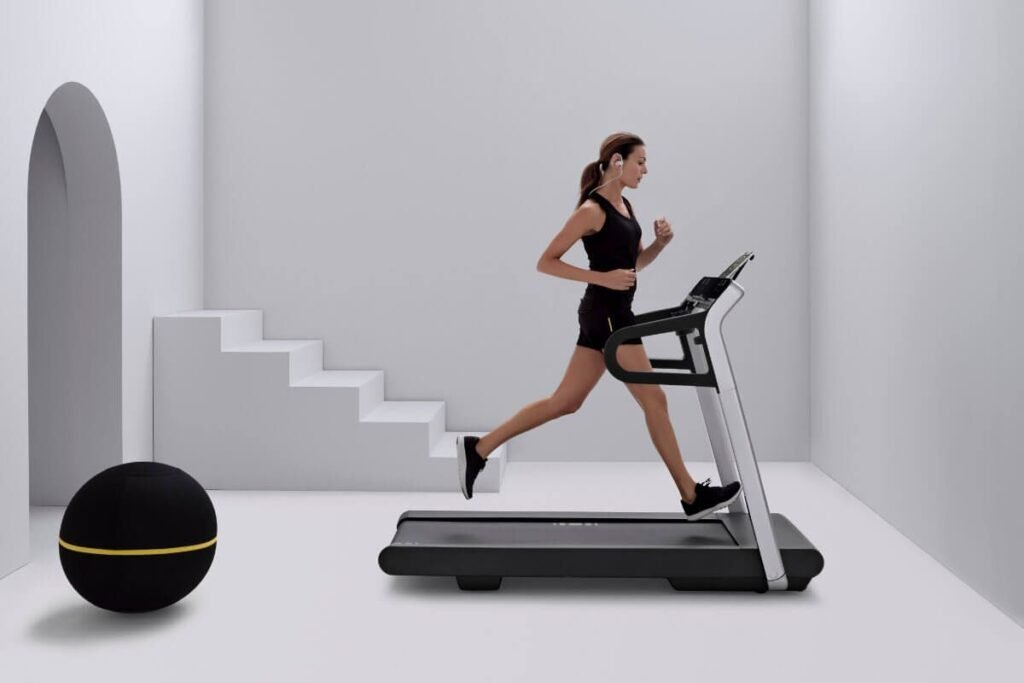
The motion microbreak system is a little different. Instead of working out once a day for an hour or more, you accumulate short exercise breaks that include brief bouts of physical activity.
How to Create Your Micro-Breaks
Do 2 minutes of physical activity for every hour you spend in a chair. Set a timer on your phone. When it pops, do one of these:
- Walk up and down stairs
- Do 10 jumping jacks
- Dance to one song
- Do wall push-ups
- If you are at home or in the office, go for a walk
- Reach your arms above and extend out to the side
That’s it. Two minutes. Then go back to whatever you were doing.
Short Breaks Can Keep Anxiety and Depression at Bay
Prolonged sitting increases anxiety. Your muscles get tight. Blood flow slows down. Hormones related to stress accumulate in your system.
A two-minute movement break clears those stress hormones before they accumulate. It’s analogous to, well, taking out the trash regularly instead of letting it overflow. For more insights on building healthy fitness and wellness routines, incorporating regular movement breaks is essential.
The Anxiety-Movement Connection
| Time Still | Anxiety Increase | Movement Required to Reset |
|---|---|---|
| 0-30 minutes | None | None |
| 30-90 minutes | Slight | 2 minutes |
| 90-180 minutes | Moderate | 5 minutes |
| 3 hours+ | Significant | 10 minutes |
These mini movement breaks maintain you in the “none” or “slight” categories of anxiety all day long. You never get to the “moderate” or “substantial” levels.
Making It Automatic
Don’t rely on willpower. Create repeating alarms on your phone titled “Move Break.” After two weeks, your body will begin to crave those little breaks on its own. No use for the alarms anymore.
Mental Health Update #4: The Digital Sunset Practice
Your phone may be giving you more anxiety than you realize. The cooler, bluish light emitted by screens fools your brain into thinking it’s daytime. This disrupts your internal clock and heightens anxiety.
But here’s the real issue: it’s not just about the light. It’s what you’re looking at. News, social media, work emails and text conversations all get your stress response going, just before bedtime.
The Two-Hour Digital Sunset
Avoid screens of all kinds two hours before bed. That means phones, tablets, computers and TVs. Yes, this sounds impossible. Here’s how to make it work.
Hour One (Two Hours Before Bed): This is your transition hour. Dim the lights in your house. If you can, avoid screens altogether; but if not, turn on night mode and wear blue light blocking glasses. Keep notifications off. No email or social media checks.
Hour Two (One Hour Before Bed): No screens. Do calming activities instead:
- Read an actual book or magazine
- Take a warm bath or shower
- Write in a journal
- Listen to soothing music or a podcast
- Do light stretching
- Have face-to-face conversations with friends and family
The Anxiety Reduction Timeline
Here are the digital sunset changes that some people who practice them say they experience:
- After 3 days: You fall asleep 15 minutes faster
- After 1 week: Wake feeling more rested
- After 2 weeks: Less mind racing at night is noticeable
- After 1 month: Overall anxiety decreases by 30%-40%
What About Entertainment?
Reading beats scrolling for anxiety. Here’s why: social media is engineered to keep you awake and engaged. Books and magazines literally have your name on them to fall asleep. Your brain processes them differently.
If you need amusement, listen away rather than look. Audiobooks and podcasts are effective, in part because they don’t involve bright screens or constant visual stimulation.
Mental Health Update #5: The “Worry Window” Exercise or Technique
Anxiety has a way of coming at you at the most random times. You’re trying to do something, and next thing you know, you’re fretting over that strange text your friend sent. You’re cooking dinner, and suddenly your brain replays an embarrassing scene from three years ago.
The worry window technique puts anxiety in a specific time and place. It all sounds counterintuitive, but it works amazingly well.
Setting Up Your Worry Window
Choose one 15-minute interval each day. Same time, same place. This is your official “worry time.” Schedule it in your calendar as you would a visit to the doctor.
When it is your worry window, anything goes. Scribble your worries in a notebook. Think about problems. Stress about the future. This is your time to allow anxiety its say.
What to Do When Anxiety Strikes Outside Your Window
Other times, if fears pop in at other points, you can say to yourself: “I’m going to think about this during my worry window.” Quickly jot down the worry in your phone or on a sticky note. Then go back to whatever you were doing.
Sounds too easy to possibly be effective. But here is what happens: your brain learns that worry gets a scheduled time. It “bothers you less” during the remainder of your day.
Why This Article Ends Anxiety Spirals
Anxiety feeds on itself. One fear begets the next, and the next. Before you realize, two hours in your head have gone by.
The worry window surrounds itself with limits. It’s like saying to a talkative friend, “I want to hear about this, but can we talk later when I’m better able to really listen?”
When Will You Notice the Results
A difference is usually visible to most people within a week. Random anxiety thoughts still pop up, but they don’t linger as much. After a month, you might notice that you don’t even need the full 15 minutes. A lot of days, you will go to sit down for your worry window and you’ll feel like there’s nothing much to worry about.
Mixing Those Updates for Full Effect
Each update works on its own. But put them together, and something powerful occurs. They bolster each other and together form a full mental health routine.
Your Daily Anxiety-Calming Schedule
Morning: Expose yourself to 10 minutes of sunlight within an hour of waking up. This primes your mood for the day and resets your internal clock accordingly.
Throughout the Day: 2 minutes of movement for every 90 minutes on your bum. This will prevent the build-up of anxiety in your body.
Afternoon: Set aside a 15-minute worry window. Get all the anxiety out in one concentrated go.
Evening: Two hours before bedtime, start your digital sunset. Try the 4-7-8 breathing method if you’re anxious about falling asleep.
The Compound Effect
These updates might seem small. But the small changes add up quickly. Think of it like compound interest in a savings account.
One update might cut anxiety by 10 percent. Two updates are no more than 20%. They multiply. Three updates could lower anxiety by 40 percent. In combination, all five of these updates have you cutting anxiety in half, or way more.
Common Mistakes to Avoid
Trying to Be Perfect
You don’t have to nail these updates every single day. You won’t lose your progress if you miss a day. Life happens. The point is what you do the next day.
Quitting Too Soon
Mental wellness updates, they are not going to work immediately. Give each at least two weeks and see if it helps. Time is required for your brain to get used to new patterns.
Doing Too Much at Once
Begin with one or two updates. Get comfortable with them. Then add another. Attempting to change everything at once typically means nothing changes at all.
Ignoring Professional Help When Needed
These changes benefit the majority of people with everyday anxiety. But at other times, anxiety is a more serious matter. If any of this doesn’t improve after a month or if anxiety gets in the way of doing regular things, talk to a doctor or therapist. According to the National Institute of Mental Health, professional treatment is highly effective for anxiety disorders.
Tracking Your Progress
So how do you know if these updates are having an effect? Track your anxiety for a month.
Use a simple 1-10 scale. At the end of each day, rate your overall anxiety:
- 1-3: Little to no anxiety, calm most of the time
- 4-6: Moderate anxiety, something that is definitely there but can still be handled
- 7-10: Severe anxiety, unable to concentrate or function
Make a note of these numbers in your notebook or phone app. After two weeks, hunt for patterns. Are your numbers dropping? That’s progress.
Monitor also for these signs of progress:
- Falling asleep faster
- Fewer racing thoughts
- More focus at work or in school
- More energy throughout the day
- Feeling calmer in stressful situations
Frequently Asked Questions
How quickly do such mental health updates quell anxiety?
People usually expect to see results within 3-7 days of first application. Noticeable shifts tend to come and crop up around the 2-4 week mark of using it quite regularly. The trick is following the updates through daily, even when change isn’t happening right before your eyes.
Can I still do these updates if I’m already on anxiety medication?
Yes. These improvements are in addition to medication and therapy. They are lifestyle changes, not medical treatments. But always make sure you consult your doctor before making any big changes to your health routine.
What if I skip a day or break the routine?
Your results won’t suddenly be shot to hell if you miss a day. Then pick yourself up and start over the next day. You want consistency over the long haul, not perfection every single day. It’s like brushing your teeth — skip once doesn’t mean you should stop.
Are these updates applicable to panic attacks?
When you are having a panic attack, 4-7-8 breathing can be very helpful. The other changes are also intended to tamp down anxiety before it escalates to panic. If you are having regular panic attacks, these updates should supplement, not replace, professional care.
Which update should go first if I only have to pick one?
Begin with the 4-7-8 breathing reset. It is the simplest to execute, relieves as soon as it takes effect and can be performed anywhere. When that has become automatic, work on morning exposure to sunlight next.
Will they help with depression as well?
Yes — especially the morning sunlight and motion micro-breaks. These changes have an impact on brain chemistry that are good for both anxiety and depression. But depression usually needs professional help plus lifestyle change.
Keep It Simple For Your Mental Health
Anxiety doesn’t need complicated solutions. It requires regular, simple updates to your daily regimen. The five updates in this article work because they address the underlying factors of anxiety: poor sleep dysregulation, shallow breaths, too much stillness, screen overload and lack of control on worry.
You also have practical measures you can implement, starting today. Pick one update. Try it for three days. Notice how you feel. Then add another update. In a month, you’ll have a full mental health routine that will reduce anxiety naturally.
And keep in mind, they’re called updates for a reason! They’re about making your life as it is better, not reimagining your entire life. You’re not starting from scratch. All you’re going to do is make very small changes that will make your brain run better.
Your mental health matters. These five simple upgrades show that taking care of it doesn’t have to be difficult, costly or time consuming. It just requires 20-30 minutes throughout your day and a willingness to show up for yourself.
Start with your next breath. Make it a 4-7-8. On the other side of these easy updates, your calmer mind is waiting.