
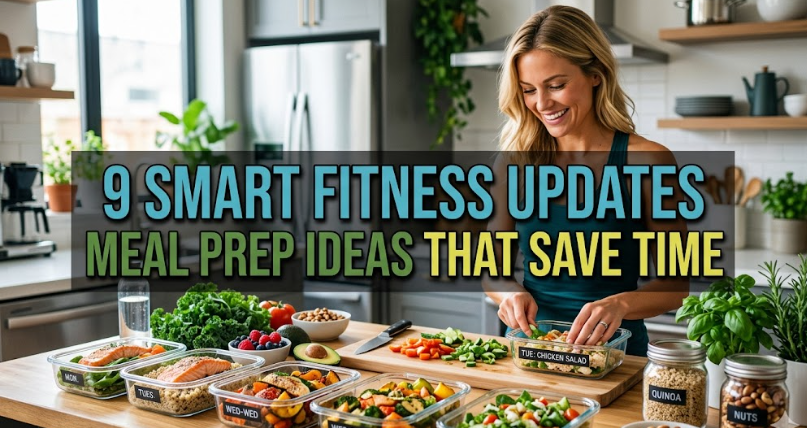

9 smart fitness updates meal prep ideas that save time
Time has quietly become the most valuable currency in modern life. Between work, family responsibilities, social obligations, and the constant pull of digital distractions, finding time to stay consistent with fitness and nutrition often feels like an uphill battle. Many people begin with enthusiasm, only to burn out when the routine becomes too demanding. The real challenge is not motivation—it is sustainability.
This is where smart meal prep steps in. But not the rigid, repetitive version you may be picturing. The modern approach to meal prep has evolved. It is no longer about eating the same chicken and rice every day or spending an entire Sunday locked in the kitchen. Today’s smart fitness updates revolve around flexibility, efficiency, and realistic systems that fit into real lives.
Below are nine intelligent meal prep ideas designed not only to save time but also to reduce stress, support your fitness goals, and make healthy eating feel natural rather than forced.
- build a flexible base, not fixed meals
Traditional meal prep often fails because it relies on strict, pre-portioned meals. If your mood changes or your schedule shifts, those meals go uneaten. A smarter approach is to prepare flexible components instead of complete dishes.
Cook a batch of protein sources like grilled chicken, boiled eggs, lentils, or baked fish. Pair that with versatile carbohydrates such as rice, quinoa, or sweet potatoes. Add a variety of vegetables, either roasted or raw.
Instead of locking yourself into specific meals, you mix and match throughout the week. One day it becomes a bowl, another day a wrap, and another day a salad. This reduces boredom and eliminates the mental resistance of eating “the same thing again.”
- use the two-hour rule
Instead of dedicating an entire day to meal prep, limit yourself to two focused hours. This forces efficiency and prevents burnout.
Within those two hours, aim to prepare essentials rather than perfection. Wash and chop vegetables, cook one or two protein options, and prepare a staple carb. That’s it.
This approach works because it respects your time and energy. When meal prep becomes a small, manageable task, it becomes sustainable. Consistency beats intensity every time.
- upgrade your storage strategy
Meal prep is not just about cooking—it is about storage. Poor storage leads to spoiled food, wasted money, and frustration.
Use clear containers so you can see what you have at a glance. Organize your fridge so ready-to-eat items are at eye level. Store sauces and dressings separately to maintain freshness.
A smart update is portion layering. Instead of mixing everything together, keep components separate until you are ready to eat. This preserves texture and flavor, making meals feel fresh even days later.
- embrace “assembly meals”
Cooking every single meal from scratch is not necessary. Assembly meals are a powerful time-saving strategy.
Think of meals that require minimal cooking: wraps, sandwiches, yogurt bowls, smoothie bowls, or protein salads. When your ingredients are prepped, these meals take less than five minutes to put together.
For example, a pre-cooked protein, a handful of greens, a sauce, and a wrap can become a complete meal in minutes. This reduces reliance on takeout and keeps you aligned with your fitness goals without extra effort.

- cook once, eat twice (or more)
One of the smartest habits is cooking meals that intentionally produce leftovers. But instead of eating the exact same dish again, transform it.
Grilled chicken can become tacos the next day. Roasted vegetables can turn into a pasta or a stir-fry. Rice can become fried rice or a quick bowl with different toppings.
This method multiplies the value of your effort. You are not just cooking a meal—you are creating future options.
- automate your grocery planning
Decision fatigue is real. Constantly figuring out what to eat and what to buy drains mental energy.
Create a rotating grocery list based on your go-to meals. This eliminates guesswork and speeds up shopping. Over time, you refine the list based on what you actually enjoy and use.
Some people take it further by assigning themes to days—like protein bowls, wraps, or stir-fries. This provides structure without rigidity, making meal prep feel easier and more intuitive.
- prioritize quick-cook proteins
Not all proteins require long cooking times. Choosing faster options can significantly reduce prep time.
Eggs, ground meat, tofu, canned beans, and fish fillets cook quickly and are highly versatile. Rotisserie chicken is another underrated option that can be used in multiple meals with zero cooking effort.
By prioritizing these options, you reduce time spent in the kitchen while still meeting your nutritional needs.
- integrate smart kitchen tools
Technology can dramatically improve efficiency if used wisely. You do not need a fully automated kitchen, but a few key tools can save hours over time.
A pressure cooker or multi-cooker can prepare meals in a fraction of the usual time. Air fryers simplify cooking with minimal cleanup. Blenders make smoothies and sauces effortless.
The key is not to overcomplicate your setup but to choose tools that align with your routine. When cooking becomes easier, you are more likely to stick with it.
- prep for your worst days, not your best
Most meal plans fail because they are designed for ideal days—when you have energy, time, and motivation. Real life does not work that way.
Instead, prepare for your busiest, most stressful days. Have backup meals ready—frozen portions, quick snacks, or simple combinations that require no effort.
This might include protein shakes, pre-cut fruits, nuts, or ready-to-eat meals. When things go wrong, these options prevent you from falling back on unhealthy choices.
The goal is not perfection. It is resilience.

bringing it all together
Smart meal prep is not about discipline alone. It is about designing a system that works even when you do not feel like trying.
The biggest shift is moving away from an all-or-nothing mindset. You do not need to prepare every meal or follow a rigid plan. Even small steps—like prepping ingredients or cooking one extra portion—can create momentum.
Over time, these small systems compound. You spend less time worrying about food, make better nutritional choices, and free up mental space for other priorities.
Consistency in fitness is rarely about extreme effort. It is about reducing friction. The easier you make healthy choices, the more naturally they become part of your life.
frequently asked questions
- how many days in advance should i meal prep
Most people find that prepping for three to four days strikes the right balance between freshness and convenience. You can always do a mid-week refresh to restock ingredients and maintain quality. - can meal prep help with weight loss
Yes, meal prep can support weight loss by reducing impulsive eating and helping you control portions. However, the quality and quantity of food still matter, so it should be combined with a balanced diet. - what foods are best for meal prep
Foods that store well and maintain texture are ideal. These include grains like rice and quinoa, proteins like chicken and beans, and vegetables like broccoli, carrots, and peppers. - how do i avoid getting bored with meal prep
Focus on variety within structure. Use different sauces, spices, and combinations to create new meals from the same base ingredients. This keeps things interesting without adding extra work. - is it necessary to meal prep every week
No, it is not necessary. Even partial prep—like cutting vegetables or cooking a protein—can make a big difference. The goal is to make your week easier, not to follow strict rules. - what if i do not have time to meal prep at all
Start small. Prepare just one component, like a protein or a snack. Even minimal effort can reduce stress and improve your eating habits over time.
In the end, smart meal prep is about working with your life, not against it. When done right, it becomes less of a chore and more of a quiet advantage—one that supports your health, saves time, and simplifies your daily routine.