


7 fitness updates daily habits that instantly improve mental health
There’s a quiet shift happening in how people think about fitness. It’s no longer just about six-packs, marathon times, or punishing routines. More and more, the conversation has turned inward—toward how movement, rhythm, and daily habits shape the mind. What used to be “work out to look better” is slowly becoming “move to feel better.” And that shift matters, because mental health isn’t something we visit occasionally; it’s something we live with, every single day.
The idea of “fitness updates” doesn’t mean overhauling your life overnight. It means making small, intentional adjustments—daily habits that don’t feel like chores but slowly change your internal landscape. These are not complicated systems or rigid plans. They are simple, human actions that align your body and mind in ways that are often overlooked.
Below are seven such habits. Each one is grounded in real experience, practical enough to start immediately, and powerful enough to make a noticeable difference when practiced consistently.
- start your day with movement, not your phone
Most people begin their day with a scroll. Notifications, messages, headlines—before the mind has even settled, it’s already reacting. That habit quietly trains the brain to be reactive rather than intentional.
Now imagine a different start.
You wake up. Instead of reaching for your phone, you sit up, stretch your arms overhead, maybe roll your shoulders, maybe walk around your room for a minute. Nothing intense. Just movement. It signals to your body that the day has begun.
This small shift does something subtle but important: it creates a sense of ownership over your morning. Movement activates circulation, wakes up your nervous system gently, and prevents that groggy, sluggish feeling from lingering.
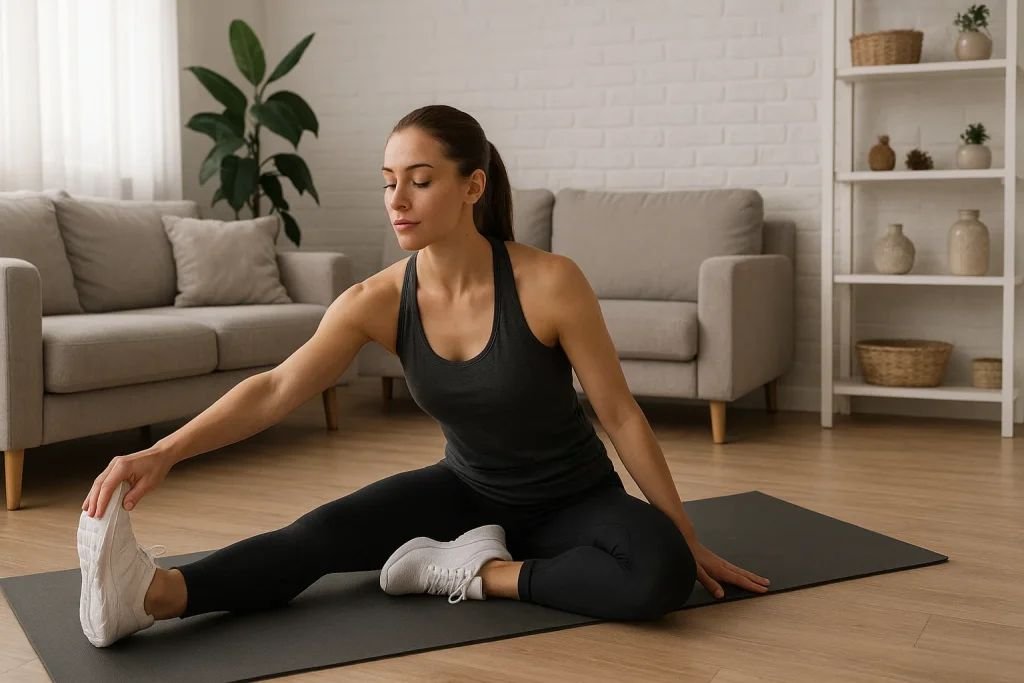
You don’t need a full workout. Even five minutes of stretching, light yoga, or slow squats can shift your mood. Over time, this becomes less about discipline and more about preference—you begin to crave starting your day with presence instead of noise.
- walk with intention, not distraction
Walking is one of the most underestimated tools for mental health. People often treat it as a background activity—something to do while scrolling, talking, or rushing somewhere.
But walking can be something else entirely.
Try this: take a 10–20 minute walk without headphones. No music, no podcast, no phone in hand. Just you and your surroundings. Pay attention to the rhythm of your steps, the feeling of your breath, the sounds around you.
At first, it might feel uncomfortable. The mind will wander. You might feel the urge to check your phone. That’s normal. But if you stay with it, something shifts. The walk becomes grounding.
Walking like this has a calming effect on the nervous system. It reduces mental clutter and often brings clarity to thoughts that felt tangled before. Many people report that their best ideas—or their calmest moments—happen during these quiet walks.
It’s not about distance. It’s about presence.
- build a “micro workout” habit instead of chasing perfection
One of the biggest reasons people struggle with fitness is the all-or-nothing mindset. If they can’t do a full workout, they do nothing. And doing nothing slowly builds guilt, which makes restarting even harder.
Micro workouts solve this.
Instead of waiting for the perfect 60-minute session, you do small bursts of movement throughout the day. Ten push-ups here. A quick set of squats there. A plank before your shower.
These moments may seem insignificant, but they accumulate. More importantly, they remove the psychological barrier of “I don’t have time.”
There’s also a mental shift that happens when you do this. You start to see yourself as someone who moves regularly, not occasionally. That identity change is powerful.
From a mental health perspective, these small movements release tension, boost mood through endorphins, and break up long periods of inactivity that can contribute to low energy and negative thinking.
Consistency beats intensity. Every time.
- create a daily “reset ritual” for stress
Stress doesn’t always come from big events. It often builds quietly—small frustrations, unfinished tasks, background worries. Without a release, it accumulates.
A reset ritual is a simple daily habit designed to clear that buildup.
It could be as basic as:
– sitting quietly for five minutes with your eyes closed
– taking slow, deep breaths
– doing light stretching after work
– stepping outside and looking at the sky
The key is repetition. You do it at roughly the same time each day, so your body begins to associate that moment with relaxation.
Think of it like pressing a reset button. You’re telling your mind: the day’s noise doesn’t get to follow me indefinitely.
Over time, this habit creates a buffer between stress and reaction. Instead of carrying tension into the evening—or into your sleep—you release it intentionally.
- prioritize sleep like it’s part of your workout routine
Sleep is often treated as optional, but it’s one of the strongest pillars of both physical and mental health. Poor sleep doesn’t just make you tired—it affects mood, focus, emotional regulation, and resilience.
If you think about it, a lack of sleep makes everything feel harder. Small problems feel bigger. Patience shrinks. Motivation disappears.
Improving sleep doesn’t always require drastic changes. Start with simple habits:
– go to bed at a consistent time
– reduce screen exposure before sleep
– keep your room slightly cooler
– avoid heavy meals right before bed
What’s interesting is how quickly mental health responds to better sleep. Within a few days of consistent rest, many people notice they feel calmer, more focused, and less reactive.
Treat sleep as recovery—not just for your body, but for your mind.
- use breath as a tool, not an afterthought
Breathing is automatic, so it’s easy to ignore. But the way you breathe directly affects how you feel.
Shallow, rapid breathing is often linked to stress and anxiety. Slow, controlled breathing can signal safety to your nervous system.
A simple practice:
Inhale slowly through your nose for four seconds.
Hold for four seconds.
Exhale slowly for six seconds.
Repeat this for a few minutes.
This kind of breathing lowers heart rate, reduces tension, and creates a sense of calm. It’s one of the fastest ways to shift your mental state without needing any equipment or environment.
You can do it anywhere—before a meeting, during a stressful moment, or even while lying in bed.
The more you practice, the more natural it becomes to return to your breath when things feel overwhelming.
- limit passive consumption, increase active engagement
Mental health isn’t only affected by what you do physically—it’s also shaped by what you consume mentally.
Endless scrolling, binge-watching, and constant input can create a sense of mental fatigue. You’re taking in information without processing or engaging with it.
A small but powerful habit is to replace some of that passive consumption with active engagement.
Instead of scrolling for an hour, you might:
– write a few thoughts in a journal
– read a few pages of a book
– learn a new skill
– have a real conversation with someone
This doesn’t mean eliminating entertainment. It means balancing it.
Active engagement stimulates the brain differently. It creates a sense of progress, curiosity, and fulfillment that passive consumption often lacks.
Over time, this shift can reduce feelings of emptiness or restlessness that come from doing too much of nothing.

bringing it all together
None of these habits are complicated. That’s what makes them effective.
You don’t need a complete life overhaul. You don’t need extreme discipline. You just need small, consistent actions that gently steer your day in a better direction.
What’s interesting is how these habits reinforce each other. Better sleep makes it easier to move in the morning. Movement improves mood, which makes you more likely to engage actively rather than passively. Breathing helps you manage stress, which improves sleep again.
It becomes a loop—but a positive one.
Mental health isn’t fixed in one moment. It’s shaped daily, often quietly, through habits that seem too small to matter—until they do.
frequently asked questions
- how long does it take to see mental health improvements from these habits?
Some effects are almost immediate. For example, breathing exercises or a short walk can improve your mood within minutes. For deeper changes, like better sleep or reduced anxiety, it usually takes a few days to a few weeks of consistent practice.
- do i need to follow all seven habits at once?
No. In fact, it’s better to start with one or two. Choose the habits that feel easiest or most relevant to your current lifestyle. Once they become natural, you can gradually add more.
- can these habits replace professional mental health treatment?
These habits can support mental well-being, but they are not a substitute for professional care. If you’re dealing with severe anxiety, depression, or other conditions, it’s important to seek help from a qualified professional.
- what if i don’t feel motivated to start?
Start small—so small that it feels almost effortless. One minute of movement. One deep breath. One short walk. Motivation often follows action, not the other way around.
- is physical fitness really connected to mental health?
Yes, very strongly. Movement affects brain chemistry, reduces stress hormones, and improves mood-regulating systems. Even light activity can have noticeable psychological benefits.
- how do i stay consistent with these habits?
Attach them to things you already do. For example, stretch after waking up, breathe deeply before meals, or walk after dinner. When habits are tied to existing routines, they’re easier to maintain.
In the end, improving mental health doesn’t always require big, dramatic changes. Sometimes, it’s about returning to simple things—movement, breath, rest, presence—and practicing them daily until they quietly reshape how you feel.