
What’s Changed in the World of Healthy Eating?
Food science moves fast. What experts told us about nutrition five years ago has shifted dramatically. New research keeps uncovering surprising facts about what we eat and how it affects our bodies.
You’ve probably heard conflicting advice about carbs, fats, protein, and when to eat. One day eggs are bad for you, the next they’re a superfood. It gets confusing.
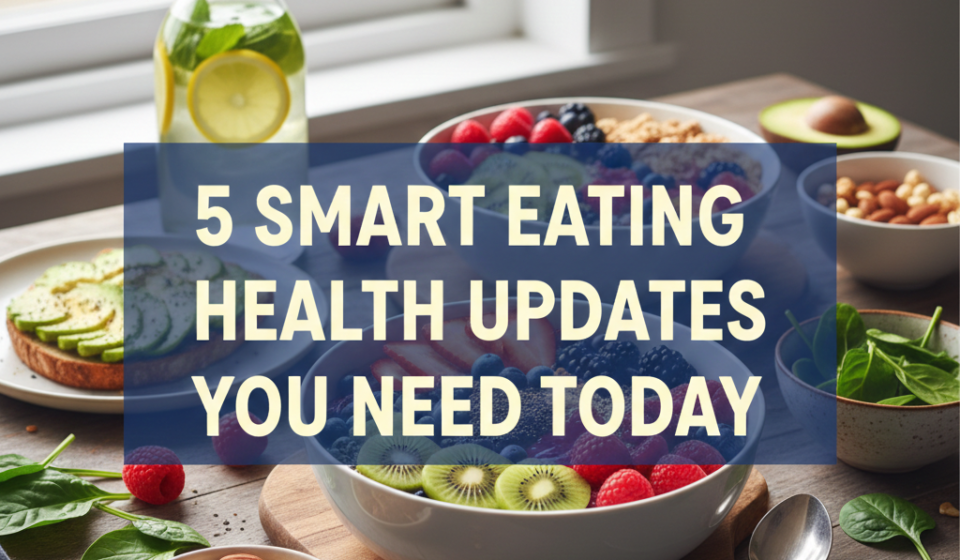
This article cuts through the noise. We’re sharing five recent discoveries that can actually change how you feel every day. These aren’t fad diets or celebrity trends. They’re backed by solid research and easy to apply to your daily routine.
Whether you want more energy, better sleep, improved focus, or just to feel healthier overall, these updates give you practical tools. Let’s dive into what science has recently discovered about smart eating.
The Protein Timing Revolution
Why When You Eat Protein Matters More Than You Think
For years, people focused on getting enough protein throughout the day. The total amount seemed most important. Recent studies flip this idea on its head.
Research from 2024 shows that spreading protein evenly across your meals works better than loading up at dinner. Your muscles can only use about 25-40 grams of protein at once. Anything beyond that doesn’t build muscle or satisfy hunger as effectively.
The Magic Formula for Each Meal
Aim for 20-30 grams of protein at breakfast, lunch, and dinner. This steady supply helps your body maintain muscle, keeps you full longer, and stabilizes blood sugar.
What 25 grams of protein looks like:
- 3 eggs plus 1 cup of Greek yogurt
- 4 ounces of chicken breast (about the size of your palm)
- 1 cup of cottage cheese
- 5 ounces of salmon
- 1.5 cups of lentils
Morning Protein: The Game Changer
Starting your day with protein makes a massive difference. People who eat 25+ grams at breakfast report less hunger throughout the day. They also make better food choices at lunch and dinner.
Skip the sugary cereal or plain toast. Try eggs with avocado, protein smoothies, or Greek yogurt with nuts. Your energy levels will thank you.
| Meal Time | Protein Goal | Sample Foods |
|---|---|---|
| Breakfast | 25-30g | Eggs, Greek yogurt, protein shake |
| Lunch | 25-30g | Chicken, fish, tofu, beans |
| Dinner | 25-30g | Lean meat, legumes, tempeh |
| Snacks | 10-15g | Nuts, cheese, edamame |
Gut Health: Your Second Brain Needs Better Food
The Microbiome Connection You Can’t Ignore
Your gut contains trillions of bacteria. These tiny organisms control way more than digestion. They influence your mood, immune system, weight, and even how clearly you think.
New research from 2024-2025 reveals that gut bacteria respond to diet changes within 24 hours. Feed them right, and you’ll feel the difference fast.
Fiber: The Forgotten Superstar
Most Americans eat only 15 grams of fiber daily. We need 25-35 grams. This gap creates major health problems.
Fiber feeds good gut bacteria. When these bacteria thrive, they produce compounds that reduce inflammation, improve mental health, and help control weight.
High-fiber foods to add daily:
- Beans and lentils (15g per cup)
- Berries (8g per cup)
- Avocados (10g per avocado)
- Oats (8g per cup cooked)
- Broccoli (5g per cup)
- Apples with skin (4g per medium apple)
Fermented Foods: Nature’s Probiotic Power
Yogurt, kefir, sauerkraut, kimchi, and kombucha contain live beneficial bacteria. Eating these foods regularly strengthens your gut microbiome.
Studies show people who eat fermented foods daily have more diverse gut bacteria. This diversity links to better health outcomes across the board.
Start small. Add a few spoonfuls of sauerkraut to your lunch or drink a small glass of kefir. Your gut adapts quickly, and you’ll notice improved digestion within a week.
For more evidence-based nutrition guidance, visit Fitness Updates to stay informed about the latest health research.

The Truth About Meal Timing and Metabolism
Eating Windows That Actually Work
Intermittent fasting has been trendy for years. New research clarifies what actually helps and what’s just hype.
The key isn’t starving yourself. It’s giving your digestive system a consistent break. Studies from late 2024 show that eating within a 10-12 hour window supports metabolic health.
The Circadian Rhythm Factor
Your body runs on an internal clock. This clock affects how you process food. Eating late at night fights against your natural rhythms.
Research proves that eating your largest meal at breakfast or lunch instead of dinner improves:
- Blood sugar control
- Weight management
- Sleep quality
- Energy levels
Practical Application Without Extremes
You don’t need complicated fasting schedules. Follow these simple rules:
Finish eating 2-3 hours before bed. This gives your body time to digest and improves sleep quality.
Start eating within an hour of waking up. This jumpstarts your metabolism and provides morning energy.
Keep eating times consistent. Your body thrives on routine. Eating at similar times daily optimizes digestion.
According to the National Institutes of Health, consistent meal timing can significantly impact metabolic health and disease prevention.
Hydration: The Missing Piece in Your Diet
Water Does More Than Quench Thirst
Most people walk around mildly dehydrated without realizing it. Even 2% dehydration affects mental performance, mood, and physical energy.
Recent studies highlight that proper hydration improves:
- Focus and concentration (up to 20% better)
- Physical performance
- Skin health
- Digestive function
- Temperature regulation
How Much Do You Really Need?
The old “8 glasses a day” rule oversimplifies things. Your needs depend on body size, activity level, and climate.
Better formula: Divide your weight in pounds by 2. That’s how many ounces you need daily as a baseline.
Example: 150-pound person needs 75 ounces (about 9 cups) minimum.
Add more if you exercise, live in hot climates, or drink caffeine.
Smart Hydration Strategies
Start your day with water. Drink 16 ounces within 30 minutes of waking. This rehydrates you after sleep and kickstarts your system.
Eat your water. Foods like cucumbers, watermelon, oranges, and strawberries contain 85-95% water. They count toward your hydration goals.
Monitor your urine color. Pale yellow means you’re well-hydrated. Dark yellow signals you need more water.
Set hourly reminders. Use your phone to prompt water breaks throughout the day.
| Time of Day | Hydration Goal | Tips |
|---|---|---|
| Morning (wake-2 hours) | 16-24 oz | Drink before coffee |
| Mid-morning | 16 oz | Keep bottle at desk |
| Lunch | 8-16 oz | Have water with meal |
| Afternoon | 16-24 oz | Combat energy slump |
| Evening | 8-16 oz | Stop 2 hours before bed |
Anti-Inflammatory Eating: The Disease Prevention Strategy
Inflammation: The Silent Health Destroyer
Chronic inflammation contributes to nearly every major disease: heart disease, diabetes, cancer, Alzheimer’s, and arthritis. The foods you eat either fuel inflammation or fight it.
Recent research emphasizes that daily food choices matter more than genetics for inflammation levels. You have real control here.
Foods That Fight Fire
Certain foods contain powerful anti-inflammatory compounds. Adding these to your daily routine reduces disease risk significantly.
Top anti-inflammatory all-stars:
Fatty fish (salmon, mackerel, sardines): Rich in omega-3 fatty acids that directly reduce inflammation. Eat at least twice weekly.
Berries: Packed with antioxidants called anthocyanins. Blueberries, strawberries, and raspberries all work.
Leafy greens: Spinach, kale, and collards contain vitamins and minerals that combat oxidative stress.
Olive oil: Extra virgin olive oil contains oleocanthal, which works like ibuprofen in your body.
Turmeric: The compound curcumin reduces inflammation at the cellular level. Add black pepper to increase absorption by 2000%.
Green tea: Contains EGCG, a powerful anti-inflammatory antioxidant.
The Foods Making Things Worse
Some foods trigger inflammation. Limit these to feel better fast:
- Refined sugar and high-fructose corn syrup
- Processed meats (bacon, sausage, deli meat)
- Excessive alcohol
- Trans fats and heavily processed oils
- Refined carbohydrates (white bread, pastries)
Building an Anti-Inflammatory Plate
Follow this simple formula for most meals:
Half your plate: Colorful vegetables and fruits Quarter of your plate: Lean protein (fish, chicken, beans, tofu) Quarter of your plate: Whole grains or starchy vegetables Add: Healthy fats from nuts, seeds, avocado, or olive oil
This pattern naturally reduces inflammation while providing complete nutrition.
Putting It All Together: Your Action Plan
Start Small, Build Momentum
Don’t try changing everything overnight. That approach usually fails. Instead, pick one or two updates to focus on this week.
Week 1-2: Add protein to breakfast and increase water intake Week 3-4: Include one fermented food and one anti-inflammatory food daily Week 5-6: Adjust meal timing and add more fiber-rich foods
Track Your Progress Simply
Notice how you feel. Better energy? Improved sleep? Clearer thinking? Fewer cravings? These signs tell you it’s working.
Keep a basic food and mood journal. Just a few sentences daily helps you connect what you eat with how you feel.
Make It Sustainable
The best diet is one you can stick with forever. These updates aren’t temporary fixes. They’re lifestyle shifts that become second nature with practice.
Focus on adding good foods rather than restricting. This positive approach works better psychologically and nutritionally.

Frequently Asked Questions
Q: Can I see results from these changes in just one week?
A: Yes! Many people notice improved energy and digestion within 3-7 days of adding more protein at breakfast, increasing water intake, and eating more fiber. Inflammation reduction takes longer, typically 2-4 weeks of consistent anti-inflammatory eating.
Q: Do I need supplements, or can I get everything from food?
A: Most people can get all necessary nutrients from food by following these guidelines. Some may benefit from vitamin D, omega-3, or probiotic supplements, but talk to your doctor first. Food should always be your primary source.
Q: What if I can’t afford expensive foods like salmon and avocados?
A: You don’t need pricey ingredients. Canned salmon and sardines are cheap and nutritious. Eggs, beans, lentils, frozen berries, cabbage (for homemade sauerkraut), and oats cost very little. Good nutrition is accessible at any budget.
Q: How do I get enough protein as a vegetarian or vegan?
A: Combine beans, lentils, tofu, tempeh, edamame, quinoa, nuts, seeds, and plant-based protein powders. Spread these across meals to hit your 25-30 gram target per meal. It’s completely doable with planning.
Q: Will eating late at night really ruin my progress?
A: Late eating disrupts your circadian rhythm and can affect sleep quality and weight management. Try to finish your last meal 2-3 hours before bed. If you must eat late, keep it small and protein-focused rather than carb-heavy.
Q: How quickly does my gut microbiome respond to diet changes?
A: Your gut bacteria begin shifting within 24 hours of dietary changes. You might notice improved digestion in 3-5 days. Significant microbiome diversity improvements typically occur after 2-4 weeks of consistent fiber and fermented food intake.
Your Health Starts With Your Next Meal
Nutrition science keeps evolving, but these five updates represent the most important recent discoveries. They’re practical, research-backed, and immediately applicable.
You don’t need perfection. Small, consistent improvements add up to major health benefits over time. Start with one change today. Add another next week. Build momentum gradually.
Your body responds quickly to better nutrition. More energy, improved mood, better sleep, and reduced disease risk are all within reach through smarter eating habits.
The power to feel better is on your plate. Make your next meal count.