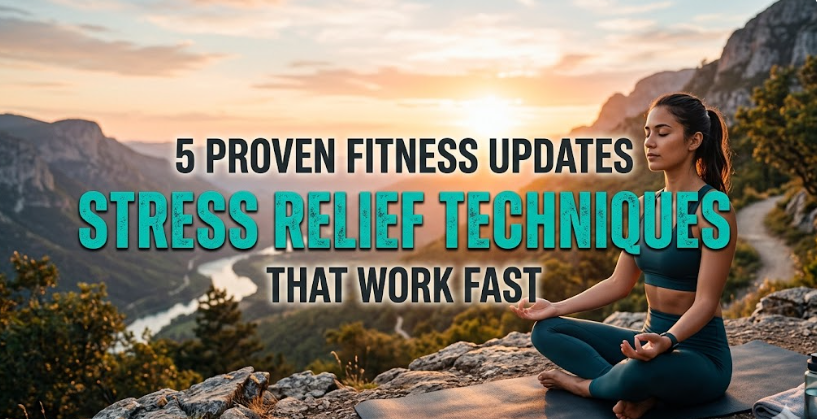

5 Proven Fitness-Based Stress Relief Techniques That Work Fast
Stress has quietly become one of the most common companions of modern life. Whether it stems from work pressure, digital overload, personal responsibilities, or uncertainty about the future, it often builds up faster than we realize. While long-term strategies like therapy, lifestyle changes, and mindfulness practices are essential, there are moments when you need relief quickly—something that works almost immediately.
That’s where fitness-based stress relief techniques come in. Movement has a unique ability to shift your mental state in minutes. It doesn’t require complicated setups, expensive memberships, or hours of commitment. When used intentionally, certain types of physical activity can calm your nervous system, release tension, and restore clarity faster than many passive methods.
This article explores five proven fitness techniques designed specifically for rapid stress relief. These are not abstract suggestions—they are practical, accessible, and grounded in how the body actually responds to movement and stress.
- high-intensity interval bursts to reset your stress response
When stress spikes, your body enters a fight-or-flight state. Your heart rate increases, breathing becomes shallow, and cortisol levels rise. One of the most effective ways to “complete” this stress cycle is through short bursts of intense physical activity.
High-intensity interval bursts involve brief periods of maximum effort followed by short rest intervals. The key here is not duration but intensity. Even a 5–10 minute session can significantly shift your physiology.
For example, you can perform:
– 30 seconds of jumping jacks
– 30 seconds rest
– 30 seconds of mountain climbers
– 30 seconds rest
– Repeat for 5–8 rounds
What makes this effective is that it mirrors the body’s natural stress response. When you push your body intensely, it uses up the stress hormones circulating in your system. After the burst, your body naturally transitions into a recovery state, which brings a sense of calm.
People often report that after just a few minutes of intense movement, their racing thoughts slow down. The physical exertion creates a mental “reset,” almost like clearing a cluttered desk.
This technique works best when you feel overwhelmed, anxious, or mentally stuck. It’s particularly useful during work breaks or when you need to quickly regain focus.
- controlled breathing combined with light movement
While high-intensity workouts are powerful, they are not always appropriate—especially when stress feels more like exhaustion than agitation. In such cases, combining slow breathing with gentle movement can be incredibly effective.
This technique focuses on regulating your breath while engaging in low-intensity activity such as walking, stretching, or slow cycling.
A simple approach is:
– Inhale slowly for 4 seconds
– Hold for 2 seconds
– Exhale for 6 seconds
– Repeat while walking or stretching
The extended exhale is particularly important. It activates the parasympathetic nervous system, which is responsible for relaxation and recovery.
When paired with movement, this breathing pattern helps release physical tension stored in muscles. It also improves oxygen flow, which can reduce feelings of fatigue and mental fog.
You don’t need a special environment for this. A quiet walk around your room, a slow stroll outside, or even gentle stretching beside your desk can work. The goal is to create a rhythm between breath and motion.
Many people underestimate how quickly this technique can work. Within 3–5 minutes, you may notice your heart rate slowing down and your mind becoming clearer.
- progressive muscle activation to release hidden tension
Stress doesn’t just exist in your mind—it accumulates in your body. Tight shoulders, clenched jaws, stiff necks, and lower back discomfort are all common signs of physical tension caused by stress.
Progressive muscle activation is a technique that involves intentionally tensing and releasing different muscle groups. It helps you become aware of hidden tension and actively release it.
Here’s a basic sequence:
– Start with your feet: tense for 5 seconds, then release
– Move to your calves, thighs, and hips
– Continue with your abdomen, chest, arms, and shoulders
– Finish with your neck and face
As you release each muscle group, focus on the sensation of relaxation. The contrast between tension and release helps your body “learn” what relaxation actually feels like.
To make it more fitness-oriented, you can incorporate small movements:
– Light squats while focusing on leg tension and release
– Arm raises combined with shoulder relaxation
– Gentle neck rolls with conscious release
This technique is particularly effective when stress manifests physically. It can quickly reduce discomfort and improve posture, which in turn affects your mental state.
Many people find that after a full-body activation session, they feel lighter, as if a physical weight has been lifted.
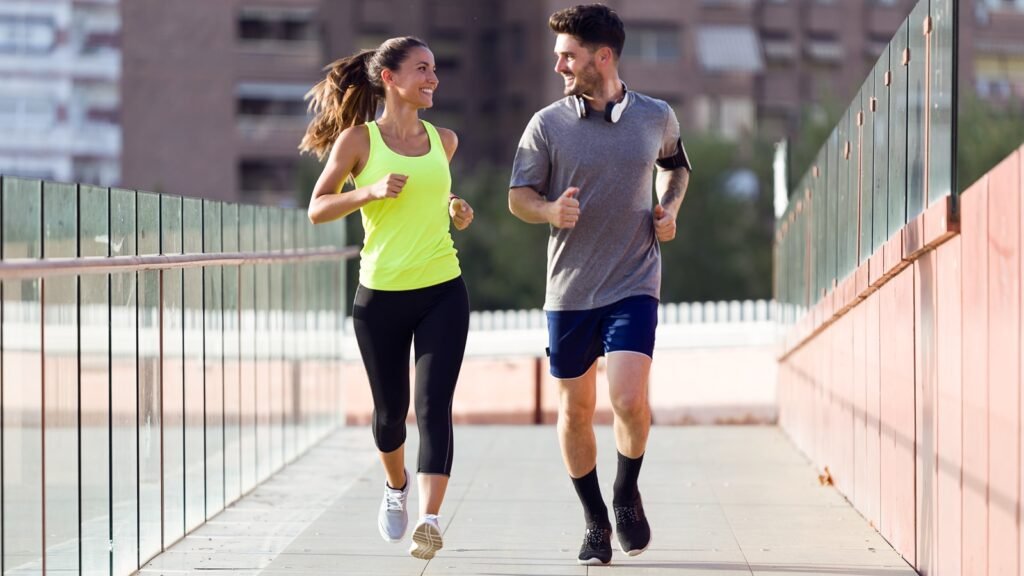
- rhythmic cardio for emotional stabilization
Rhythm has a profound effect on the brain. Activities that involve repetitive, rhythmic movement—such as jogging, cycling, swimming, or even skipping—can create a meditative state.
Unlike high-intensity bursts, rhythmic cardio is about consistency rather than effort. The steady pace allows your mind to settle into a predictable pattern, which can be deeply calming.
For fast stress relief, you don’t need a long session. Even 10–15 minutes of steady movement can make a noticeable difference.
The key is to maintain a comfortable pace where:
– Your breathing is steady
– Your movements are consistent
– You are not straining
As you continue, your brain begins to synchronize with the rhythm of your movement. This can reduce overthinking and create a sense of flow.
Some people experience what’s often called a “runner’s high,” but even without that, the repetitive nature of the activity helps regulate emotions.
This technique is especially useful when you feel emotionally overwhelmed or mentally scattered. It provides a structured outlet for your thoughts without requiring intense focus.
- mindful strength training for grounding and control
Strength training is often associated with building muscle, but it can also be a powerful tool for mental stability. When done mindfully, it shifts your attention entirely to the present moment.
The idea here is not to lift as heavy as possible but to focus on controlled, deliberate movements.
For example:
– Slow squats with full attention on form
– Controlled push-ups with steady breathing
– Light dumbbell exercises performed with precision
As you engage in these movements, you become aware of your body’s position, balance, and effort. This awareness acts as an anchor, pulling you away from stressful thoughts.
One of the reasons this works so well is that it gives you a sense of control. Stress often arises from feeling overwhelmed or powerless. Completing a set of exercises—even a small one—can restore a sense of capability.
Additionally, strength training releases endorphins, which naturally improve mood. Combined with the mental focus required, it creates a dual effect: physical engagement and psychological grounding.
This technique is ideal when stress is linked to frustration, lack of motivation, or feeling mentally “stuck.”
how to choose the right technique for your situation
Not all stress feels the same, and not every technique works equally well in every situation. Understanding your current state can help you choose the most effective approach.
If you feel restless or anxious, high-intensity bursts may help release excess energy.
If you feel drained or mentally foggy, controlled breathing with light movement can restore balance.
If your body feels tense or uncomfortable, progressive muscle activation is likely the best option.
If your thoughts are racing or scattered, rhythmic cardio can help stabilize your ذهن.
If you feel unmotivated or out of control, mindful strength training can provide grounding and direction.
The important thing is to experiment and notice how your body responds. Over time, you’ll develop an instinct for what you need in different moments.
building a quick stress-relief routine
You don’t have to rely on just one technique. In fact, combining them can create a powerful routine that addresses multiple aspects of stress.
A simple 15-minute routine could look like this:
– 3 minutes of high-intensity intervals
– 5 minutes of rhythmic cardio
– 3 minutes of progressive muscle activation
– 4 minutes of controlled breathing and stretching
This sequence moves your body from activation to relaxation, helping you release stress and then stabilize your system.
The key is consistency. Even short, regular sessions can have a cumulative effect, making you more resilient to stress over time.

common mistakes to avoid
While these techniques are simple, there are a few common mistakes that can reduce their effectiveness.
One is overcomplicating the process. You don’t need perfect conditions or specialized equipment. Simplicity is what makes these techniques fast and accessible.
Another mistake is pushing too hard. Especially with high-intensity exercises, more is not always better. The goal is relief, not exhaustion.
Ignoring your body’s signals is also a problem. If something feels uncomfortable or painful, adjust your approach.
Finally, inconsistency can limit results. These techniques work best when used regularly, not just during extreme stress.
frequently asked questions
- how quickly do these techniques actually work?
Most of these methods can produce noticeable effects within 3 to 10 minutes. High-intensity bursts and controlled breathing tend to work the fastest, while rhythmic cardio and strength training may take slightly longer but provide deeper stabilization.
- do I need a gym or equipment to use these techniques?
No. All five techniques can be performed without any equipment. Bodyweight exercises, walking, and simple movements are enough to achieve the desired effects.
- can these techniques replace long-term stress management strategies?
They are not a replacement but a complement. These techniques are designed for immediate relief, while long-term strategies address the root causes of stress.
- is it safe to use high-intensity exercises when I feel extremely stressed?
In most cases, yes, but it depends on your physical condition. If you have any medical concerns or feel physically unwell, it’s better to choose low-intensity options like breathing and stretching.
- how often should I practice these techniques?
You can use them as often as needed. Many people benefit from practicing at least one or two techniques daily, even when they are not feeling stressed, to build resilience.
- what if none of these techniques seem to work for me?
Stress responses vary from person to person. If these methods don’t provide relief, it may be helpful to explore other approaches such as meditation, journaling, or speaking with a professional.
final thoughts
Stress is inevitable, but suffering from it continuously doesn’t have to be. The body is designed to move, and movement is one of the fastest ways to shift your mental state.
These five fitness-based techniques offer practical, immediate tools you can use anytime, anywhere. They don’t require perfection or long commitments—just a willingness to engage your body in a purposeful way.
Over time, these small actions can add up, helping you not only manage stress in the moment but also build a stronger, more resilient mind and body.