
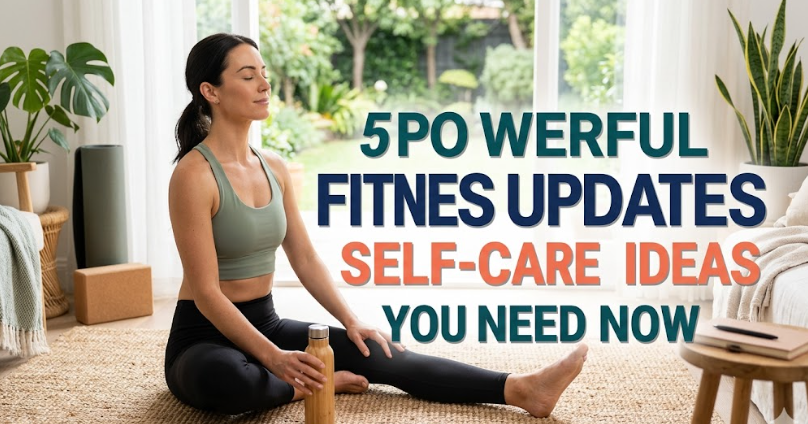

5 Powerful Fitness Updates Self-Care Ideas You Need Now
There comes a point in life when fitness stops being about appearance and starts becoming about survival, clarity, and peace. The world has changed rapidly, and so has the way we approach health. The idea of pushing harder, going longer, and chasing extremes is slowly giving way to something more balanced—something more human. Today, fitness is no longer just about the body. It is about how you feel when you wake up, how you move through your day, and how well you recover when life pushes back.
Self-care is no longer a luxury or a trend; it is a necessity. But not the kind that revolves around expensive spa days or complicated routines. Real self-care is practical, sustainable, and deeply personal. It shows up in the way you stretch your body after a long day, the way you choose your meals, the way you pause when overwhelmed, and the way you respect your limits.
This article explores five powerful fitness updates and self-care ideas that are not only relevant but necessary right now. These are not quick fixes. They are shifts in thinking and behavior that can change how you relate to your body and mind.
movement as medicine, not punishment
For years, many people treated exercise like a punishment for what they ate or how they looked. This mindset created a toxic cycle of guilt and exhaustion. The first powerful update in fitness is the shift toward seeing movement as medicine.
Think about how your body feels after sitting for hours. Stiff shoulders, tight hips, low energy. Movement is not just about burning calories—it is about restoring balance. When you move with intention, you are helping your body function better.
Instead of forcing yourself into intense workouts every day, try listening to your body. Some days you may feel strong and ready for a challenging session. Other days, a simple walk or light stretching might be exactly what you need.
Consider creating a “movement menu” rather than a rigid routine. This could include options like walking, yoga, strength training, dancing, or even playing a sport. Each day, choose something that matches your energy level.
This approach reduces burnout and builds consistency. When movement feels good, you are more likely to keep doing it.
To make this idea practical:
- Start your day with five minutes of gentle stretching
- Take short movement breaks if you sit for long periods
- Choose activities you actually enjoy
- Focus on how you feel during and after movement, not just results
Movement should leave you feeling better, not drained or defeated.
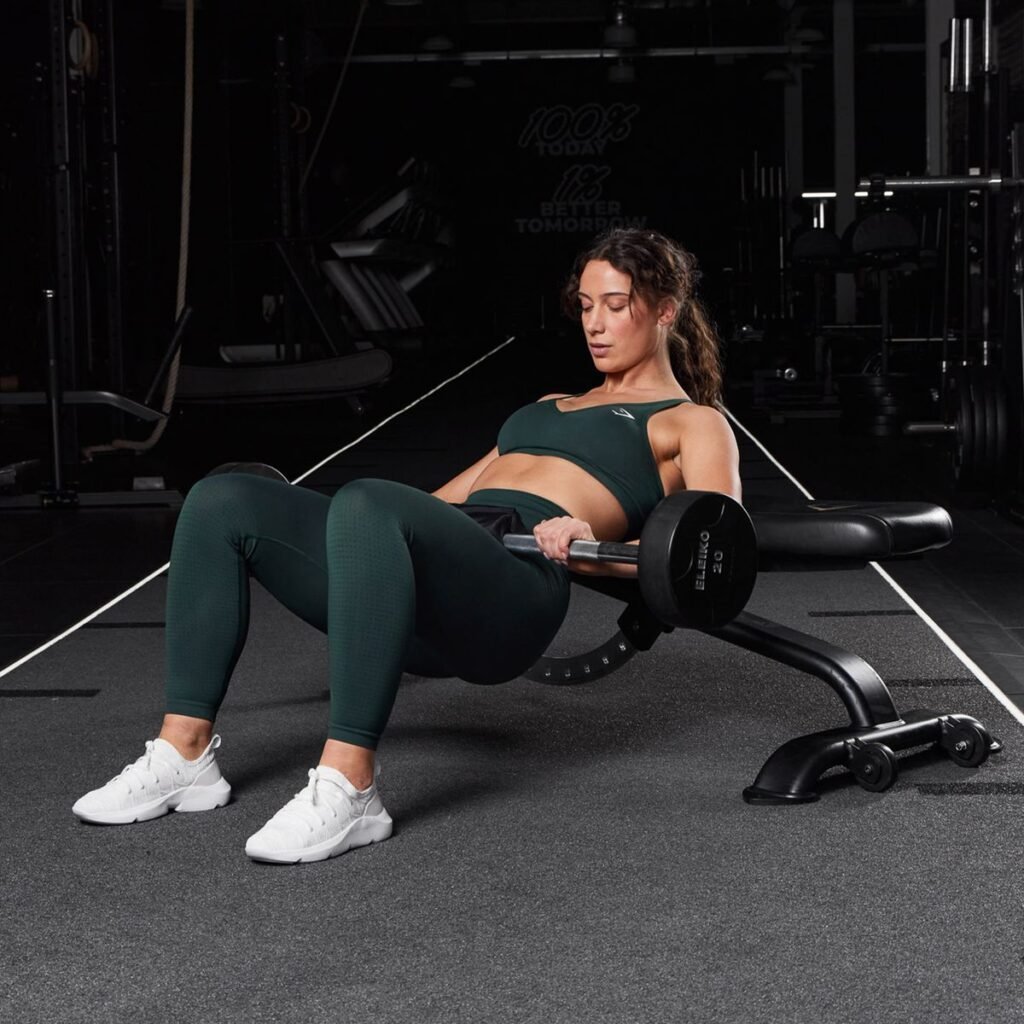
micro workouts for real life
One of the biggest barriers to fitness is time. Many people believe they need an hour or more to have an effective workout. The second update challenges this idea completely.
Micro workouts—short bursts of focused activity—are gaining popularity because they fit into real life. These sessions can be as short as five to fifteen minutes, yet still deliver meaningful benefits.
Imagine doing a quick bodyweight circuit in the morning, a brisk walk in the afternoon, and a few stretches before bed. These small efforts add up.
The key is consistency and intensity. A ten-minute workout done daily is far more effective than a one-hour workout done once a week.
You can structure micro workouts in many ways:
- 10-minute strength session (push-ups, squats, planks)
- 5-minute cardio burst (jumping jacks, high knees)
- 15-minute mobility routine
What makes micro workouts powerful is their flexibility. You can do them at home, in your office, or even while traveling.
They also remove the mental barrier of “I don’t have time.” Almost everyone can find five to ten minutes.
Try stacking these small sessions throughout your day. Over time, they build endurance, strength, and confidence.
recovery is part of the workout
A major shift in modern fitness is the understanding that recovery is not optional—it is essential. For too long, rest days were seen as laziness. Now we know they are critical for progress.
When you exercise, you are actually creating stress in your body. Muscles break down slightly, energy stores get depleted, and your nervous system gets taxed. Recovery is when your body repairs and becomes stronger.
Ignoring recovery leads to fatigue, injury, and burnout.
Self-care plays a huge role here. Recovery is not just about doing nothing—it is about actively supporting your body’s healing process.
Some powerful recovery practices include:
- Quality sleep (7–9 hours per night)
- Hydration throughout the day
- Gentle stretching or mobility work
- Breathing exercises to calm the nervous system
Sleep, in particular, is often overlooked. It is during deep sleep that your body repairs tissues, balances hormones, and restores energy.
You can improve your recovery by creating simple rituals:
- Wind down at the same time each night
- Reduce screen exposure before bed
- Keep your sleeping environment cool and quiet
Recovery also includes mental rest. Taking breaks from constant stimulation, reducing stress, and allowing your mind to reset are just as important as physical rest.
When you start prioritizing recovery, you will notice improved performance, better mood, and fewer injuries.
mind-body connection training
Fitness is no longer just physical—it is deeply connected to mental and emotional well-being. The fourth update focuses on strengthening the mind-body connection.
This means being fully present during your workouts and aware of how your body feels.
Instead of rushing through exercises, slow down. Pay attention to your breathing, your posture, and the muscles you are using. This awareness improves form, reduces injury risk, and enhances results.
Practices like yoga, pilates, and mindful strength training emphasize this connection. But you can bring mindfulness into any activity.
For example:
- During a walk, notice your steps and surroundings
- During strength training, focus on each movement rather than rushing
- During stretching, breathe deeply and relax into the stretch
This approach turns exercise into a form of meditation. It becomes a time to disconnect from stress and reconnect with yourself.
Mental health benefits are significant. Regular mindful movement can reduce anxiety, improve focus, and increase overall happiness.
You can also combine this with journaling or reflection. After your workout, take a moment to note how you feel. Over time, you will start to see patterns and understand what your body needs.
The goal is not just to move, but to move with awareness.
sustainable habits over extreme goals
The final and perhaps most important update is the shift toward sustainability. Extreme fitness goals often lead to short-term results followed by long-term frustration.
Crash diets, intense workout programs, and unrealistic expectations may work temporarily, but they are rarely maintainable.
Sustainable habits, on the other hand, are small, consistent actions that fit into your lifestyle.
Think of fitness as a lifelong journey rather than a 30-day challenge.
Instead of setting goals like “lose 10 kg in a month,” focus on habits like:
- Exercising three to four times a week
- Eating balanced meals most of the time
- Drinking enough water daily
These habits may seem simple, but they create lasting change.
Self-care plays a crucial role here. Being kind to yourself, forgiving setbacks, and staying patient are all part of the process.
Progress is not always linear. There will be days when you feel unmotivated or off track. What matters is getting back to your routine without guilt.
You can make habits easier to stick to by:
- Keeping your goals realistic
- Tracking your progress in a simple way
- Celebrating small wins
Consistency beats perfection every time.
bringing it all together
These five updates are not separate ideas—they work together. Movement as medicine encourages you to stay active. Micro workouts make it practical. Recovery ensures you stay healthy. Mind-body connection keeps you present. Sustainable habits keep you going.
When combined, they create a balanced approach to fitness and self-care.
You do not need to overhaul your life overnight. Start small. Choose one or two ideas and begin there. Over time, these changes will become part of your routine.
Remember, fitness is not about becoming someone else. It is about becoming a better version of yourself—stronger, healthier, and more aware.
Your body is not a project to fix. It is a system to support.
frequently asked questions
- how can I stay consistent with fitness when I lack motivation?
Consistency comes from habit, not motivation. Start with small, manageable routines like 10-minute workouts. Make them part of your daily schedule. Over time, they become automatic, and you rely less on motivation. - are short workouts really effective?
Yes, short workouts can be highly effective if done consistently and with focus. Micro workouts help maintain fitness levels, improve energy, and build strength when combined throughout the day. - how important is rest compared to exercise?
Rest is just as important as exercise. Without proper recovery, your body cannot repair or grow stronger. Lack of rest can lead to fatigue and injury. - what is the best type of exercise for beginners?
The best exercise is one you enjoy and can stick to. Walking, light strength training, and basic stretching are great starting points. Focus on building a routine rather than intensity. - how do I know if I am overtraining?
Signs of overtraining include constant fatigue, decreased performance, irritability, and trouble sleeping. If you notice these, reduce intensity and prioritize recovery. - can fitness improve mental health?
Yes, regular movement can significantly improve mental health. It reduces stress, boosts mood, and increases focus by releasing feel-good chemicals in the brain.
In the end, the most powerful fitness plan is the one that fits your life. Not perfectly, but realistically. Not intensely, but consistently. And most importantly, one that makes you feel alive, not exhausted.