


5 Personal Fitness Updates Workout Lessons I Learned the Hard Way
There’s a version of fitness advice that sounds clean, simple, and almost too perfect. Wake up early. Train hard. Eat clean. Stay consistent. Repeat. For a long time, I tried to follow that script exactly as it was written, believing that success in fitness was just a matter of discipline and willpower. What I didn’t realize was that real progress is rarely that straightforward. It’s messy, frustrating, and sometimes painfully slow.
This article isn’t just a collection of tips. It’s a reflection—a set of lessons shaped by trial, error, setbacks, and small victories that took longer than expected. Each lesson came at a cost: wasted time, injuries, burnout, or simple disappointment. But each one also shifted my understanding of what it really means to build a sustainable fitness lifestyle.
lesson one: consistency beats intensity every single time
In the beginning, I believed that the harder I pushed, the faster I would see results. I would go to the gym with extreme motivation, pushing myself through exhausting workouts that left me drained for days. There were moments when I felt unstoppable, lifting heavier than before or running longer distances. But those bursts of intensity were followed by long gaps where I simply couldn’t keep up.
The problem wasn’t effort—it was sustainability.
I learned this the hard way after several cycles of “all-in” weeks followed by complete inactivity. My body wasn’t adapting; it was recovering from shocks. And my mind started associating workouts with exhaustion rather than progress.
What finally changed things was lowering the bar—not in terms of ambition, but in terms of daily commitment. Instead of aiming for perfect workouts, I focused on showing up. Even a short 20-minute session became valuable. A light workout counted. A walk counted. Movement, in any form, became the goal.
Over time, those small, consistent actions built a rhythm. And that rhythm did more for my fitness than any intense burst ever could.
practical shift that helped:
- Scheduling workouts like appointments instead of relying on motivation
- Reducing “all or nothing” thinking
- Accepting imperfect sessions as part of the process
lesson two: more is not always better
There was a time when I thought training more days meant faster results. If three days worked, then six days must be better. If one workout felt good, then two in a day should be even better.
That mindset led me straight into fatigue.
At first, I didn’t notice it. I felt productive, even proud of how much I was doing. But slowly, my performance dropped. Weights felt heavier, my energy levels dipped, and my motivation started fading. Sleep didn’t feel restful, and minor aches turned into persistent discomfort.
The breaking point came when I had to stop training altogether for a few weeks due to overuse injuries. That forced break taught me something I had ignored: recovery is part of training, not the absence of it.
Your body doesn’t grow during the workout—it grows after, when it repairs and adapts.
Once I started incorporating rest days intentionally, everything improved. My strength returned. My workouts became more focused. I stopped feeling constantly drained.
practical shift that helped:
- Scheduling rest days just like workout days
- Paying attention to sleep quality and energy levels
- Understanding the difference between soreness and fatigue

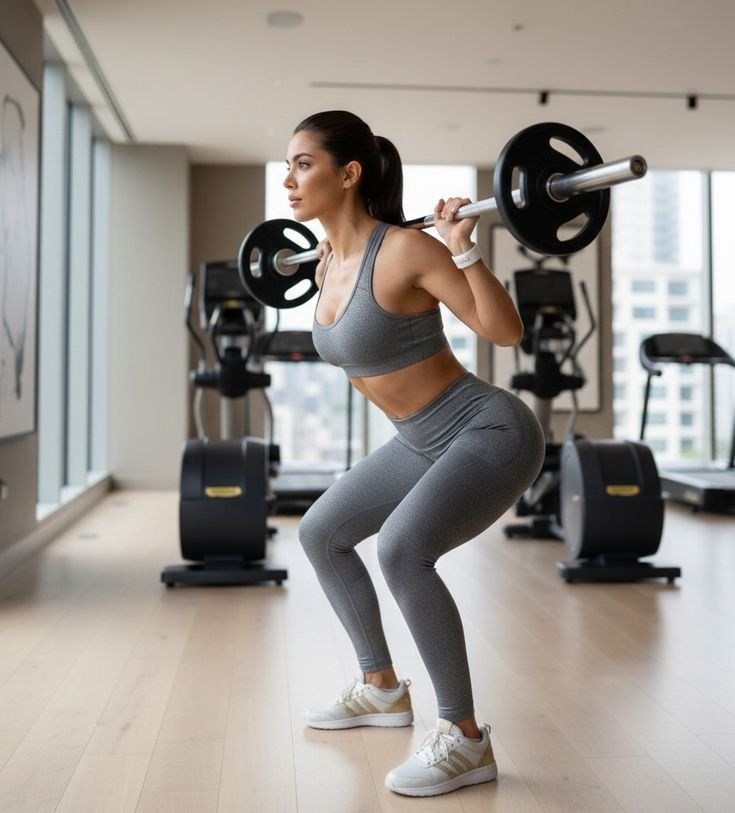
lesson three: form matters more than ego
One of the most difficult lessons to accept was that lifting heavier doesn’t always mean lifting better. Early on, I chased numbers. I wanted to increase my weights quickly, often at the cost of proper technique.
At the time, it felt like progress. But looking back, it was just a shortcut that led to problems.
Poor form doesn’t always show immediate consequences. It creeps in slowly. A slight misalignment here, a rushed repetition there. Over time, those small mistakes build into strain, inefficiency, and eventually injury.
I learned this during a period when I kept pushing heavier weights on compound movements without mastering the basics. The result was discomfort that forced me to step back—not just in weight, but in confidence.
Rebuilding from that point required humility. I had to lower the weights significantly and focus on controlled movements, proper alignment, and full range of motion. It felt like starting over, but it was necessary.
The surprising part was how much stronger I became afterward—not just physically, but in awareness.
practical shift that helped:
- Filming workouts occasionally to check form
- Slowing down repetitions
- Prioritizing control over weight
lesson four: nutrition is not optional
For a long time, I treated nutrition as something secondary. I thought as long as I was working out, I would see results regardless of what I ate.
That belief didn’t last.
Despite consistent training, my progress stalled. Strength gains were inconsistent, recovery felt slow, and my energy fluctuated throughout the day. I couldn’t understand why my effort wasn’t translating into visible results.
The answer was simple but difficult to accept: you can’t out-train poor nutrition.
Once I started paying attention to what I was eating—not in a restrictive way, but in a mindful way—everything changed. I noticed improvements in energy, recovery, and overall performance.
It wasn’t about following a strict diet. It was about balance. Enough protein to support muscle repair. Enough carbohydrates for energy. Enough fats for overall health. And most importantly, enough total calories to support my activity level.
practical shift that helped:
- Planning meals ahead instead of relying on convenience
- Staying hydrated consistently
- Focusing on whole, minimally processed foods
lesson five: mindset shapes everything
Out of all the lessons, this one took the longest to fully understand. Fitness is not just physical—it’s deeply mental.
There were days when I felt discouraged, comparing my progress to others or feeling like I wasn’t improving fast enough. There were moments when I questioned whether the effort was worth it.
What changed wasn’t my routine—it was my perspective.
I started focusing on internal progress instead of external validation. Instead of asking, “Do I look different?” I began asking, “Do I feel stronger? Do I have more energy? Am I more consistent than before?”
That shift made the process more rewarding. Progress became something I experienced, not just something I saw.
I also learned to be patient. Real change takes time—often more time than we expect. But when you stay consistent and trust the process, the results come.
practical shift that helped:
- Tracking progress beyond just appearance (strength, endurance, consistency)
- Reducing comparison with others
- Celebrating small wins
bringing it all together
These five lessons didn’t come all at once. They were learned over months and years, often through mistakes that felt frustrating at the time. But each one added a layer of understanding that made my approach to fitness more sustainable and effective.
Fitness is not about perfection. It’s about adaptation. It’s about learning what works for you and being willing to adjust when something doesn’t.
If there’s one overarching takeaway, it’s this: progress is not linear, and that’s okay. What matters is staying engaged in the process, even when it feels slow.
The hard way is often the most memorable teacher. And sometimes, those difficult lessons are exactly what we need to build something that lasts.
frequently asked questions
- how long does it take to see real fitness results
It depends on several factors like consistency, nutrition, and starting point. Some people notice changes in a few weeks, but meaningful and lasting results often take a few months. The key is to focus on habits rather than timelines. - is it okay to skip workouts occasionally
Yes, skipping a workout occasionally is completely fine. What matters is overall consistency over time. Missing one day won’t ruin progress, but giving up entirely might. - how do i stay motivated when progress feels slow
Motivation comes and goes. Instead of relying on it, build routines and habits. Tracking small improvements and setting realistic goals can help maintain momentum. - do i need supplements to see results
No, supplements are not necessary for most people. A balanced diet with sufficient nutrients is usually enough. Supplements can help in specific cases, but they should not replace proper nutrition. - what is the best type of workout for beginners
The best workout is one that you can stick to consistently. A mix of strength training, basic cardio, and flexibility exercises is a good starting point. Simplicity often works best in the beginning. - how important is rest in a fitness routine
Rest is extremely important. It allows the body to recover and grow stronger. Without proper rest, performance can decline and the risk of injury increases.
In the end, fitness is not just about reaching a goal—it’s about becoming someone who can maintain it. And that transformation doesn’t happen overnight. It happens through lessons, especially the hard ones.