

5 Personal Fitness Updates Wellness Lessons That Changed My Life
I used to think fitness was about extremes. Either you were “all in,” waking up before sunrise for intense workouts, or you were out, making excuses and promising to start “next Monday.” For years, I lived in that exhausting cycle—short bursts of motivation followed by longer stretches of burnout. What finally changed my life wasn’t a dramatic transformation or a viral workout routine. It was a series of small, personal fitness updates that reshaped how I think about wellness.
These weren’t quick fixes. They were slow realizations, sometimes uncomfortable, often humbling. Each lesson came from experience—trial and error, frustration, and eventually clarity. And over time, these shifts didn’t just improve my physical health; they transformed my mindset, my daily habits, and even how I define success.
Here are the five personal fitness updates that quietly, but permanently, changed my life.
rethinking consistency over intensity
For the longest time, I believed that if a workout didn’t leave me drenched in sweat and completely exhausted, it didn’t count. I chased intensity like it was the only path to progress. But that mindset led me straight into cycles of overtraining, soreness, and eventually quitting altogether.
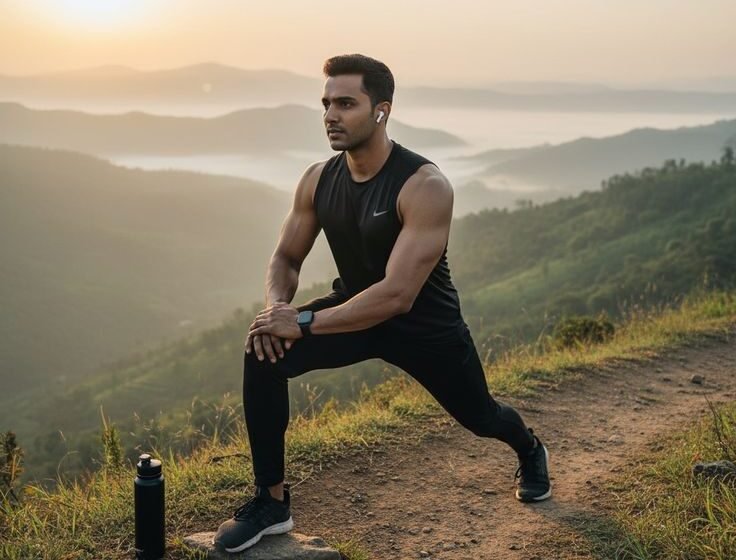
The turning point came during a particularly stressful phase in my life. I couldn’t keep up with intense workouts, so I started doing shorter, simpler routines—20 minutes of walking, light stretching, or basic bodyweight exercises. At first, it felt like I was doing less. But surprisingly, I started feeling better.
What I realized was simple but powerful: consistency beats intensity every time.
When you show up regularly—even in small ways—you build momentum. A 15-minute walk done daily is more effective than a two-hour workout done once a week. Consistency removes pressure. It turns fitness into a habit rather than a challenge.
I began tracking not how hard I worked, but how often I showed up. Slowly, my mindset shifted. Movement became part of my identity, not just an occasional effort. And ironically, once consistency was in place, intensity followed naturally—without forcing it.
learning to listen to my body
There was a time when I ignored every signal my body sent me. Pain? Push through it. Fatigue? Just laziness. Rest days? For people who weren’t serious enough.
This approach cost me more than I realized. I dealt with nagging injuries, constant tiredness, and a lack of real progress. I thought discipline meant ignoring discomfort, but I was wrong.
The real breakthrough came when I started paying attention.
I noticed how my body felt before, during, and after workouts. I began distinguishing between discomfort that builds strength and pain that signals harm. I allowed myself to rest without guilt.
Listening to your body doesn’t mean giving up easily. It means respecting limits and understanding that recovery is part of growth. When I started honoring rest days, my performance improved. When I adjusted workouts based on how I felt, I avoided injuries.
This lesson extended beyond fitness. It taught me awareness—how to tune into signals instead of ignoring them. It’s a skill that has helped me manage stress, sleep better, and maintain balance in other areas of life.
focusing on function, not just appearance
Like many people, my initial motivation for fitness was aesthetic. I wanted to look better, lose weight, and fit into a certain image. While there’s nothing wrong with wanting to improve appearance, it can become limiting if it’s the only goal.
The shift happened when I started focusing on what my body could do rather than how it looked.
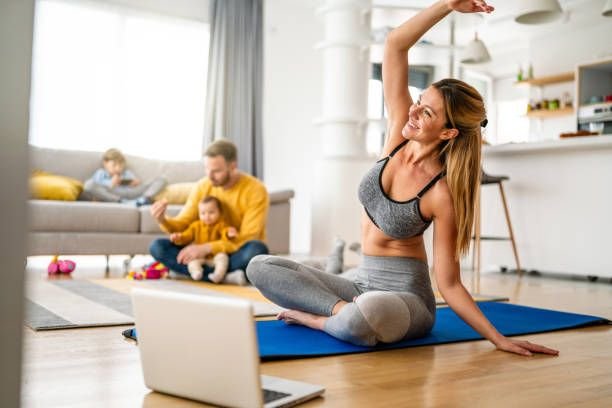
I remember the first time I noticed a difference—not in the mirror, but in my daily life. Carrying groceries felt easier. Climbing stairs didn’t leave me breathless. I had more energy throughout the day.
These functional improvements became more meaningful than any visual change.
When you focus on strength, mobility, endurance, and overall capability, fitness becomes empowering. You’re not chasing a standard—you’re building a body that supports your life.
This perspective also made the journey more enjoyable. Instead of feeling frustrated by slow visual progress, I celebrated small wins: lifting heavier weights, running a little longer, improving flexibility.
Over time, I realized something unexpected—the aesthetic results came anyway. But they were no longer the main goal; they were just a byproduct of consistent, functional training.
understanding that nutrition is not punishment
For years, I treated food as something to control strictly. I followed restrictive diets, cut out entire food groups, and felt guilty whenever I “slipped.” This approach created a negative relationship with eating.
The change began when I stopped viewing nutrition as a set of rules and started seeing it as fuel.
I learned that food is not the enemy. It’s information for your body. What you eat affects your energy, mood, recovery, and overall health. Instead of asking, “What should I avoid?” I started asking, “What helps me feel my best?”
This shift made everything more sustainable.
I included foods I enjoyed while still prioritizing balanced meals. I paid attention to how different foods affected my body. I stopped labeling foods as “good” or “bad” and focused on moderation.
One of the most freeing realizations was that perfection isn’t necessary. You don’t need to eat perfectly to be healthy. What matters is the overall pattern, not occasional indulgences.
This mindset reduced stress around food and made healthy eating feel natural rather than forced. It also reinforced the idea that wellness is about balance, not extremes.
embracing progress that isn’t visible
One of the hardest lessons to learn was that not all progress can be seen.
In the beginning, I relied heavily on visible results—weight loss, muscle definition, changes in appearance. When those changes slowed down or plateaued, I felt discouraged.
But over time, I started noticing other forms of progress.
I slept better. I felt more confident. My mood improved. I had more patience and clarity in my daily life. These changes didn’t show up in photos, but they were just as real—if not more important.
Fitness became less about transformation and more about improvement.
This shift helped me stay motivated during periods when visible progress stalled. It reminded me that the benefits of a healthy lifestyle go far beyond what you can measure.
It also changed how I defined success. Instead of chasing a final result, I began appreciating the process. Each workout, each healthy choice, each moment of discipline became a small victory.
reflection: how these lessons connect
Individually, each of these updates had an impact. But together, they created a complete shift in how I approach fitness and wellness.
Consistency replaced intensity. Awareness replaced ignorance. Function replaced appearance. Balance replaced restriction. Internal growth replaced external validation.
These lessons didn’t just improve my fitness—they reshaped my lifestyle.
What makes them powerful is their simplicity. They don’t require special equipment, expensive programs, or extreme discipline. They require a change in perspective.
And once that perspective shifts, everything else follows.
practical ways to apply these lessons
If there’s one thing I’ve learned, it’s that knowledge alone isn’t enough. You have to apply it in a way that fits your life.
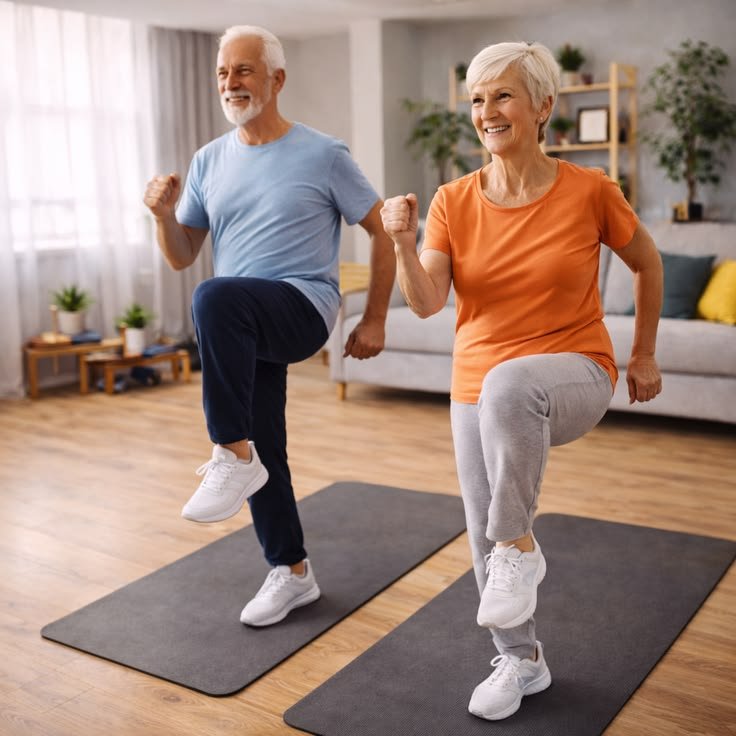
Start small. Choose one lesson and focus on it. Maybe it’s committing to 10 minutes of movement daily. Maybe it’s paying attention to how your body feels. Maybe it’s adding one balanced meal to your day.
Build gradually. Don’t try to change everything at once.
Track how you feel, not just what you do. Notice improvements in energy, mood, and overall well-being. These are powerful indicators of progress.
Be patient. Real change takes time. There will be setbacks, but they don’t define your journey.
Most importantly, be kind to yourself. Fitness is not a test you pass or fail. It’s a relationship you build with your body over time.
conclusion
Looking back, I realize that the biggest changes didn’t come from doing more—they came from thinking differently.
Fitness is no longer something I force myself to do. It’s something I choose because it enhances my life.
These five personal updates taught me that wellness isn’t about perfection or extremes. It’s about consistency, awareness, balance, and growth.
And perhaps the most important lesson of all is this: the journey doesn’t have a finish line. It evolves as you do.
Every day is an opportunity to learn, adjust, and improve—not just physically, but mentally and emotionally as well.
That’s what truly changed my life.
frequently asked questions
- how long does it take to see results from consistent fitness habits
Results vary for everyone, but most people begin to feel improvements in energy and mood within a few weeks. Visible changes may take longer, often several months, depending on consistency and lifestyle factors. - is it okay to skip workouts if i feel tired
Yes. Rest is an important part of fitness. If you’re genuinely tired or experiencing discomfort, taking a rest day can help your body recover and prevent injuries. - do i need a strict diet to stay fit
No. A balanced and sustainable approach to nutrition is more effective than strict dieting. Focus on whole foods, moderation, and consistency rather than perfection. - what is the best type of exercise for beginners
The best exercise is one you enjoy and can do consistently. Walking, bodyweight exercises, and light strength training are great starting points. - how do i stay motivated in the long term
Shift your focus from motivation to habit. Build routines that fit your lifestyle, and track progress beyond physical appearance, such as energy levels and mental well-being. - can small workouts really make a difference
Absolutely. Even short, consistent workouts can improve fitness over time. The key is regularity, not duration or intensity.