
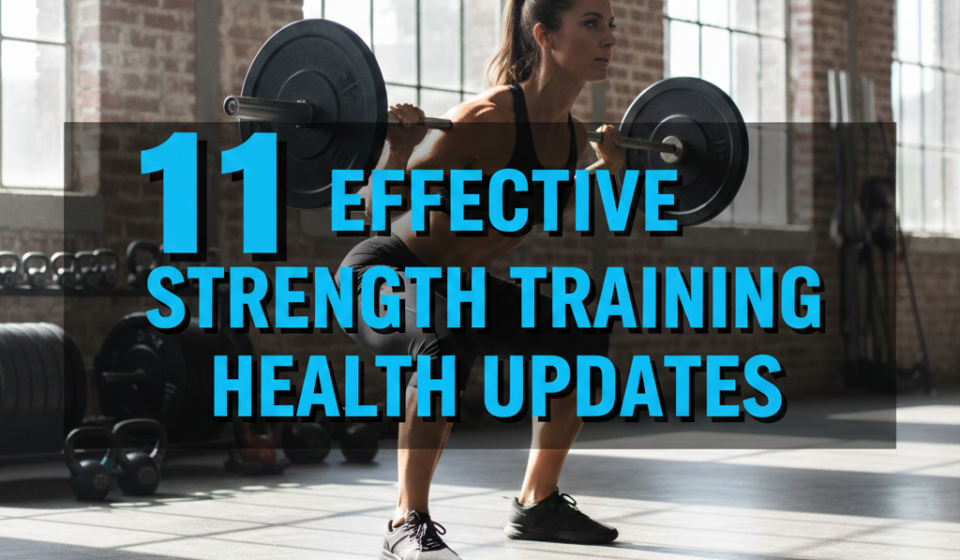

Strength Training Is More Important Than Ever
Strength training is not only about getting giant muscles or looking good on the beach. Recent studies reveal that simply lifting weights, using resistance bands or doing body-weight exercises can substantially alter your health in ways researchers are only beginning to understand.
If you’re an only cardio person in a world of variety, you have missed something gigantic. Strength training has advantages that running or cycling don’t deliver. From protecting your bones to zapping depression, the newest health news highlights just how valuable resistance training is for you.
Here are 11 incredible ways strength training affects your body and mind, backed by the latest research.
1. Builds Stronger Bones That Last a Lifetime
Your bones are not merely a set of static pillars propping you up. They are living tissue that continuously gets broken down and rebuilt. The problem? As you get older, your bones lose density faster than they can rebuild it.
And here’s the thing: resistance training promotes adaptation by pressuring your bones to respond to stress. As you lift weights, your bones respond by growing denser and stronger. This is especially significant for women, who lose bone density more rapidly after menopause.
According to new research, people who lift weights just two or more times a week have better bone density than those who don’t. That is to say: fewer fractures, less osteoporosis and more independence in your aging years.
Key Benefits for Bones:
- Increases bone mineral density by 1-3% per year
- Decreases risk of breaking a bone by as much as 40%
- Especially beneficial for spines and hip bones
- Works in all ages, even when you are in your 70s and 80s
2. Fires Up Your Metabolism For Hours Post Workout
Here’s something your treadmill can’t claim: Strength training continues to burn calories long after your workout is complete. This is due to a phenomenon called “excess post-exercise oxygen consumption” (EPOC), and it means your body is still working hard, even when you’re parked on the couch.
When you’ve done a workout with weights, your muscles need energy to repair themselves afterwards. This phase can take from 24 to 48 hours, an additional burn of calories the entire time. Cardio, on the other hand, only burns calories while you are actively moving.
And, each additional pound of muscle you build raises your resting metabolic rate. Muscle burns more calories than fat, even when you’re at rest.
Metabolic Advantages:
- Burns 50-200 additional calories per pound of muscle added to its frame each day
- EPOC continues for up to 48 hours after the workout
- 7-8% average increase in metabolic rate at rest
- Helps maintain weight loss long-term

3. Better For Your Heart Than You Might Assume
When it comes to heart health, most of us think in terms of strength work and cardio. New studies show that heavy lifting may also help with a healthy heart.
A landmark study discovered people who do strength training, even just one hour a week, have up to 70% lower risk of heart attack or stroke. That’s on par with the benefits of running or cycling but without the joint impact.
Strength training also enhances blood vessel function and lowers inflammation in the body. These changes defend your heart in a manner that’s additive to the traditional cardio variety. For more insights on how exercise impacts overall wellness, visit Fitness Updates for the latest health and fitness information.
4. Fights Type 2 Diabetes More Effectively
Your muscles are sugar-eating machines. When you increase muscle mass through strength training, your body becomes far more efficient at regulating blood sugar.
Recent health news reveals that resistance exercise is related to insulin sensitivity (your cells respond more effectively to the signals from insulin). This works to prevent type 2 diabetes and can even reverse pre-diabetes in a substantial number of people.
One study followed people with type 2 diabetes who began strength training three days a week. In as little as four months, their blood sugar control improved immensely; many were able to cut back on medications.
Diabetes Protection Stats:
| Benefit | Improvement Rate |
|---|---|
| Insulin Sensitivity | 23-48% increase |
| Blood Sugar Control | 15-25% better |
| Medication Reduction | Up to 50% of patients |
| Diabetes Risk | 34% lower overall |
5. Sharpens Your Brain and Memory
Strength training is not only physical — it’s mental exercise as well. Researchers have found that resistance training also enables blood flow to the brain and encourages new brain cell growth.
People who lift weights on a regular basis do better on memory tests, process information more quickly and have better focus. They show up within weeks of starting a program.
The brain-boosting effects have a number of contributors. Strength training actually releases growth factors, which are those magical little chemicals in the brain, that help prevent existing brain cells from dying prematurely while simultaneously promoting new neural connections. It also reduces inflammation that can destroy brain tissue.
Cognitive Improvements:
- Better working memory and recall
- Faster processing speed
- Improved executive function
- Reduced risk of dementia as you age
6. Reduces Chronic Pain Throughout Your Body
If you struggle with back pain, knee pain or arthritis, it may be your treatment. It takes pressure off painful areas, gives better support and a more useful outcome.
Specific strength exercises are also prescribed by physical therapists for chronic pain syndromes. These outcomes frequently exceed the gains of more conventional treatments, such as medication or passive types of therapy.
Lower back aches particularly seem to benefit from strength training. Build strength in core muscles that support your spine and stay pain free even if it’s been years since you’ve felt such freedom from discomfort.
7. Boosts Your Mood and Helps Fight Depression
Many people find the mental health benefits of strength training equal or surpass those of antidepressant medications. Lifting weights can reduce symptoms of depression, anxiety and stress, research shows.
Some of this effect is due to endorphins — feel-good chemicals that are released particularly during exercise. But strength training also offers a sense of achievement and control that can be particularly important for mental health.
Newer research found that people with depression who performed strength training added to their treatment had superior improvements over those who only took a medication or did therapy on its own.
Mental Health Impact:
- Reduces depression symptoms by 20-30%
- Lowers anxiety levels significantly
- Improves self-esteem and body image
- Enhances sleep quality
8. Strengthens Your Immune System
Your immune system receives a substantial boost when you strength train. Lifters get sick less often and get well faster when they catch something.
It also enhances the production of immune cells and antibodies. It also aids in circulation, so immune cells can flow through your body more readily.
Strength training in the gym also helped reduce severity and duration of colds during influenza season: Folks who pump iron had fewer missed work days and milder symptoms. This protection even holds true for more severe diseases: infected vaccinated individuals also have lower rates of infections and complications.
According to the Mayo Clinic, strength training offers numerous health benefits that extend well beyond building muscle mass.
9. Helps You Sleep Better at Night
Having a hard time falling asleep or staying asleep? You might try strength training. There are many studies that support the fact that better quality or more resistance exercise leads to better sleep.
Strength trainers fall asleep quicker, sleep deeper and wake up more refreshed. The results are so compelling that sleep specialists now consider the treatment as a first-line therapy for insomnia.
The sleep benefits arise from a number of mechanisms. Strength training exhausts your body physically, decreases production of stress hormones and normalizes your circadian rhythm. Many others begin to see benefits in the first two weeks.
Sleep Improvements:
| Sleep Metric | Average Improvement |
|---|---|
| Time to Fall Asleep | 15-20 minutes faster |
| Deep Sleep Duration | 20-30% increase |
| Sleep Quality Rating | 40-50% better |
| Night Wakings | 30-40% fewer |
10. Increases Your Lifespan and Healthy Years
Do you want to live longer and stay independent? One of the greatest longevity tools we have is strength training. Numerous studies suggest that routine resistance training leads to more years and a higher quality of life in one’s elderly years.
The people who keep the most muscle mass as they age remain mobile, live independently and avoid illness much longer. They have fewer falls, recover more quickly from illness, and are less likely to be admitted to nursing homes.
The latest evidence suggests that strength training is just as essential for older people as cardio. The secret is in maintaining muscle, which decreases roughly 3-8% per decade by natural causes after age 30 without intervention.
11. Builds Confidence That Will Change Your Life
On top of all the physical advantages, with strength training, you change how you see yourself. The confidence from watching yourself grow stronger and better able, spills over into every part of life.
Those who hit the weights say they feel more confident at work, in love and no matter what comes their way. The psychological boost is often worth more than any physical change.
Establishing goals and working to achieve them, while also understanding that this work leads to improvements in strength and self-confidence can be useful lessons on persistence and self-efficacy. These cognitive skills will transfer to other things you do.
How to Begin Your Strength Training Journey
You don’t have to sign up for a fancy gym membership, or buy expensive equipment to start. Push-ups, squats and planks will help you keep challenging your muscles. Resistance bands are less than $20 and provide hundreds of exercise choices.
Begin with two or three days a week focusing on large muscle groups. And each session should take 20 to 45 minutes. Allow yourself at least one rest day between workouts for recovery.
Beginner Guidelines:
- Start with bodyweight or a low weight
- Prioritize form over weight
- Complete 8-12 repetitions per exercise
- Do 2-3 sets of each exercise
- Graduate by adding more weight, or reps
Common Mistakes to Avoid
A lot of beginners make mistakes that hinder their progress or put them at increased risk of injury. Avoid these common pitfalls:
Overdoing it too soon: Your body needs time to acclimatize. Begin slow and build up.
Skimping on rest days: Muscles don’t grow in the gym; they grow while you’re recovering from a workout. Rest is just as important as working out.
Bad form: Bad technique will lead to bad results (and likely injury). Form is key, so start slow with little to no weight.
Neglecting to train all your favorite body parts: Balance is important. Work all of the major muscle groups for best results and to avoid injury.
Creating a Sustainable Routine
The best strength training program is one you enjoy and will keep going even after those initial gains stop. Consistency matters more than perfection. Even 20 minutes twice a week is enough if you stick with it over time.
Find activities you enjoy. If barbells make you uncomfortable, attempt resistance bands, kettlebells or bodyweight circuits. If you’re intimidated by gyms, exercise at home with online videos.
Keep tabs on your progress to keep you motivated. Record the exercises you do, how much weight you lift and how many reps you do. The fact that you can see progress over weeks and months keeps you interested.

Frequently Asked Questions
How much strength training should I do?
Two or three times a week is ideal for most people. That frequency works great and you’ll have plenty of time for recovery in between.
Is lifting weights going to make me bulky?
No, especially not for women. Developing large muscles takes time, specific training and nutrition and often, years of hard work. Regular, conventional strength training provides a lean, toned look.
Is it safe for older adults to do strength training?
Absolutely! Lifting weights is even more important for older adults. The studies show that people in their 70s, 80s and even into the 90s can build muscle and strength after they have been directed to do so.
How long does it take to see results?
Most people feel stronger within 2-3 weeks. You can see the visible difference generally after 6-8 weeks of training.
Do I need protein supplements?
Not necessarily. Most people get more than enough protein from normal food. But supplements come in handy to meet extra protein needs if you like them.
What if I have joint issues or chronic pain?
These conditions can often benefit from strength training, but proceed with care. Consult with a physical therapist or certified trainer to find the proper modifications for your situation.
The Bottom Line About Strength Training Health Updates
The science is clear: strength training has unique health benefits that no other mode of exercise can provide. Stronger bones, a sharper brain and better sleep, all thanks to resistance exercise.
You don’t need to be a bodybuilder or slave away at the gym. Just two or three brief visits a week can lead to life-changing outcomes. The secret is to start now and keep at it.
Every rep you do today, is a thank you from the future tomorrow. Whether you are 25 or 75, it’s never too early or too late to start strength training. The health reports continue to improve — and so will you.
Take action today. Start with some easy exercises at home. Your bones, muscle, brain and heart (and the rest of your body) will respond with enhancements that improve all areas of your life.